See our current specials →

Why Drain Clogs Happen More Often in Colorado Homes and How to Fix Them
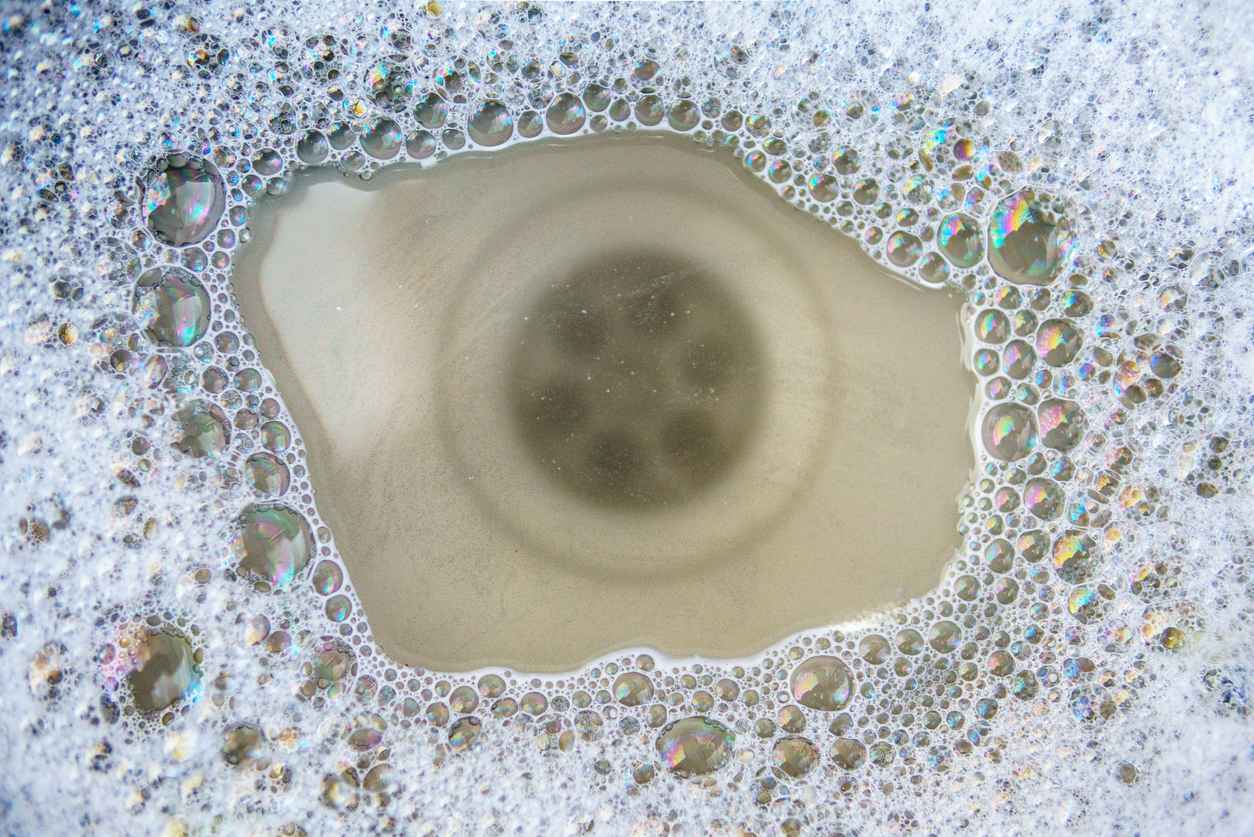
Maintaining a smooth-running home in Colorado Springs or Pueblo often feels like a constant battle against the elements. You might find yourself reaching for the plunger more often than you would like, wondering why your kitchen sink or bathtub backs up every few months despite your best efforts to be careful. In the Front Range, plumbing issues are rarely just about what you put down the drain; they are often a result of our unique geography, mineral-heavy water, and extreme temperature swings.
In this guide, WireNut Home Services breaks down the environmental and structural factors that make Colorado drains particularly prone to clogs and provides a clear guide on how to fix them for good. Understanding the “why” behind your plumbing frustrations helps you move past temporary fixes and invest in solutions that protect your home’s infrastructure in the long term.
Situational Breakdown: Surface Clog vs. Systemic Failure
When you encounter standing water in a fixture, the first instinct is often to assume a simple hair or food blockage. However, it is vital to distinguish between a minor “surface” clog and a systemic failure within your main sewer line. Treating a deep-seated structural issue with a simple hand snake is like putting a bandage on a broken bone; it might hide the problem for a day, but the underlying damage will only worsen.
When Service is Needed
If you experience any of the following, your plumbing system is likely facing an issue that requires a professional diagnosis:
- Multiple Slow Drains: If the toilets, sinks, and tubs throughout your home are all draining slowly at the same time, the blockage is located in your main sewer line, not an individual pipe.
- Gurgling Sounds in the Walls: If you hear bubbling or gurgling sounds coming from one drain when you use a different fixture, air is being trapped by a significant obstruction deep in your system.
- Recurring Kitchen Backups: If your kitchen sink clogs every few weeks, even after you clean the P-trap, you likely have a “soft clog” of grease and scale that a standard snake cannot fully clear.
- Sewer Odors: Persistent sewage smells near your drains or in your basement are a major red flag for a cracked line or a full backup that requires immediate attention.
When It’s Not a Major Repair
A professional visit might not be necessary if the problem is localized:
- The Single-Fixture Clog: If only one shower is slow and the rest of the house is fine, it is almost certainly a localized clump of hair or soap scum.
- Visible Obstructions: If you can see a toy or a large food scrap sitting in the drain entrance, a pair of needle-nose pliers or a plastic zip tool can often resolve the issue in seconds.
The Science of the “Rockies”: Hard Water and Heavy Minerals
The primary reason Colorado homeowners face frequent clogs is the very water that flows from our mountains. The water in the Colorado Springs and Pueblo areas is notoriously “hard,” meaning it contains high levels of dissolved minerals such as calcium and magnesium. As this water travels through your pipes, these minerals solidify and cling to the inner walls, creating a chalky, white substance known as limescale.
Over time, this limescale acts like “internal plumbing plaque,” narrowing the diameter of your pipes. This restricted space makes it significantly easier for even small amounts of hair or food to snag and create a total blockage. Furthermore, hard water minerals react chemically with soap, forming “soap scum,” a sticky, grey residue that coats your pipes and acts like glue for other debris. In older Colorado homes with galvanized steel pipes, this mineral buildup can eventually lead to internal corrosion, making the pipe walls rougher and more prone to clogging.
DIY Snaking vs. Professional Hydro Jetting
When a clog refuses to budge, homeowners often have to choose between a quick DIY fix and a more comprehensive professional cleaning. Understanding the trade-offs between cost and effectiveness is essential to the health of your plumbing.
DIY Mechanical Snaking
Using a hand-cranked snake or a chemical drain cleaner is the most common DIY approach.
- The Pros: It is inexpensive, with most tools costing under $30.
- The Cons: A snake only pokes a hole through the center of a clog; it does not clean the pipe walls. Chemical cleaners are even riskier, as their corrosive ingredients can actually eat through older metal pipes or damage the seals in your plumbing fixtures.
Professional Hydro Jetting
Hydro jetting uses specialized equipment to blast high-pressure water through your lines, scouring the pipe walls clean.
- The Process: A technician uses a multi-directional nozzle to remove years of grease, hair, and hard water minerals.
- The Cost: While more expensive than a snake, typically ranging from $400 to $900, it is a long-term solution. By removing the “plaque” that causes clogs to return, hydro jetting can prevent the need for multiple service calls in a single year.
- The Benefit: It is safe for almost all pipe types and is the only method that restores your pipes to nearly their original internal diameter.
The Hidden Impact of Freeze-Thaw Cycles
In Colorado, our plumbing doesn’t just deal with minerals; it deals with an environment that is constantly shifting. Our dramatic freeze-thaw cycles cause the soil around your home to expand and contract. This movement can put immense pressure on your underground sewer lines, leading to “offsets” where two sections of pipe become misaligned. These offsets create a “lip” inside the pipe that catches toilet paper and solid waste, leading to repeated clogs that no amount of cleaning can permanently solve.
If these clogs are ignored, the risk of a catastrophic pipe burst increases. During a sudden deep freeze, a partially clogged pipe is much more likely to freeze solid because the water cannot move freely. When water turns to ice, it expands with enough force to split copper, PVC, and even cast iron. Furthermore, during our rapid spring snowmelt, an obstructed line can trigger a massive “backflow” event, pushing melting snow and wastewater back into your basement, causing thousands of dollars in water damage and a significant health hazard for your family.
Next Step: Getting a “Diagnostic-First” Evaluation
The most expensive way to fix a drain is to guess what is wrong. Before any cleaning or repair begins, we believe in a “diagnostic-first” approach. This starts with a high-definition sewer camera inspection. By seeing inside your pipes in real time, we can determine whether the problem is a simple mineral buildup, a tree root intrusion, or a structural pipe failure. This saves you money by ensuring that we only recommend the specific service your home actually needs.
Maintaining a Free-Flowing Home
Living in Colorado means accepting that your plumbing has to work harder than in other parts of the country. Between the hard water minerals and the shifting soil of the Front Range, staying ahead of clogs is a necessity rather than a luxury. By moving away from temporary DIY fixes and embracing professional diagnostics and hydro jetting, you can protect your home from the stress of recurring backups and the high cost of emergency repairs.
If your drains are moving more slowly than usual or you are tired of the “clog-and-clear” cycle, contact WireNut Home Services today to schedule a professional camera inspection and drain cleaning.
Colorado Drain Clog FAQ
Does Colorado’s dry air affect how my drains work?
Interestingly, yes. In very dry climates, the water in P-traps, the curved pipes under your sinks, can evaporate more quickly. When the trap dries out, sewer gases can enter your home, often smelling like a clog even if the pipe is clear.
Why does my kitchen sink smell like rotten eggs during a cold snap?
This is often a sign of a blocked vent stack on your roof. If snow or ice covers the vent, sewer gases cannot escape upward and are instead forced back through your drains.
Is it safe to use “flushable” wipes in a newer Colorado home?
No. Despite the labels, these wipes do not break down like toilet paper. In our hard-water environment, they frequently snag on mineral deposits, creating massive “fatbergs” in your sewer line.
Can tree roots really find my sewer line in this dry climate?
Absolutely. Trees in Colorado are experts at finding moisture. If your sewer line has even a tiny crack caused by shifting soil, roots will enter and grow rapidly, eventually filling the entire pipe.
How often should I have my drains professionally cleaned in Colorado Springs?
For most homes, a professional hydro jetting every 2 to 3 years is sufficient to keep hard water minerals and grease from becoming a problem. Homes with older pipes or large trees may require annual inspections.