Serving Colorado Springs & Surrounding Areas

What Causes Slab Leaks in Colorado and How Professionals Detect Them
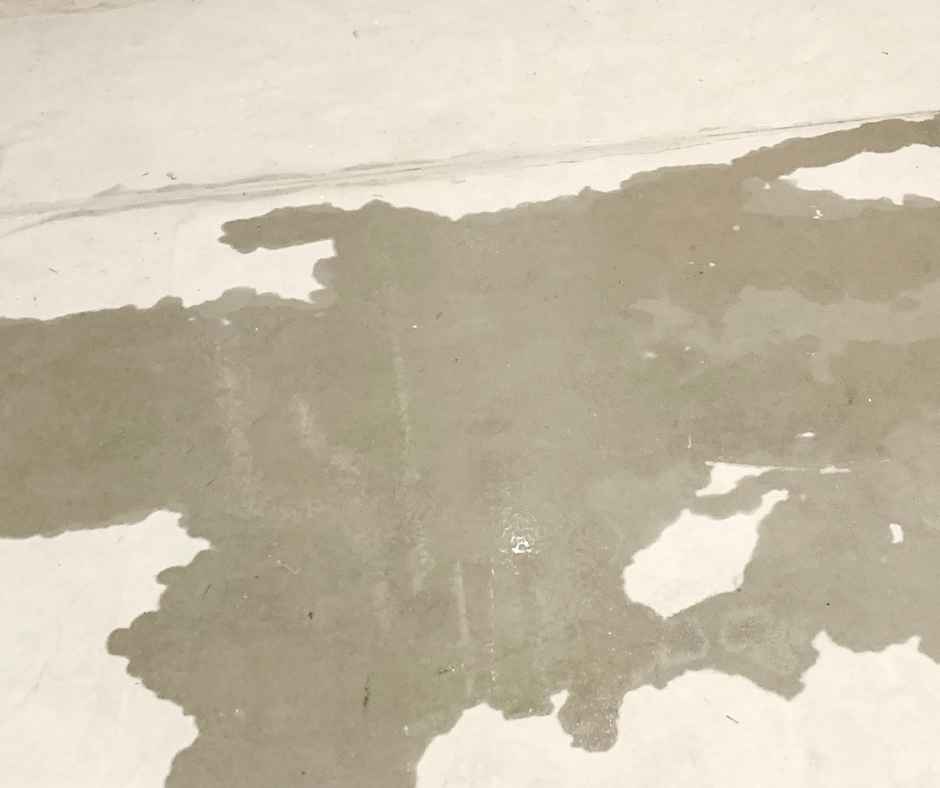
For homeowners along the Front Range, the ground beneath your feet is surprisingly restless. Colorado is known for its majestic peaks, but the specific composition of our soil creates unique challenges for residential plumbing. When a water line fails underneath your concrete foundation, it is known as a slab leak, and it is one of the most stealthy threats to your property’s structural integrity. Because these leaks are buried beneath inches of reinforced concrete and dense earth, they can go undetected for months, quietly eroding the very ground your home stands on.
In this guide, we will discuss the environmental factors that trigger these failures and the advanced technology professionals use to pinpoint the problem without unnecessary demolition.
Expansive Soils: The Silent Mover of Foundations
In the geological community, Colorado is known for its “bentonite” clay, a highly expansive soil that absorbs moisture like a sponge. This clay contains a mineral called montmorillonite, which has a remarkable ability to absorb water and expand by up to 20% in volume. When the soil under your home becomes saturated from spring snowmelt or heavy rainfall, it can exert a staggering thirty thousand pounds of pressure per square foot against your concrete slab. This force is often enough to lift entire sections of a home, a phenomenon known as “heaving.”
The risk to your plumbing stems from differential ground movement. While the concrete slab is rigid, the soil underneath may expand unevenly, causing the foundation to tilt or buckle. Because your water and sewer lines are often encased within or buried directly beneath this concrete, they are forced to move along with the slab. This mechanical stress can cause copper pipes to kink, plastic pipes to shear, and joints to pull apart. The relationship between Colorado’s volatile soil and your plumbing is a cycle of damage that often remains hidden until the water finally finds a path to the surface.
- Bentonite Clay: This specific soil type is prevalent across the Front Range and is the leading cause of foundation instability in the state.
- Hydrostatic Pressure: The force of water-soaked soil can crack reinforced concrete, putting direct physical stress on buried pipes.
- Soil Contraction: During our dry summer months, the clay shrinks and pulls away from the foundation, leaving pipes unsupported and prone to sagging.
- Shearing Forces: When one part of the slab moves while another stays still, it creates a “guillotine” effect that can snap plumbing lines.
- Erosion Voids: Once a leak begins, water can wash away surrounding soil, creating voids that lead to further foundation settlement.
Understanding the region’s unique geology is essential for any homeowner. Colorado’s soil hazards cause more property damage annually than floods, earthquakes, and tornadoes combined. If your home was built on a “slab-on-grade” foundation without specialized soil mitigation, your plumbing is at a higher risk for structural failure. By recognizing that the ground beneath you is constantly in motion, you can better appreciate the importance of monitoring for the subtle signs of a slab leak in Colorado before the shifting soil leads to a catastrophic break.
Temperature Swings and Thermal Expansion
Colorado is known for its dramatic and rapid temperature fluctuations, sometimes swinging fifty degrees or more in a single day. While we often think of this weather in terms of what jacket to wear, these shifts have a profound impact on the materials buried beneath your home. According to the laws of physics, materials expand when they are heated and contract when they are cooled. Your plumbing lines, especially those made of copper, are constantly growing and shrinking as they carry water of varying temperatures through the cold ground. Over years of seasonal cycles, this repeated movement leads to a condition known as “thermal fatigue,” which weakens the structural integrity of the pipe wall.
The danger is particularly acute where the pipes are in direct contact with the concrete slab or nearby rebar. As the pipe expands, it rubs against the concrete’s abrasive surface. In many older Colorado homes, pipes were installed without protective sleeving, meaning there is no “buffer” to absorb this movement. This constant friction acts like sandpaper, slowly wearing away the metal until a pinhole leak develops. Because hot water lines undergo more significant temperature changes than cold lines, they are often the first to fail under these conditions.
- Friction and Abrasion: Pipes encased in concrete without proper insulation will eventually wear through due to thermal expansion and contraction.
- Joint Stress: The expansion and contraction of the pipe put immense pressure on soldered joints and fittings, which are the weakest points of the system.
- Thermal Shock: Rapid changes in water temperature can cause pipes to expand too quickly, leading to cracks in brittle or aging materials.
- Seasonal Fatigue: The transition from the deep freeze of a Colorado winter to the heat of a high-altitude summer creates a year-round cycle of stress.
- Hot Water Vulnerability: Hot water lines are statistically more likely to develop slab leaks because of the higher frequency of expansion cycles.
When a pipe is stressed by thermal expansion, it often develops a tiny “pinhole” leak rather than a clean break. These small leaks are more dangerous because they can persist for months without detection, slowly saturating the soil and leading to the foundation issues we discussed earlier. At WireNut Home Services, we understand the physics of Colorado plumbing. We check for signs of thermal stress during our inspections and can recommend solutions like pressure-reducing valves or thermal expansion tanks to mitigate these forces. By addressing the “why” behind the leak, we help ensure that your next repair is your last.
Corrosion and Electrolysis in Local Plumbing
While physical stress and shifting soil are common culprits, chemical reactions beneath your home can be just as destructive. In many parts of Colorado, the soil has high mineral content and varying pH levels that can be corrosive to metal pipes. When copper piping is buried in soil that is particularly acidic or has a high concentration of sulfates, a process known as soil-side corrosion begins. This chemical attack erodes the pipe’s exterior, eventually creating small pits that penetrate the tubing wall. This is a common cause of slab leaks in Colorado homes built in the mid-to-late 20th century.
Another silent threat is electrolysis, also known as galvanic corrosion. This occurs when two different metals come into contact with an electrolyte, such as damp soil. In many Colorado foundations, copper pipes may inadvertently touch steel rebar or galvanized fittings. A small electrical current flows between the metals, causing the “weaker” metal to deteriorate at an accelerated rate. Because the soil under a slab is often perpetually damp due to the high water table in certain Front Range neighborhoods, the conditions for electrolysis are almost always present.
- Pitting Corrosion: Specific chemical reactions in the soil create localized “craters” in the pipe wall that eventually become leaks.
- Dissimilar Metals: When copper touches steel rebar or iron pipes, a battery-like reaction occurs that dissolves the copper.
- High Mineral Content: Colorado’s hard water can also cause internal scaling, which can trap debris and lead to “turbulence” corrosion inside the pipe.
- Flux and Solder Degradation: Residual flux from the original construction can remain active for years, corroding the joints from the inside out.
- Grounding Issues: If your home’s electrical system is grounded to the water lines, stray currents can accelerate electrolysis.
These chemical failures are especially frustrating because they often occur in multiple locations simultaneously. If one section of your underground piping is corroding due to the soil chemistry, it is highly likely that the rest of the system is in a similar state of decline. At WireNut Home Services, we don’t just patch the hole; we evaluate the condition of the surrounding pipe to determine if the leak is an isolated incident or a symptom of systemic corrosion. This thorough approach is the only way to prevent a cycle of “patch and repeat” repairs that can drain your bank account and damage your foundation.
High-Tech Solutions: How Professionals Find the Source
In the past, locating a leak under a concrete foundation required significant guesswork and often involved jackhammering several sections of the floor just to find the breach. Today, advanced slab leak detection technology enables professionals to pinpoint a leak’s exact location with precision, often within a few inches of the break. This non-invasive approach is essential for preserving your home’s interior and preventing unnecessary structural damage. At WireNut Home Services, we utilize a combination of acoustic, thermal, and electronic tools to “see” through your foundation before we ever pick up a tool.
The process typically begins with a pressure test to confirm a leak and identify the affected line. Once we have narrowed the problem down to a single pipe, we use electronic acoustic equipment to “listen” for the leak. When water escapes from a pressurized pipe, it produces a distinct frequency that travels through concrete and soil. Our sensitive ground microphones amplify these sounds, allowing our technicians to follow the noise until it reaches its highest intensity. This method is highly effective for metal pipes, which transmit sound over long distances.
- Acoustic Listening Devices: Specialized microphones that filter out background noise to focus on the specific hiss or “whoosh” of escaping water.
- Infrared Thermal Imaging: These cameras detect subtle temperature variations on your floor surface, identifying “hot spots” caused by leaking hot-water lines.
- Tracer Gas Detection: For tiny or deep leaks that don’t produce enough sound, we can inject a non-toxic tracer gas into the system and use a “sniffer” probe to find where it escapes the slab.
- Electromagnetic Pipe Locators: These tools allow us to map the exact path of your underground plumbing, ensuring we know the layout before we begin our precision search.
- Digital Pressure Gauges: We monitor real-time pressure drops to verify leak severity and confirm the repair was successful upon completion.
For plastic pipes, which do not conduct sound as well as copper, we often rely on tracer gas or thermal imaging to bridge the gap. Thermal imaging is particularly helpful in Colorado’s colder months, as the stark contrast between the cold ground and a leaking hot water line is easy to identify on a digital screen. By combining these different technologies, we eliminate the “search and destroy” method of the past. Our goal is to provide a definitive diagnosis that enables targeted repair, saving you time, money, and the hassle of a torn-up home.
Common Signs Every Colorado Homeowner Should Know
Because Colorado’s semi-arid climate causes surface moisture to evaporate quickly, a slab leak can often hide in plain sight for much longer than it would in a more humid environment. The dry air may mask the smell of mildew, but it cannot hide the physical and financial toll that a pressurized water leak takes on your property. For many homeowners along the Front Range, the first indication of a problem is not a puddle, but a subtle change in the “feel” of their home. If you notice that certain doors are suddenly sticking in their frames or that your water bill has jumped by twenty percent without a change in your habits, your foundation may be trying to tell you something.
Identifying these red flags early is the only way to minimize the need for extensive foundation repair. A leak that runs for months will eventually saturate the bentonite clay we discussed earlier, leading to significant structural movement. By closely reviewing your utility statements and performing a simple visual inspection of your flooring and walls once a month, you can catch a leak in its early stages.
- Hot or Warm Flooring: If you notice a localized warm spot on your tile or laminate floor, it is almost certainly a leaking hot-water line radiating heat through the slab.
- The Sound of Rushing Water: In a quiet house, listen for a faint hissing or humming sound coming from the floor, even when all faucets are tightly closed.
- Spinning Water Meter: Turn off every water fixture in your home and check your meter. If the small “leak indicator” triangle is spinning, water is escaping somewhere in your system.
- New Drywall Cracks: Watch for diagonal cracks appearing above doors and windows, which indicate that the foundation is shifting due to soil saturation.
- Musty Baseboards: Water wicking up from the slab often causes baseboards to swell, discolor, or develop a faint “locker room” odor.
If you experience even one of these symptoms, it is vital to act quickly. A minor pinhole leak can waste more than 10,000 gallons of water in a single month, resulting in a utility bill that exceeds the cost of a professional inspection. At WireNut Home Services, we encourage homeowners to trust their intuition. If your home feels “off” or you notice a sudden change in water pressure, do not wait for a sinkhole to form in your yard. Early slab leak detection is the most effective tool you have for preserving your home’s value and structural safety in the volatile Colorado landscape.
Protecting Your Colorado Home with WireNut
A slab leak is more than just a plumbing failure: it is a threat to the very foundation of your life. In Colorado, where the soil is always moving and the temperatures are always swinging, your home’s infrastructure is under constant pressure. We believe that every homeowner deserves the peace of mind that comes with a solid foundation and a reliable plumbing system. By combining local geological expertise with the latest in non-invasive technology, we provide the definitive answers you need to protect your investment.
Our team at WireNut Home Services is proud to be the trusted choice for families across the Front Range. We don’t just find leaks; we provide comprehensive solutions that address the root causes. Whether you need a precision repair or a strategic repipe to bypass a failing line, we bring the skill and transparency required to get the job done right. Contact us today to schedule your professional inspection and ensure your Colorado home stays on solid ground for years to come.
Frequently Asked Questions
Does homeowners’ insurance cover a slab leak in Colorado?
Most standard policies in Colorado cover the “tear out” and “put back” costs required to access the leak, as well as the damage caused to your flooring and walls. However, the pipe repair itself is typically considered a maintenance item and may not be covered. We recommend reviewing your specific policy with your agent.
How long does it take to find and fix a slab leak?
With modern electronic equipment, we can typically locate the source of a leak within an hour or two. The actual repair can range from a single day for a localized “spot repair” to two or three days if we need to reroute a new line through your walls to avoid breaking more concrete.
Will a slab leak eventually stop on its own?
No. Because the water lines under your home are under constant pressure, a leak will only grow larger over time. Escaping water will continue to erode the soil and expand the clay, causing progressively worse foundation damage until the line is properly repaired.
Is it better to patch the pipe or reroute it?
If your older copper pipes are showing signs of systemic corrosion, rerouting is often the smarter long-term choice. Rerouting involves running a new line through your attic or walls, which completely bypasses the problematic area under the slab and prevents future leaks in that same run.
Can I use liquid drain cleaners to fix a leak in my sewer line slab?
Absolutely not. Liquid drain cleaners contain harsh chemicals that can actually accelerate the corrosion of your metal pipes and will do nothing to seal a leak. If you suspect a sewer line slab leak, a professional camera inspection and specialized repair techniques are required.