See our current specials →

The True Cost of AC Neglect: Why Early Maintenance Saves Thousands on High-Altitude HVAC Systems
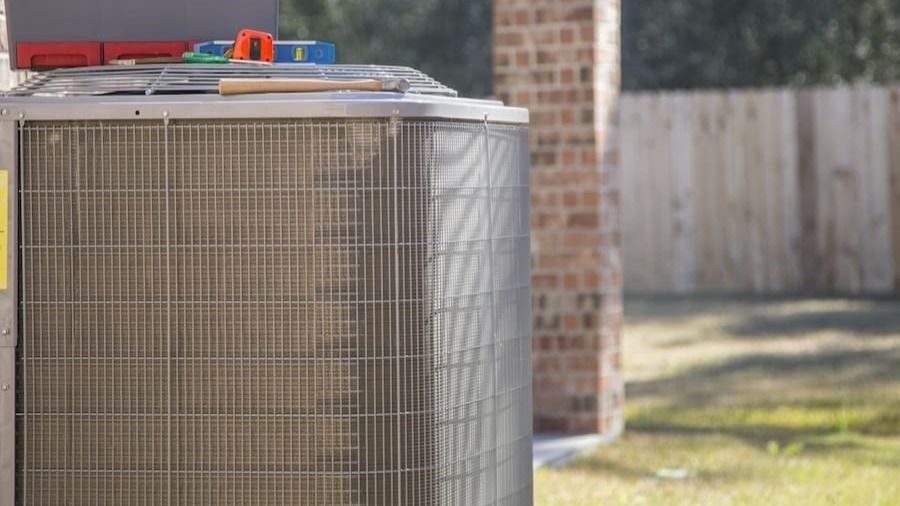
Early AC maintenance helps high-altitude HVAC systems run more efficiently, catch airflow and refrigerant issues sooner, and reduce the risk of expensive breakdowns during peak summer demand. Installation and performance problems are common in residential HVAC systems, and poor airflow or charge issues can significantly increase energy use if left unaddressed.
When summer heat hits the Front Range, homeowners usually notice AC problems at the worst possible time: during the first long stretch of hot weather, when the system is already working overtime. Up here, elevation adds another layer of stress. Colorado Springs sits at high altitude, with Pikes Peak rising to 14,115 feet and the Pikes Peak Highway gateway beginning around 7,400 feet west of the city. In a region defined by elevation, HVAC performance, airflow, and system tuning matter even more than many homeowners realize.
The trouble is that AC neglect rarely looks expensive at first. It starts with a dirty filter, weak airflow, longer run times, or a unit that seems a little less consistent than last year. Then utility bills rise, parts wear out faster, comfort drops, and a minor repair turns into a major mid-season expense.
In this guide, you will learn why early AC maintenance matters so much for high-altitude systems, what neglect actually costs homeowners over time, and which warning signs should never be ignored before summer demand peaks.
Why Does AC Maintenance Matter More in High-Altitude Areas?
At higher elevations, HVAC systems depend on proper airflow, correct setup, and accurate charge to deliver the comfort homeowners expect. ENERGY STAR notes that airflow and refrigerant charge are both heavily affected by installation conditions and system setup, and that suboptimal HVAC performance is common in residential systems.
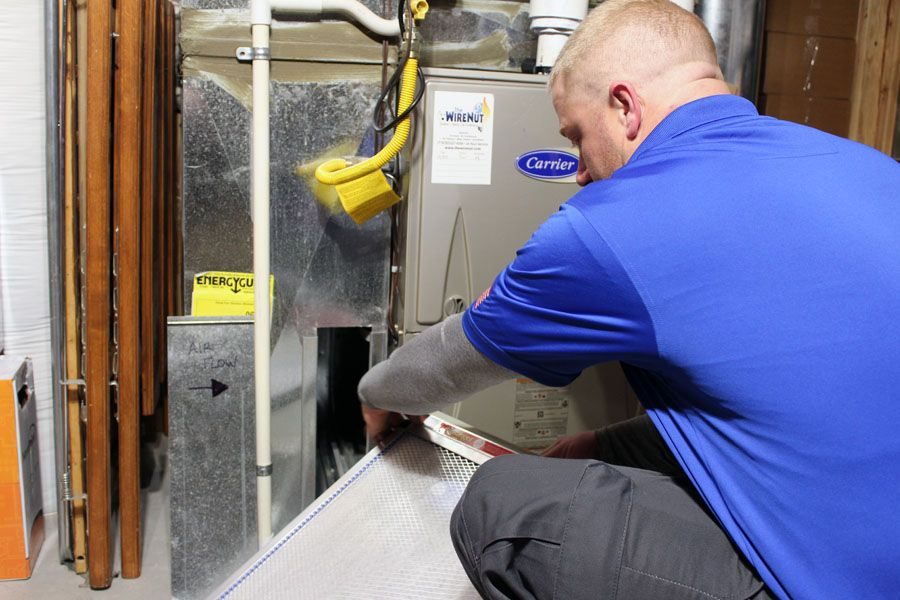
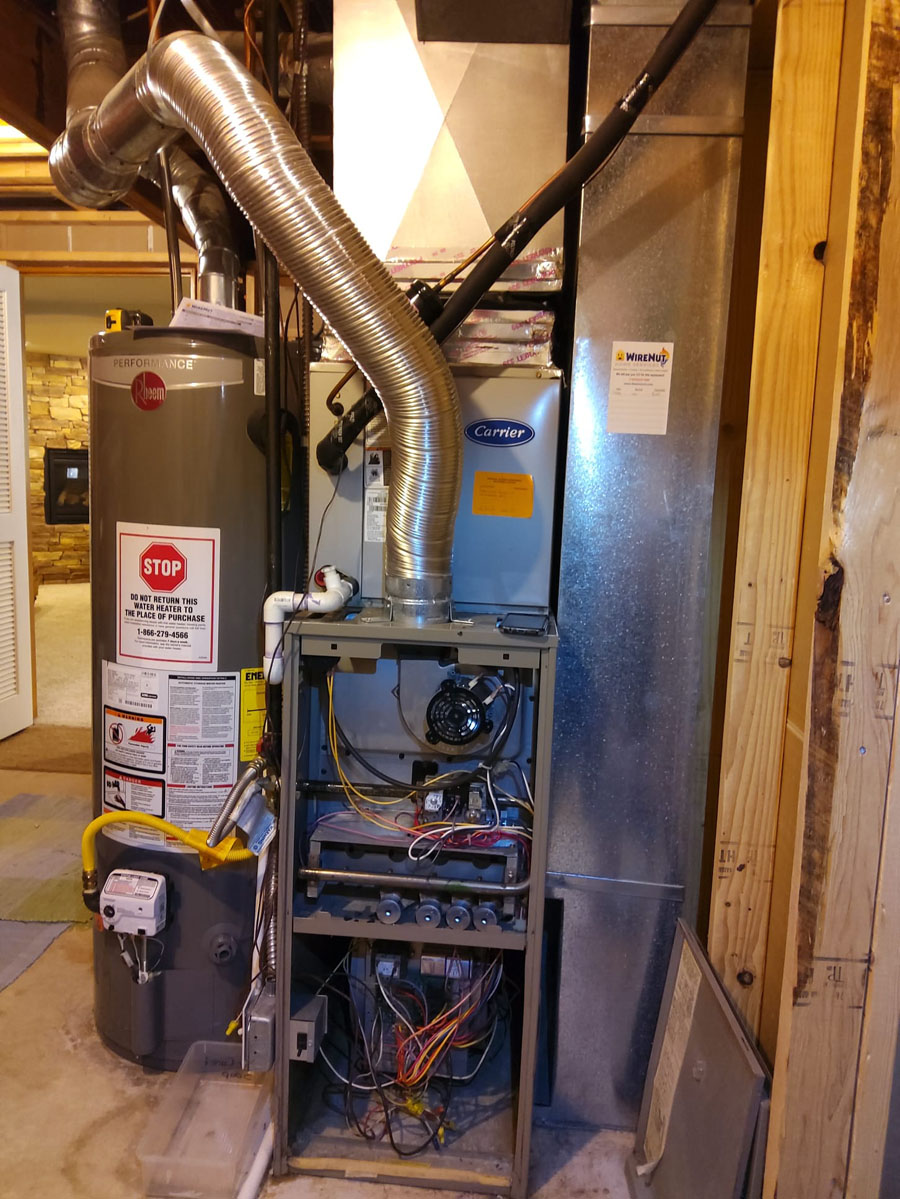
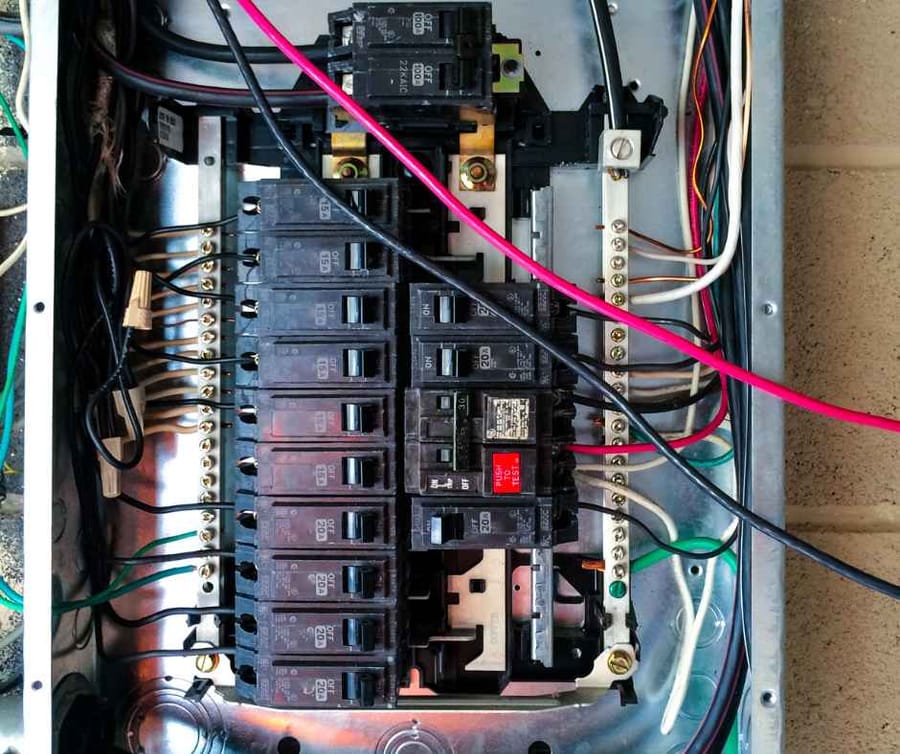
That matters because when a system is already slightly off, neglect gives the problem more time to grow. A clogged filter, a dirty coil, a weak capacitor, a loose electrical connection, or airflow restriction can all make the equipment work harder than it should. Over time, that means more wear, less efficiency, and more money spent.
What Does AC Neglect Usually Look Like?
Most homeowners do not think of AC neglect as doing nothing for years. More often, it looks like postponing routine service because the system still turns on.
Common examples include:
-
Skipping seasonal tune-ups
-
Forgetting to replace air filters
-
Ignoring weak airflow
-
Waiting on minor repairs
-
Letting the outdoor unit collect debris
-
Overlooking thermostat problems
-
Dismissing unusual noises or odors
None of those issues may feel urgent on their own. Together, they create the conditions for bigger repairs and higher operating costs.
How Can Small Maintenance Problems Turn Into Expensive Repairs?
The highest cost of neglect is that HVAC systems usually give warning signs before they fail.
A dirty filter can reduce airflow. Restricted airflow can increase strain on components. Dirty coils can reduce heat transfer. A system that runs longer to meet temperature demand may wear out motors, capacitors, and compressors faster. ENERGY STAR materials also note that airflow defects and charge issues can substantially increase energy consumption.
That means a low-cost maintenance issue can eventually lead to:
-
Higher monthly cooling bills
-
Shortened equipment life
-
More frequent repair calls
-
Reduced comfort in hot weather
-
Emergency breakdowns during peak demand
What Are the Hidden Costs of Waiting Too Long?
Homeowners often compare the cost of maintenance to the cost of doing nothing. That is the wrong comparison.
The real comparison is maintenance now versus repair, energy waste, and potential replacement costs later.
Hidden costs of AC neglect often include:
Higher Energy Bills
When airflow is restricted or the system is not operating efficiently, it uses more energy to produce the same result. If the unit runs longer and struggles to keep up, homeowners often pay more each month for worse comfort. ENERGY STAR cites research showing that suboptimal residential HVAC performance can increase energy consumption by 20% to 30%.
More Frequent Repairs
Small wear issues rarely stay small forever. A neglected system is more likely to experience component failures during the hottest part of the year, when demand is highest and breakdowns are most disruptive.
Shorter Equipment Lifespan
An air conditioner that runs under strain season after season may not last as long as one that is cleaned, inspected, and tuned regularly. Neglect accelerates wear, especially when the system has underlying airflow, charge, or electrical issues.
Emergency Service Costs
A preventive visit is almost always easier to plan for than a same-day summer breakdown. Emergency service can be more expensive and far more stressful, especially during a heat wave.
Comfort Problems That Spread Through the Home
Neglected AC systems often cool unevenly. One room may feel fine while another stays warm. Humidity may feel higher indoors. The thermostat may be satisfied eventually, but only after longer run times and less consistent comfort.
What Maintenance Issues Matter Most Before Summer?
The best time to catch AC problems is before the season’s hottest stretch begins.
Key maintenance items include:
-
Replacing dirty air filters
-
Inspecting and cleaning coils
-
Checking refrigerant performance
-
Testing capacitors and electrical components
-
Confirming thermostat accuracy
-
Verifying airflow through the system
-
Clearing debris around the outdoor unit
-
Inspecting drain lines and condensate removal
-
Looking for signs of wear before they become breakdowns
These are the kinds of problems that can quietly reduce performance long before the system stops working.
What Warning Signs Should Homeowners Take Seriously?
Do not ignore these signs before summer:
-
Weak airflow from vents
-
Rooms that cool unevenly
-
AC running longer than usual
-
Rising utility bills without another explanation
-
Strange noises during startup or operation
-
Musty or burning smells
-
Frequent cycling
-
Warm air coming from vents
-
Water around the indoor unit
These symptoms often show up before a major failure. Acting early is usually the less expensive option.
Is Early Maintenance Really Worth It?
Yes, especially when you consider the full cost of delay.
Early maintenance helps homeowners:
-
Catch repair issues before they worsen
-
Improve efficiency
-
Reduce strain on expensive components
-
Support more reliable cooling
-
Lower the chance of a peak-season breakdown
-
Protect the long-term value of the HVAC system
It is not just about preventing inconvenience. It is about avoiding the compounded cost of wasted energy, preventable repairs, and shortened equipment life.
Quick Summary: Why AC Neglect Costs More Than Maintenance
Here is the simple version:
-
Small AC problems often grow into larger repairs
-
Airflow and charge issues can significantly increase energy use
-
High-altitude performance makes proper maintenance even more important
-
Waiting often means higher bills, more wear, and greater breakdown risk
-
Early maintenance is one of the most cost-effective ways to protect your HVAC system
Protect Your System Before the Heat Arrives
AC neglect feels cheaper only until the system starts costing you more every month or fails when you need it most. In high-altitude climates, proper airflow, system performance, and early maintenance matter. The sooner small issues are found, the easier they usually are to fix.
If your AC is running longer, cooling unevenly, or showing early warning signs, WireNut Home Services can help. Our team can inspect your system, identify performance issues, and recommend the right maintenance or repair solution before a minor problem becomes a major expense. Contact WireNut Home Services today to schedule your AC maintenance visit.