Serving Colorado Springs & Surrounding Areas

Signs Your Colorado Home Needs an Electrical Upgrade to Handle Modern Power Demands
Modern homes rely on more electrical power than ever before. From high-efficiency appliances and home offices to smart home technology, air conditioning, and electric vehicle chargers, today’s households place heavy demands on their electrical systems. Many Colorado homes, especially older properties, were built long before these modern electrical needs existed. As a result, outdated wiring, overloaded panels, and aging components often struggle to keep up.
An electrical system that cannot handle modern power demands is more than just inconvenient. It can lead to higher energy bills, frequent breaker trips, unreliable performance, and serious safety concerns. Understanding the early warning signs of an overloaded or outdated electrical system helps homeowners protect their property and prevent potentially dangerous failures.
In this blog, WireNut Home Services explains the most common signs your Colorado home may need an electrical upgrade and how improving your system can enhance safety, performance, and long-term comfort.
Frequent Breaker Trips or Flickering Lights
Breaker trips and flickering lights are two of the most common warning signs that a Colorado home’s electrical system is struggling to meet modern power demands. Although an occasional breaker trip can happen, frequent disruptions indicate that the circuit is overloaded or that the panel is no longer equipped to handle newer appliances and electronics.
Common causes of repeated breaker trips include:
- Multiple high-demand devices running on the same circuit
- Older wiring unable to carry the necessary load
- Heating and cooling systems drawing more power than the panel can provide
- Faulty breakers or deteriorating electrical components
Flickering lights, especially when large appliances turn on, are an early sign of voltage fluctuations or overloaded wiring. Colorado homeowners often notice this during winter and summer, when HVAC systems run more often and place additional strain on older electrical setups.
These problems should never be ignored. Frequent trips and flickering lights signal that your electrical system needs evaluation and possibly an upgrade to maintain safety and dependability.
Outdated Electrical Panels or Fuse Boxes
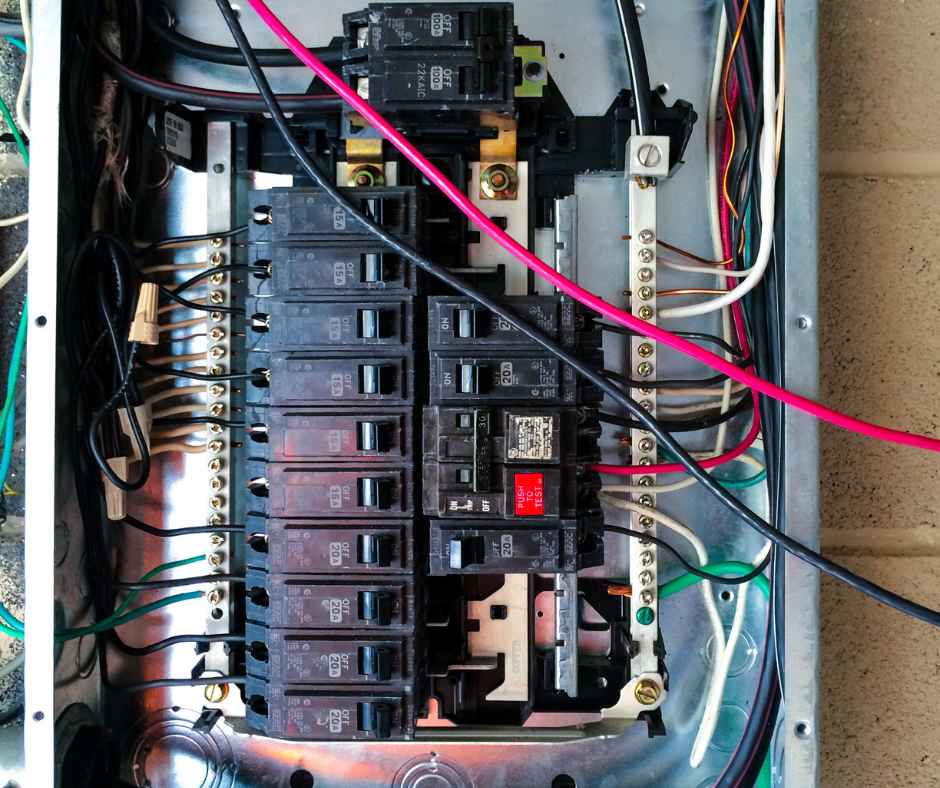
Many older Colorado homes still rely on electrical panels or fuse boxes that were installed decades ago. These outdated systems were never designed to support today’s high-demand appliances, entertainment systems, and smart home technology. As electrical use increases, an aging panel may no longer distribute power safely or efficiently.
Signs your panel is outdated or undersized include:
- Breakers that constantly trip
- Limited available breaker spaces
- Visible rust, heat marks, or buzzing
- A panel rated below 100 or 150 amps
- A fuse box instead of a modern breaker system
Modern homes typically require panels capable of 200 amps or more to safely accommodate devices such as electric vehicle chargers, heat pumps, induction cooktops, and large entertainment setups. Upgrading an outdated panel ensures your home can support current and future electrical needs without overloading the system.
If your Colorado home still uses an older panel, or if you have expanded your electrical usage in recent years, an upgrade can improve safety, reliability, and overall performance.
Warm or Discolored Outlets and Switches
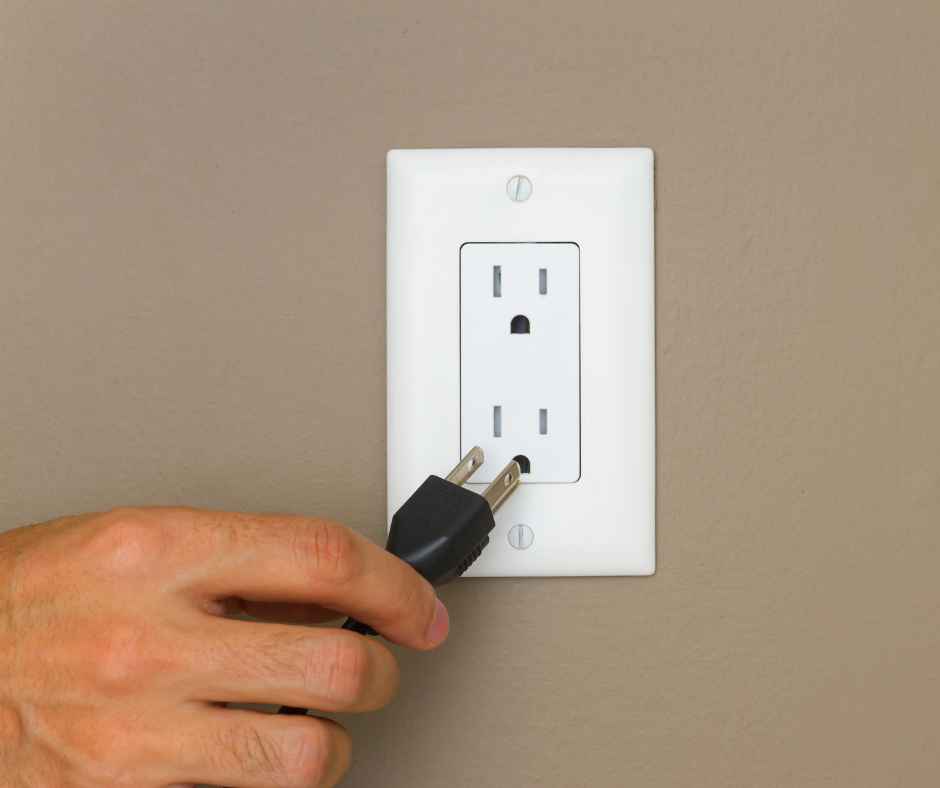
Outlets and switches should always remain cool during normal use. If you notice that these components feel warm, appear discolored, or show signs of scorching, it may indicate a serious electrical problem. Homes across Colorado experience this issue when wiring becomes overloaded or begins to deteriorate with age.
Common causes of overheating outlets include:
- Loose wiring connections
- Circuits carrying more power than they were designed to handle
- Aging or damaged electrical components
- Faulty appliances drawing excessive current
Discoloration, melting plastic, or a burning smell are all signs that heat is building inside the electrical box. This is a fire risk and should be addressed immediately by a licensed electrician. Replacing the outlet alone is not enough. The underlying wiring must be inspected to ensure the system can safely support modern electrical loads.
Warm outlets are a clear sign that your home may be overdue for an electrical upgrade, especially if your Colorado property was built before modern electrical standards were established.
Not Enough Outlets for Today’s Technology
Modern families rely on more devices than ever, and older Colorado homes often lack the number of outlets needed to support current technology. When homes are short on receptacles, homeowners tend to compensate with power strips and extension cords. While these can be helpful temporarily, they are not intended for long-term, high-demand use and can overload circuits.
Signs your home does not have enough outlets include:
- Frequent use of extension cords in multiple rooms
- Power strips plugged into other power strips
- Outlets hidden behind furniture powering several devices
- Rooms with only one or two available receptacles
- Difficulty charging multiple electronics at the same time
Relying heavily on extension cords not only creates clutter but can also increase the risk of overheating and electrical hazards. Modern electrical codes require more outlets because today’s appliances, chargers, and entertainment systems draw significantly more power.
Adding new outlets or dedicated circuits helps your electrical system distribute power more evenly and safely. If you find yourself constantly rearranging plugs or searching for places to charge devices, your home may be due for an electrical upgrade.
Buzzing Sounds, Burning Odors, or Tripped GFCIs
Unusual electrical symptoms such as buzzing noises, burning smells, or frequently tripped GFCI outlets are serious warning signs that your home’s electrical system may be strained or failing. These issues often appear in older Colorado homes where wiring, outlets, or protective devices have begun to deteriorate.
Buzzing or humming sounds often indicate loose wiring connections, overloaded circuits, or failing breakers. These sounds should never be ignored, as they can signal components that are heating up internally.
Burning odors coming from outlets, switches, or the electrical panel are more concerning. This smell means wiring insulation may be overheating, which increases the risk of an electrical fire. If you ever notice this odor, turn off power to the affected area and contact a licensed electrician immediately.
Tripped GFCIs are designed to protect you from electrical shock. While occasional trips are normal, frequent tripping suggests a deeper issue such as:
- Moisture in the outlet
- Ground faults
- Wiring damage
- Overloaded circuits
Colorado homes, especially those exposed to extreme temperature swings or moisture in basements and garages, may see GFCI issues more often if the electrical system is outdated.
These symptoms all indicate problems that require prompt attention and may signal the need for a system upgrade to ensure safety and reliable performance.
Upgrading for EV Chargers, Smart Homes, and New Appliances
Modern technology has increased the electrical demands on Colorado homes. From electric vehicle chargers to smart home devices and high-efficiency appliances, newer equipment often requires more power than older electrical systems can safely supply.
Many popular upgrades need dedicated circuits or additional panel capacity, including:
- Electric vehicle chargers
- Heat pumps and high-efficiency HVAC systems
- Hot tubs and saunas
- Induction cooktops or double ovens
- High-load laundry appliances
- Smart home hubs, lighting, and security systems
If your home’s electrical panel does not have enough amperage or available breaker space, these upgrades may overload the system. Installing new appliances without proper electrical support can lead to breaker trips, flickering lights, and overheating wiring.
Planning an electrical upgrade before adding major new equipment ensures your home stays safe and fully powered. Colorado homeowners who anticipate future EV purchases or smart home expansions should consider upgrading their electrical panels now instead of waiting for symptoms to appear.
Benefits of a Professional Electrical Upgrade in Colorado
Upgrading your home’s electrical system offers more than just improved performance. It enhances safety, increases reliability, and prepares your home for the growing electrical demands of modern living. For Colorado homeowners, where extreme temperatures and technology-focused lifestyles place added stress on electrical systems, these benefits are especially valuable.
Key advantages of an electrical upgrade include:
- Improved safety: New wiring, updated panels, and modern protective devices reduce the risk of electrical fires, overheating, and shock hazards.
- Better performance: Your home can support high-demand appliances, heating and cooling equipment, and electronic devices without strain.
- Enhanced energy efficiency: Upgraded systems deliver steady, balanced power that helps appliances run more efficiently.
- Support for future technology: A modern electrical system prepares your home for EV chargers, smart home devices, and advanced HVAC equipment.
- Higher home value: Electrical upgrades are often appealing to buyers and can boost resale value, especially in older Colorado homes.
A professional upgrade ensures your electrical system meets current codes, functions safely, and can handle today’s larger power loads with ease.
Ensuring Your Colorado Home Can Handle Modern Power Demands
Keeping your Colorado home safe and fully powered requires an electrical system that can meet today’s rising energy needs. Older wiring, outdated panels, and overloaded circuits are not only inconvenient but can also create serious safety risks. Paying attention to early warning signs such as frequent breaker trips, warm outlets, buzzing noises, or a lack of available outlets helps you identify when it may be time for an electrical upgrade.
Modern appliances, smart home devices, and electric vehicle chargers all require more power than older systems were designed to deliver. Upgrading your electrical system improves safety, increases efficiency, and ensures your home is ready for the technology you rely on every day.
For professional help evaluating your electrical system and upgrading it for modern power demands, contact us today and experience expert service from WireNut Home Services.
FAQ: Electrical Upgrade Questions for Colorado Homeowners
How long does an electrical panel upgrade usually take?
Most electrical panel upgrades can be completed in one day, although larger or older homes may require additional time for wiring updates or inspections.
Will an electrical upgrade help lower my energy bills?
Potentially. While the upgrade itself does not directly reduce usage, it helps appliances and HVAC systems run more efficiently, which can lower long-term energy costs.
Can I install an EV charger without upgrading my electrical panel?
Some Colorado homes can support EV chargers without an upgrade, but many older panels lack the capacity. A licensed electrician can evaluate your available amperage and determine whether a dedicated circuit is needed.
Are aluminum wires safe, or should I upgrade them?
Aluminum wiring can be safe if properly maintained, but it is more prone to overheating and loose connections. Many homeowners choose to upgrade to copper wiring for added safety and reliability.
How often should an older home’s electrical system be inspected?
Homes more than 30 years old should receive an electrical inspection every three to five years. Frequent inspections help identify aging components before they become safety hazards.