Serving Colorado Springs & Surrounding Areas

Why Some Outlets and Switches Keep Failing: Common Causes and Solutions
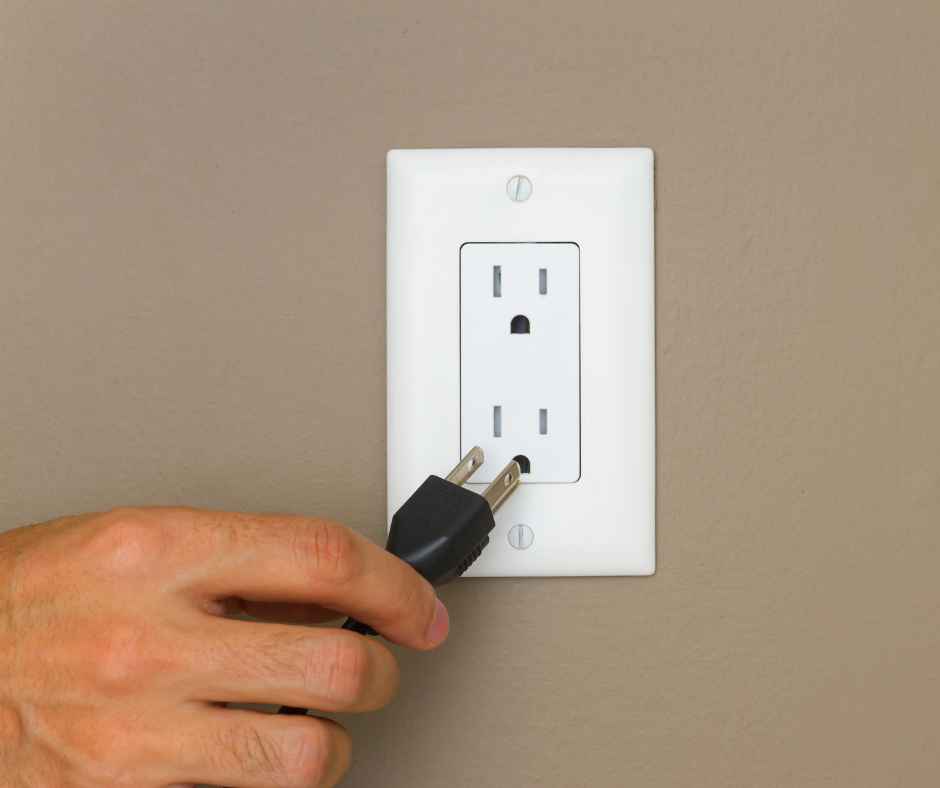
Most homeowners in Denver and Colorado Springs view outlets and switches as static components that should work indefinitely. However, these are mechanical devices that undergo physical stress every time you plug in a lamp or flip a light on. When an outlet stops holding a plug or a switch begins to flicker, it is rarely an isolated incident. Instead, these failures are often symptoms of deeper issues within your home’s electrical infrastructure.
In this blog, we will explore the underlying reasons why your outlets and switches may be failing prematurely and what you can do to fix them. From the impact of Colorado’s dry climate to the dangers of outdated wiring techniques, understanding these causes is the first step toward a safer home.
The Silent Struggle: Loose Connections and Worn Terminals
One of the most frequent causes of outlet and switch failure is the gradual loosening of the connections behind the wall plate. Over time, the heating and cooling that occur whenever electricity flows through a wire cause the metal to expand and contract. This minute movement can slowly back out the screws holding the wires in place. When a connection becomes loose, it creates resistance, which in turn generates excessive heat. This heat can eventually melt the device’s plastic casing or even lead to dangerous electrical arcing.
In Colorado, our drastic temperature swings can actually accelerate this physical expansion and contraction. Proper electrical maintenance involves ensuring that these connections remain tight and secure to prevent “hot spots” within your walls. If you suspect your devices are failing due to internal connection issues, look for these specific indicators:
- Discolored Faceplates: Noticing brown or black scorch marks around the plug openings or at the edges of the switch.
- Warm to the Touch: Feeling heat emanating from the outlet cover even when nothing is plugged into it.
- Faint Crackling Sounds: Hearing a “sizzling” or “popping” noise when you flip a switch or insert a plug.
- Internal Arcing: Seeing a brief blue flash behind the wall plate when a device is turned on or off.
- The “Back-Stabbed” Warning: Finding that wires were pushed into the rear of the device rather than wrapped around the side screws, a common but less secure installation method.
- Brittle Wire Insulation: Observing that the plastic coating on the wires inside the box is cracked, dry, or crumbling due to heat exposure.
- Intermittent Power: Experiencing a light that flickers or a device that only works if the plug is wiggled into a specific position.
When a terminal becomes worn or loose, it essentially becomes a miniature heating element. Replacing the failing device is only half the battle; ensuring the new connection is torqued correctly is what prevents the problem from returning.
Overloaded Circuits: The Burden of Modern Living
Modern homes in the Front Range are often filled with more electronics than their original electrical systems were designed to handle. When too many high-draw appliances are connected to a single circuit, the constant high-amperage flow puts immense strain on every outlet and switch in that chain. This overwork leads to internal degradation of the copper contacts and the plastic housing. While a circuit breaker is designed to trip during a major surge, a chronic “near-limit” load can slowly cook your devices over several years without ever triggering a safety shut-off.
Regular electrical maintenance includes assessing how your power is distributed throughout your home. If you are constantly “daisy-chaining” power strips or using multiple high-wattage devices in one room, your outlets are likely the first components to show signs of fatigue. To protect your home from the consequences of an overloaded system, keep an eye out for these operational red flags:
- Scent of Burning Plastic: Detecting a metallic or “fishy” odor near a high-use outlet, which indicates that the internal components are overheating.
- Tangled Power Strips: Using multiple multi-plug adapters in a single outlet, which draws more current than the outlet was designed to manage.
- Frequent Breaker Trips: Resetting the same breaker once a month or more suggests the circuit is consistently operating at its maximum capacity.
- Voltage Drops: Noticing that your computer monitor flickers or your desk lamp dims whenever the printer starts a job on the same circuit.
- Loose Plug Retention: Finding that plugs fall out of the outlet easily because the internal metal tensioners have been softened by excessive heat.
- Stuck Switches: Encountering a light switch that feels “mushy” or refuses to stay in the on position after a period of heavy use.
- Melting Plug Prongs: Observing that the metal prongs on your appliance cords are discolored or have small “pitted” marks from high-resistance heat.
An overloaded circuit is a silent drain on your home’s efficiency and safety. By redistributing your power needs or adding dedicated circuits for high-draw items, you can stop the cycle of hardware failure and reduce the risk of a fire.
Environmental Stress: Humidity and Dust in the Home
In Colorado, the environment plays a surprisingly large role in the health of your electrical components. While our air is generally dry, the accumulation of fine Rocky Mountain dust can wreak havoc on the moving parts inside a switch or the contact points of an outlet. Dust acts as an insulator where you do not want it, preventing heat from dissipating and sometimes causing “ghost” connections that lead to flickering. Conversely, in areas like bathrooms, kitchens, and basements, localized humidity can cause copper wires to oxidize, creating a layer of “green rust” that hinders electrical flow.
Effective electrical maintenance requires accounting for these environmental factors, especially in older homes in Denver or Colorado Springs, where boxes may not be perfectly sealed. When air and debris enter your electrical boxes, they set the stage for premature failure. To see if the environment is attacking your outlets and switches, look for these signs:
- Visible Dust Buildup: Finding thick layers of gray lint or construction dust inside the outlet when you remove the faceplate.
- Corroded Wire Tips: Noticing that the exposed copper ends of the wires have turned a dull green or black color instead of a shiny penny hue.
- Sticky Switch Operation: Feeling a “gritty” sensation when you toggle a light switch, which often indicates dirt has entered the mechanical housing.
- Static Discharges: Experiencing frequent small shocks when touching a switch, which can be exacerbated by Colorado’s dry air and poorly grounded components.
- Basement Dampness: Finding rust on the mounting screws of outlets located in unfinished or damp areas of the home.
- Insect Intrusion: Discovering that small pests have nested inside the electrical box, which can lead to chewed insulation and short circuits.
- Carbon Tracking: Seeing faint black lines on the surface of the outlet, which are paths created by dust and electricity “jumping” across the gap.
Protecting your devices from the elements inside your own home is vital. By keeping your home clean and ensuring that outlets in high-moisture areas are properly rated and sealed, you can significantly extend the life of your hardware.
Mechanical Wear: The Lifespan of Moving Parts
Every outlet and switch in your Colorado home has a finite mechanical lifespan measured in “cycles.” For a switch, a cycle is one on-and-off motion; for an outlet, it is one insertion and removal of a plug. Inside these devices are tiny springs and copper contact “fingers” that must maintain a specific amount of tension to work safely. Over time, that tension fades. The springs in the switch can snap, or the contact points in the outlet can stretch out, leading to a loose fit that creates dangerous electrical gaps.
Consistent electrical maintenance involves recognizing when a device has simply reached the end of its useful life. In high-traffic areas like kitchens and hallways, these components wear out much faster than those in a guest bedroom. To determine if your hardware is suffering from mechanical fatigue, look for these specific physical changes:
- Loose Outlet Grip: Noticing that heavy power cords or even lightweight chargers fall out of the wall with the slightest tug.
- The “Half-Mast” Switch: Finding that a light switch sits in a neutral middle position rather than clicking firmly up or down.
- Internal Rattling: Hearing the sound of small plastic or metal pieces moving around inside the device when you tap on the wall plate.
- Increased Physical Resistance: Having to use excessive force to push a plug into the outlet or flip a switch.
- Delayed Response: Flipping a switch and waiting a second or two before the light actually illuminates, indicating poor internal contact.
- Loss of “Snap”: Using a switch that moves silently and smoothly without the distinct tactile “click” of a healthy spring.
- Inconsistent Power: Seeing a device turn off if you accidentally brush against the cord, which proves tthat he internal contacts are no longer tight.
When the mechanical integrity of a switch or outlet fails, it cannot be repaired. The only safe solution is a full replacement with a high-quality, commercial-grade component that can withstand the thousands of cycles expected in a modern household.
The Professional Solution: Beyond the DIY Fix
While changing a single outlet might seem like a simple weekend project, recurring failures across multiple rooms often point to systemic issues that require a professional eye. At WireNut Home Services, we look beyond the failing device to inspect the health of the entire circuit. In Denver and Colorado Springs, older homes often have unique challenges, such as “knob and tube” remnants or ungrounded boxes, that make a simple hardware swap insufficient for long-term safety.
A professional electrical maintenance audit provides the diagnostic depth necessary to stop the cycle of hardware failure. By choosing an expert evaluation, you benefit from several critical services:
- Circuit Load Mapping: Identifying which outlets are overburdened and recommending the addition of new circuits to balance the load.
- Grounding Verification: Ensuring that every outlet is properly grounded to protect your electronics from static and surges.
- Code-Compliant Upgrades: Replacing standard outlets with GFCI (Ground Fault Circuit Interrupter) or AFCI (Arc Fault Circuit Interrupter) units where required by law.
Restore Power and Peace of Mind Today
Failing outlets and switches are your home’s way of signaling that something is wrong. Whether the cause is loose connections, environmental dust, or simple mechanical wear, ignoring these signs can lead to dangerous consequences.
WireNut Home Services is here to provide the expert solutions you need to keep your Front Range home running smoothly. If you are tired of flickering lights or loose plugs, contact us today for a comprehensive electrical inspection and hardware refresh.
FAQ: Outlets and Switches in Colorado
Why do some of my outlets only have two slots and no ground hole?
Most homeowners benefit from scheduling a professional plumbing inspection once a year. However, if your home has older plumbing or you notice recurring issues, you may want to book inspections more frequently.
How long should a typical light switch last?
Most standard-grade switches are designed to last about 20 years, but high-use switches in kitchens or bathrooms may wear out in as little as 10 years.
Is it safe to use an outlet if it feels warm?
No. Heat is a sign of resistance or a loose connection. You should stop using that outlet immediately and have it inspected by a professional to prevent a fire.
What is the difference between a “decorator” switch and a “toggle” switch?
A toggle switch is the traditional small lever, while a decorator (or rocker) switch is a large, flat panel. Both function similarly, but decorator switches are often built to higher modern standards.
Why does my outlet spark when I plug something in?
A tiny spark can be normal as the “circuit completes,” but a large, bright blue flash or a lingering ozone smell is a sign of a failing device or a short circuit.