See our current specials →

Colorado Springs Electrical Panel Replacement
An electrical panel has a finite service life. Most are designed to last 25 to 40 years under normal conditions, but normal conditions in Colorado Springs include altitude temperature swings, hard freeze cycles, and electrical loads that have grown significantly since most of these panels were originally installed. A panel that was adequate for a 1970s household running a few appliances and some lights is not the same panel that should be managing a modern home with electric vehicles, smart systems, high-efficiency HVAC, and multiple large appliances running simultaneously.
Panel replacement is one of the most significant electrical upgrades a Colorado Springs homeowner can make, and also one of the most consequential if it’s done wrong. Permits, inspections, proper sizing, and correct installation aren’t optional steps. They’re what separates a panel that performs safely for the next 30 years from one that creates liability, fails inspection at the point of sale, or worse, contributes to an electrical fire. WireNut’s licensed electricians handle electrical panel replacements from initial assessment through final inspection, with upfront pricing and no pressure to do more than your home actually needs.
If your panel is showing signs of age, struggling to handle your home’s current load, or has been flagged by an inspector or insurance carrier, schedule online and we’ll assess exactly what your situation calls for.
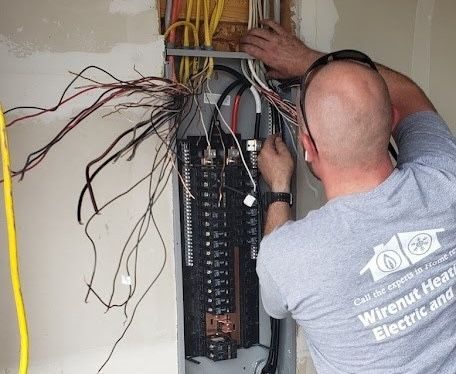
Signs Your Colorado Springs Home Needs a Panel Replacement
Some panel problems are repairable. Others point to a panel that has reached the end of its useful life or was never adequate for the home it’s serving. Here’s what typically indicates replacement is the right path rather than another round of repairs.
Your Panel Is 25 to 40 Years Old
Age alone doesn’t automatically mean replacement, but it does mean a closer look is warranted. Panels from the 1970s and 80s were designed for electrical loads that bear little resemblance to what a modern Colorado Springs home demands. Components wear over decades of thermal cycling, breakers lose their ability to hold rated loads reliably, and wiring connections inside the enclosure can loosen over time. If your panel is approaching or past the 30-year mark and you haven’t had it assessed recently, it’s worth knowing what condition it’s actually in.
You Have a Federal Pacific or Zinsco Panel
These two brands have documented histories of breakers failing to trip correctly under overload conditions, which means the panel’s primary safety function is compromised. Federal Pacific Stab-Lok panels and Zinsco panels, also sold under the Sylvania name, were common in Colorado Springs homes built between the 1950s and 1980s and a meaningful number are still in service today. If you have either brand, replacement is the standard professional recommendation regardless of whether you’re currently experiencing symptoms. Some insurance carriers now exclude coverage for homes with these panels or require replacement as a condition of policy renewal.
Your Panel Can’t Handle Your Current Load
A 100-amp panel that was installed when the home had gas heat, no AC, and a single-car garage without an EV charger is undersized for what many Colorado Springs homeowners are running today. If you’re adding a heat pump, an electric vehicle charger, a hot tub, or a home addition, a panel assessment should be the first step before any of that work begins. Trying to add circuits to an already maxed-out panel creates overload conditions that no amount of breaker resetting will fix.
Recurring Panel Problems That Repair Hasn’t Solved
If you’ve had panel repairs done and the same issues keep coming back, the panel itself is likely the problem rather than any individual component within it. Bus bar damage, widespread corrosion, and enclosures that have taken on heat damage across multiple breaker positions are conditions where repair is treating symptoms rather than the cause. WireNut electricians will tell you honestly when that line has been crossed rather than continuing to sell you repairs on a panel that needs to be replaced. For more on what panel repair covers, visit our electrical panel repair page.
Your Panel Was Flagged by an Inspector or Insurance Carrier
A home inspection report or insurance underwriting flag that calls out the electrical panel is worth taking seriously. These flags typically appear when the panel brand has a known defect history, when the amperage is insufficient for the home’s size, or when visible conditions inside the panel indicate safety concerns. Addressing the flag proactively is almost always less disruptive and less expensive than dealing with it as a condition of closing a home sale or a policy cancellation. WireNut handles panel replacements for Colorado Springs homeowners in exactly these situations and can coordinate the work and inspection on a timeline that fits your needs.
Need Help? Give WireNut a Call!
What a Panel Replacement Involves
Permits, Utility Coordination, and Inspection
Electrical panel replacement is not a straightforward swap. It involves disconnecting your home from utility power, removing the existing panel, installing and wiring the new one, verifying every circuit connection, and passing a city inspection before power is restored. The process requires a licensed electrician, a permit, and coordination with Colorado Springs Utilities or Black Hills Energy depending on your service area. WireNut manages all of it so you’re not navigating utility calls and permit offices on your own.
Sizing the New Panel Correctly
The first step is sizing the new panel correctly for your home’s current load and reasonable future demands. Most Colorado Springs homes are best served by a 200-amp panel, which is the current standard for new residential construction and provides enough capacity for modern appliances, HVAC systems, and the addition of EV charging or other high-draw equipment down the road. Homes with unusually high electrical demands or significant planned additions may warrant a larger service. WireNut electricians assess your existing load and talk through your plans for the home before recommending a panel size so you’re not replacing a panel that’s already undersized for what you’re planning to do next.
Installation Day
On installation day, your power will be off for the duration of the work, typically four to eight hours for a standard panel replacement. WireNut electricians work efficiently to minimize that window and will give you a realistic estimate of the outage duration before scheduling. Every circuit is reconnected, labeled, and tested before the panel cover goes back on. The inspection is scheduled as part of the job and handled by WireNut, not handed off to you. When the inspection passes and power is restored, your electrician walks you through the new panel, explains the circuit layout, and answers questions before leaving. If your panel is due for replacement, schedule online and we’ll assess your home and walk you through exactly what the project involves.
What Happens If Wiring Issues Are Found
If your home’s electrical wiring is in good condition, a panel replacement typically doesn’t require rewiring the circuits. If the assessment reveals wiring that’s deteriorated, improperly sized, or no longer code-compliant, that conversation happens before work begins so you have a complete picture of the project scope and cost. WireNut’s goal is no surprises at any point in the process. For a full overview of everything our electricians handle at the panel level, visit our electrical panels page.
Expires:
Sep 30, 2026
*See Disclaimer for details
Reach Out To Us