Nominate a Neighbor for a Free Furnace or AC →

Why Your Drains Keep Clogging (And What Colorado’s Hard Water Has to Do With It)
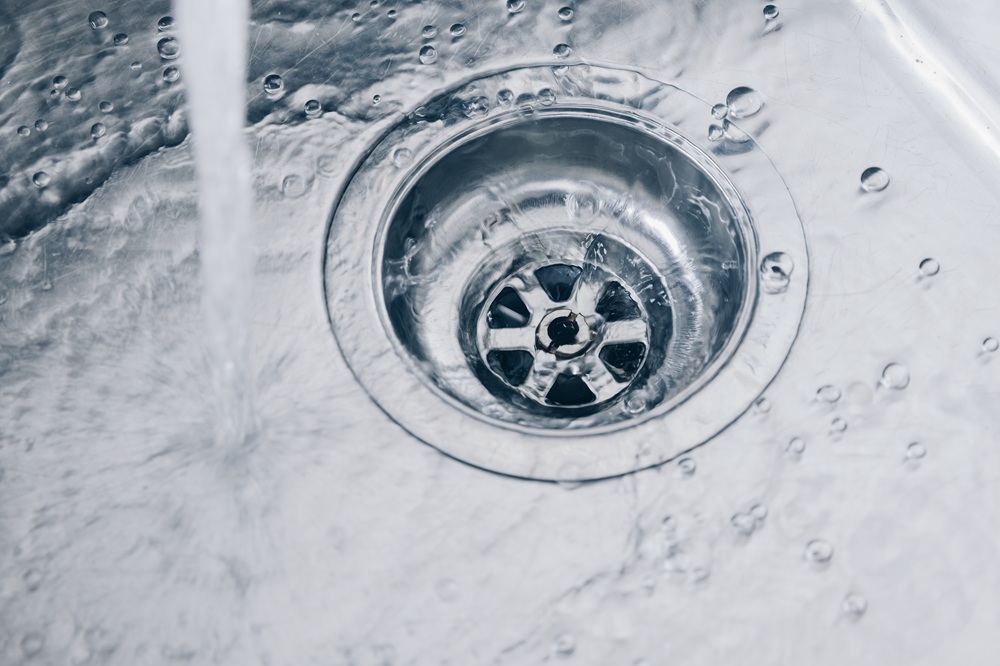
If you’re dealing with drains that slow down, back up, or clog more often than they should, the usual suspects get blamed: too much hair, grease buildup, the occasional dropped item. Those are real causes. But if you live on the Front Range and your drains feel like they clog constantly no matter what you do, there’s a Colorado-specific factor most homeowners never consider: hard water.
Mineral deposits from Colorado’s hard water supply don’t just show up as white crust around your faucets. Over time, they build up inside your drain pipes, narrowing the passage and creating the perfect surface for everything else to stick to. Understanding how this works changes how you think about recurring drain problems and what it actually takes to fix them for good.
What Makes Colorado’s Water So Hard
Hard water is water with elevated concentrations of dissolved calcium and magnesium minerals. The Front Range gets its water supply primarily from snowmelt running through limestone and mineral-rich rock formations in the Rockies. By the time that water reaches your home, it carries a significant mineral load.
Colorado Springs consistently tests among the harder municipal water supplies in the country. Pueblo’s water, drawn from the Arkansas River watershed, runs similarly mineral-heavy. Monument, Fountain, and the surrounding communities are in the same boat. The hardness level varies somewhat by municipality and season, but across the Front Range, hard water is the rule, not the exception.
That mineral content is what makes Colorado’s drain clog problem different from what a generic plumbing guide is written to address.
How Hard Water Makes Drain Clogs Worse
Here’s the mechanism most people don’t know about. When hard water flows through your drain pipes, calcium and magnesium don’t stay fully dissolved. They gradually deposit on pipe walls, forming a rough, chalky layer called scale. Unlike the smooth interior surface of a new pipe, scale has texture. And texture is exactly what soap scum, hair, grease, and food particles need to grab onto and accumulate.
In a home with soft water or low mineral content, a strand of hair or a bit of soap residue is likely to wash through. In a scaled pipe, that same hair catches on a rough deposit, another strand catches on that one, and within weeks you have a clog that would have taken months to develop in a softer-water market.
The compounding effect is what catches Colorado homeowners off guard. They snake the drain, it flows fine for a few weeks, then it’s slow again. They assume something is wrong with how the drain was cleared, or that someone in the house is doing something different. In reality, the scale is still there, and the clog simply reformed around it.
Which Drains Are Most Affected
Shower and Tub Drains
Shower drains take the hardest hit from the hard water and soap combination. Soap scum forms when soap reacts with calcium and magnesium in hard water, producing a sticky residue that coats surfaces and drain interiors. Hair sticks to that residue, and the clog builds fast. If your shower drains feel like they need clearing every few months, hard water is almost certainly accelerating the timeline.
Kitchen Sink Drains
The kitchen drain deals with a different mix: grease, food particles, and dish soap residue. Hard water makes grease clogs worse because minerals bond with fat molecules, making them more likely to solidify on pipe walls rather than wash through. The scale that builds up over months gives those fat deposits a surface to cling to, and what might drain slowly in a softer-water home backs up completely in a heavily scaled pipe.
Bathroom Sink Drains
Toothpaste, face wash, shaving cream, and hand soap all contribute residue that combines with hard water minerals in bathroom sink drains. These tend to clog more gradually than shower drains, but the same scale-plus-residue mechanism is at work. If the bathroom sink is draining slower than it used to and cleaning the stopper didn’t help, the clog is almost certainly further down in the pipe.
Laundry Drains
Washing machines in hard water areas deposit mineral scale inside the drain line over time, and detergent residue sticks to it. Lint from laundry adds to the buildup. Laundry drain clogs are less common than shower or kitchen clogs but they’re more disruptive when they happen, often causing backup onto the laundry room floor before the homeowner realizes there’s an issue.
The Difference Between a Clog and a Scale Problem
This distinction matters because they require different solutions. A standard drain clog, caused by hair or grease accumulation in soft-water plumbing, clears completely when a plumber snakes or hydrojets the line. Flow returns to normal and stays that way for a long time.
A scale-assisted clog is different. Snaking removes the clog but leaves the scale on the pipe walls. Flow improves immediately, but the rough surface that made the clog form quickly in the first place is still there. The clog comes back faster than the homeowner expects, and the cycle repeats.
If you’ve had the same drain professionally cleared more than once in a 12-month period, scale is the likely reason it keeps coming back. Hydrojetting is more effective than snaking in this situation because the high-pressure water stream scours the pipe walls and removes scale buildup along with the clog itself, not just the obstruction. It’s a more thorough reset that buys significantly more time before the drain is slow again.
How to Slow Down Hard Water Drain Buildup
You can’t change the mineral content of the water coming into your home from the municipal supply, but you can change what happens to it once it’s inside.
Run hot water after using the drain. Hot water keeps minerals more dissolved and helps flush deposits through the pipe rather than letting them settle on the walls. After washing dishes or using the sink, run hot water for 30 to 60 seconds. It’s a small habit that reduces accumulation over time.
Use a hair catcher in shower drains. This doesn’t address the scale, but it removes the most common clog-forming material before it reaches the scaled pipe walls. Even in a home with hard water, removing the hair from the equation slows clog formation considerably.
Avoid grease down the kitchen drain. Even small amounts of cooking grease stick to scale deposits more readily than they would in a smooth pipe. Wiping pans before washing them and disposing of grease in the trash rather than the sink makes a real difference in hard water homes.
Consider a enzymatic drain treatment. Monthly use of a biological drain cleaner that uses enzymes to break down organic material can slow the buildup of the organic component of drain clogs. These aren’t going to dissolve mineral scale, but they address the soap, grease, and hair side of the equation on a regular basis.
Install a whole-home water softener. This is the only solution that actually addresses the root cause. A water softener removes calcium and magnesium minerals before the water reaches your fixtures and pipes, eliminating the scale formation that makes clogs worse and more frequent. Homeowners who install softeners typically notice an immediate change in how soap lathers, how fixtures look, and over the months that follow, how rarely drains need attention. It’s the highest-impact single upgrade a Colorado homeowner can make for long-term plumbing health.
When to Call a Plumber
Some drain situations are DIY-appropriate: a slow shower drain that clears with a hair catcher and some hot water, or a bathroom sink that just needed the stopper cleaned. But these situations call for a professional:
Multiple drains are slow at the same time. When more than one drain in the house is sluggish simultaneously, the problem is usually in a shared main line rather than individual fixture drains. That requires professional equipment to clear properly and often indicates significant scale or a more serious obstruction deeper in the system.
The same drain keeps clogging within weeks of being cleared. As discussed above, this is the classic sign of scale-assisted clogging. A plumber can hydrojet the line and assess whether scale removal addresses the issue or whether the pipe itself needs attention.
You’re hearing gurgling from other fixtures when one drain is used. Gurgling in a toilet when the sink drains, or air bubbling through a floor drain when the washing machine empties, points to a venting or main line issue that needs professional diagnosis.
There’s a sewage smell. Persistent sewage odor from drains can indicate a dry P-trap, a cracked pipe, or a sewer line issue. None of those are situations to wait on.
WireNut’s Colorado Springs plumbing team handles everything from routine drain cleaning to hydrojetting, sewer line inspection, and water softener installation. If your drains keep coming back, we’ll figure out why and give you a real fix, not just another temporary clear.
Frequently Asked Questions About Drain Clogs and Hard Water in Colorado
Does hard water actually cause drain clogs, or just slow drains?
Both. Hard water mineral deposits, called scale, build up on the interior walls of drain pipes over time. That rough scale surface gives hair, soap scum, and grease something to grab onto and accumulate, which turns what would be a gradual slowdown into a full clog much faster than it would occur in a softer-water home. In Colorado Springs and across the Front Range, hard water is a genuine accelerant for drain problems.
Why does my drain clog again so quickly after I have it cleared?
Almost certainly because of scale on the pipe walls. Standard drain snaking removes the clog but leaves the mineral deposits that made the clog form quickly in the first place. Hydrojetting is more effective for recurring clogs because the high-pressure water scours the pipe walls and removes scale buildup alongside the obstruction. It takes significantly longer for a clog to reform in a clean pipe than in a scaled one.
Which drain in my home is most likely to be affected by hard water?
Shower drains take the worst of it because they deal with the combination of hard water, soap scum (which forms when soap reacts with calcium and magnesium), and hair all at once. Kitchen drains come second due to the grease-plus-minerals interaction. Bathroom sinks and laundry drains follow. If you have one drain that clogs repeatedly while others seem fine, that fixture’s specific use pattern is likely concentrating the problem there.
Is hydrojetting better than snaking for Colorado homes?
For recurring clogs in hard water areas, yes. Snaking is effective for simple obstructions and is often the right first step. But when clogs keep coming back, hydrojetting does something snaking cannot: it removes the scale from pipe walls, not just the clog itself. The result is a cleaner pipe that takes much longer to develop the next blockage. For homes with a history of repeat drain issues, hydrojetting is usually the better investment.
Will a water softener fix my drain clog problem?
It addresses the root cause, which is different from fixing an existing clog. A water softener removes calcium and magnesium before the water reaches your pipes, stopping new scale formation. It won’t dissolve the scale that’s already built up inside existing pipes, but it prevents further accumulation from the day it’s installed. Paired with a thorough hydrojetting to clear existing buildup, a water softener gives Colorado homeowners the most lasting solution to recurring drain problems.
Are chemical drain cleaners effective for hard water clogs?
For the organic component of a clog, sometimes. Chemical drain cleaners can dissolve hair and soap buildup, but they don’t remove mineral scale from pipe walls. They also degrade certain pipe materials over time with repeated use, particularly older PVC and galvanized steel. In a hard water home where scale is part of the problem, chemical cleaners provide temporary relief at best and can cause long-term pipe damage with regular use. Enzymatic drain treatments are a safer maintenance option, but professional hydrojetting is the right tool for serious recurring clogs.
How often should I have my drains professionally cleaned in Colorado?
For most Colorado Springs homes without a water softener, an annual drain cleaning is a reasonable maintenance interval for high-use drains like the kitchen sink and main shower. Homes with a water softener can typically go longer between professional cleanings since scale formation is eliminated. If a specific drain has a history of repeat clogs, a plumber can assess the pipe condition and recommend a maintenance schedule based on what they find.