See our current specials →

Centennial Leak Detection
A water leak inside a wall or under a slab in a Centennial home can do significant damage before it is ever visible from the surface. WireNut’s licensed plumbers use professional leak detection equipment to find hidden leaks throughout Centennial homes and give you a clear picture of the source and the repair before any work begins.
Leak Detection for Centennial Homes
Centennial homes from the 1970s and 1980s have supply lines that have been in service for decades, and aging supply lines develop pinhole leaks at corrosion points that can run slowly inside walls and ceilings for weeks before becoming visible as water stains. A water meter that runs when all fixtures are off, unexplained wet spots on walls or ceilings, and unexplained increases in water bills are all signs of a hidden leak in a Centennial home that should be investigated before the leak causes structural damage or mold growth.
After the leak is located, repair is the next step. Our pipe repair team handles the supply line repair or replacement once the source is confirmed. For leaks in slab foundations, the repair approach depends on the pipe condition and leak location. See all Centennial plumbing services.
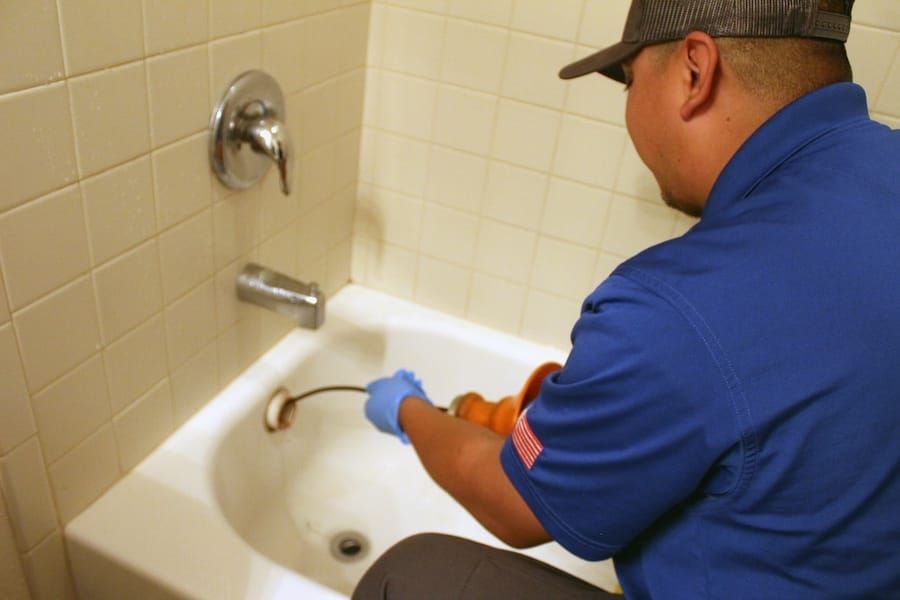
Leak Detection Situations WireNut Handles in Centennial
- Hidden wall and ceiling leak detection for homes with water stains or wet spots where the source is not visible at the surface.
- Slab leak detection for homes where a supply line under the concrete floor has developed a leak, often indicated by warm spots on the floor, wet floor surfaces, or unexplained water bills.
- Water meter leak check to confirm whether a running water meter with all fixtures off indicates a leak in the supply system.
- Irrigation and exterior line leak detection for homes with underground supply lines to irrigation systems or exterior hose bibs that may be leaking below ground.
- Post-repair leak verification to confirm a repaired line is holding correctly before walls are closed or slabs are patched.
Here are the leak detection calls our Centennial plumbers handle most often.
How Do I Know If My Centennial Home Has a Hidden Leak?
The clearest non-visual signs of a hidden leak in a Centennial home are a water meter that continues to run when every faucet, toilet, and appliance is off, an unexplained increase in water bills that does not correspond to any change in usage, and the sound of running water inside walls when no fixtures are in use. Visual signs that appear later include water stains on walls or ceilings, soft or discolored drywall, peeling paint or wallpaper near plumbing walls, and visible mold growth in areas adjacent to plumbing.
In Centennial homes with copper or galvanized supply lines that are 40 or more years old, pinhole leaks are a known failure mode. Copper in certain soil conditions and galvanized steel as it corrodes internally can both develop small leaks at corrosion points that start slowly and worsen over time. Early leak detection allows for targeted repair before the leak causes significant damage.
What Is a Slab Leak and How Is It Repaired in Centennial?
A slab leak occurs when a supply or drain line running under the concrete slab foundation of a home develops a leak. In Centennial, slab leaks most commonly occur in copper supply lines that have corroded through from the outside due to aggressive soil chemistry, or at joints and fittings that have shifted over time. Symptoms include warm spots on floors for hot water line leaks, wet floor surfaces, reduced water pressure, and the sound of water running when all fixtures are off.
Repair approaches for slab leaks include breaking through the slab at the leak point for a spot repair, rerouting the affected line through the wall or ceiling to bypass the slab section entirely, or whole-home repiping where the slab-routed lines are abandoned and new lines are run through the walls. WireNut assesses the pipe condition and leak location in your Centennial home and gives you honest options with pricing for each approach before any work begins.
Need Help? Give WireNut a Call!
Expires:
Oct 31, 2026
*See Disclaimer for details
Reach Out To Us
How Leak Detection Works With WireNut in Centennial
1
Step 1: Assess the Symptoms and Isolate the System. We evaluate where and how the leak is presenting, isolate the plumbing system to confirm a leak exists, and use detection equipment to narrow the source before recommending any repair.
2
Step 2: Locate the Leak and Give You Upfront Options. Once the leak is located, we give you the repair options with upfront pricing for each approach so you can make an informed decision.
3
Step 3: Repair and Verify. We complete the repair, pressure test the affected line, and verify the leak is resolved before leaving your Centennial home.
Why Centennial Homeowners Choose WireNut for Leak Detection
WireNut has been finding and fixing hidden plumbing leaks in Colorado homes since 2004 and has earned 11 BBB Excellence in Customer Service Awards. Leak detection requires the right equipment and the experience to interpret the findings correctly. WireNut brings both to every call.
We locate before we recommend. Centennial homeowners do not get a repair quote based on a guess about where the leak is. WireNut finds the leak, shows you the evidence, and gives you clear options before any repair work begins.
Leak Detection Questions From Centennial Homeowners
Here are the leak detection questions we hear most from Centennial homeowners.
Suspect a Hidden Leak in Your Centennial Home? Book an Assessment.
Schedule online with WireNut and get a licensed plumber to your Centennial home. We find the leak, show you the evidence, and give you clear options before any repair work begins.