See our current specials →

Aluminum vs. Copper Wiring: Why Older Colorado Homes Face Unique Electrical Risks
Older Colorado homes with aluminum wiring can face higher electrical risks because aluminum expands, contracts, and loosens at connections more than copper wiring. Homeowners should schedule an electrical inspection if they notice flickering lights, warm outlets, burning smells, frequent breaker trips, or if their home was built during a period when aluminum branch wiring was commonly used.
Older Colorado homes have character, history, and plenty of charm. They may also have electrical systems installed under older standards, with materials and methods that do not always meet today’s safety expectations. One of the most important issues homeowners should understand is the difference between aluminum and copper wiring.
In this guide, we will explain why aluminum wiring can create unique risks in older Colorado homes, how it compares to copper wiring, what warning signs to watch for, and when to call WireNut Home Services for a professional electrical inspection.
Why Wiring Material Matters in Older Colorado Homes
Your electrical wiring carries power throughout the home. Every light, outlet, appliance, switch, and major system depends on safe electrical flow. When wiring materials age, loosen, overheat, or connect poorly, the risk of electrical problems increases.
Many older homes were built during periods when aluminum wiring was used as an alternative to copper. Aluminum can conduct electricity, but it behaves differently from copper. Those differences matter most at connection points, such as outlets, switches, panels, junction boxes, and fixtures.
Colorado homes can also face added stress from:
- Dry indoor air during winter
- Seasonal temperature swings
- Older electrical panels
- Additions or remodels completed over time
- Increased demand from modern appliances
- EV chargers, hot tubs, and high-load equipment
- Aging outlets and switches
- DIY electrical work from previous owners
A home’s wiring may have worked for decades, but that does not always mean it is still safe for today’s electrical demands.
Aluminum vs. Copper Wiring: What Is the Difference?
Copper wiring is the standard material used in most modern residential branch circuits. It is durable, highly conductive, and less likely to loosen at connections when installed correctly.
Aluminum wiring is lighter and was often less expensive than copper, which made it attractive during certain construction periods. The problem is that aluminum expands and contracts more than copper as it heats and cools. Over time, that movement can loosen connections.
Key differences include:
- Copper is more stable in connections: It is less likely to loosen with repeated heating and cooling.
- Aluminum expands more than copper: This can create gaps or loose terminals over time.
- Aluminum oxidizes differently: Oxidation can increase resistance at connections.
- Loose aluminum connections can overheat: Heat can damage outlets, switches, wire insulation, and nearby materials.
- Aluminum needs compatible devices: Not every outlet, switch, or connector is rated for aluminum wiring.
- Copper generally handles modern residential use better: Especially when installed with proper panels, breakers, and devices.
Aluminum wiring is not inherently an emergency, but it does require proper inspection, maintenance, and correction.
Why Aluminum Wiring Can Become Risky
The biggest concern with aluminum wiring is not usually the wire inside the wall. The higher risk is often at the connection points where wires attach to devices or other conductors.
When aluminum wiring heats up under electrical load, it expands. When it cools down, it contracts. Over time, this movement can loosen screws, terminals, or splices. A loose connection creates resistance, and resistance creates heat.
That heat can lead to:
- Melted outlet or switch components
- Damaged wire insulation
- Scorch marks
- Flickering power
- Arcing
- Breaker trips
- Burning smells
- Electrical fire risk
Aluminum wiring can also be more vulnerable when standard devices are installed that are not rated for aluminum. If an outlet or switch is incompatible, the connection may fail faster.
Warning Signs Your Home May Have a Wiring Problem
Electrical problems should never be ignored. Some warning signs may seem minor at first, but they can indicate overheating, loose wiring, or overloaded circuits.
Call an electrician if you notice:
- Flickering or dimming lights
- Lights that change brightness when appliances run
- Outlets or switches that feel warm
- Burning or plastic-like smells
- Discolored outlets or switch plates
- Crackling, buzzing, or sizzling sounds
- Frequent breaker trips
- Sparking when plugging in devices
- Dead outlets
- Loose plugs that fall out of outlets
- Smoke marks around receptacles
- A panel that feels warm
- Extension cords used as permanent wiring
Warm outlets, burning smells, buzzing sounds, and scorch marks should be treated as urgent warning signs. Stop using the affected area and call a licensed electrician.
Why Older Colorado Homes Need Extra Attention
Older Colorado homes were often built for a very different electrical lifestyle. A house that once powered basic lighting, a refrigerator, and a few small appliances may now support computers, large televisions, HVAC equipment, kitchen upgrades, smart devices, EV charging, and high-demand laundry systems.
Modern electrical loads can expose older weaknesses.
Common risks in older homes include:
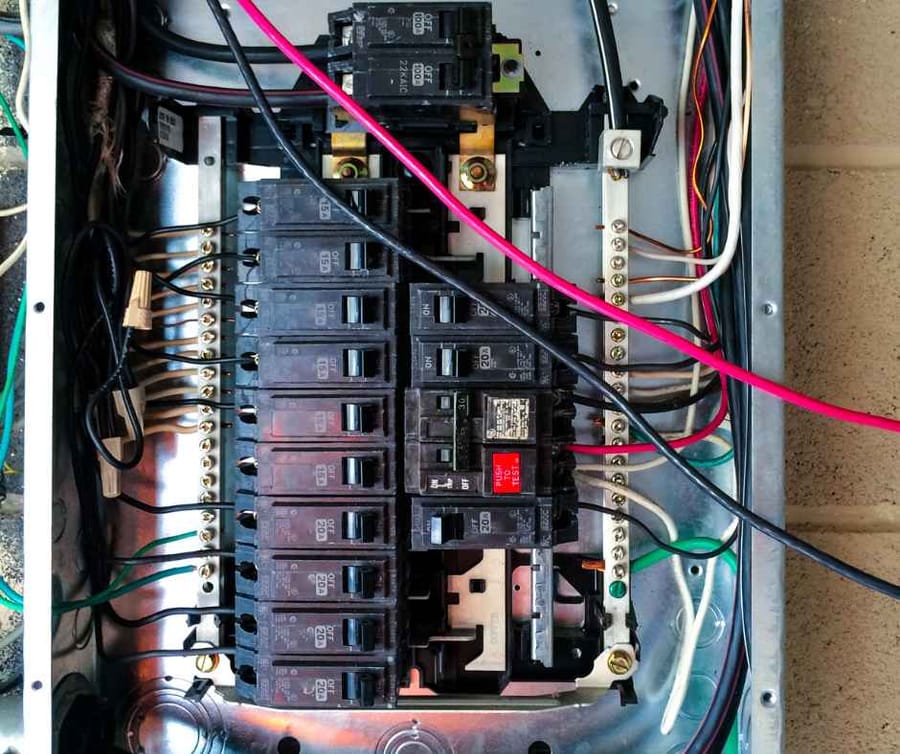
- Undersized electrical panels
- Outdated breakers
- Aluminum branch wiring
- Ungrounded outlets
- Old cloth or brittle insulation
- Mixed wiring from past remodels
- Loose junction box connections
- Overloaded circuits
- Improper DIY splices
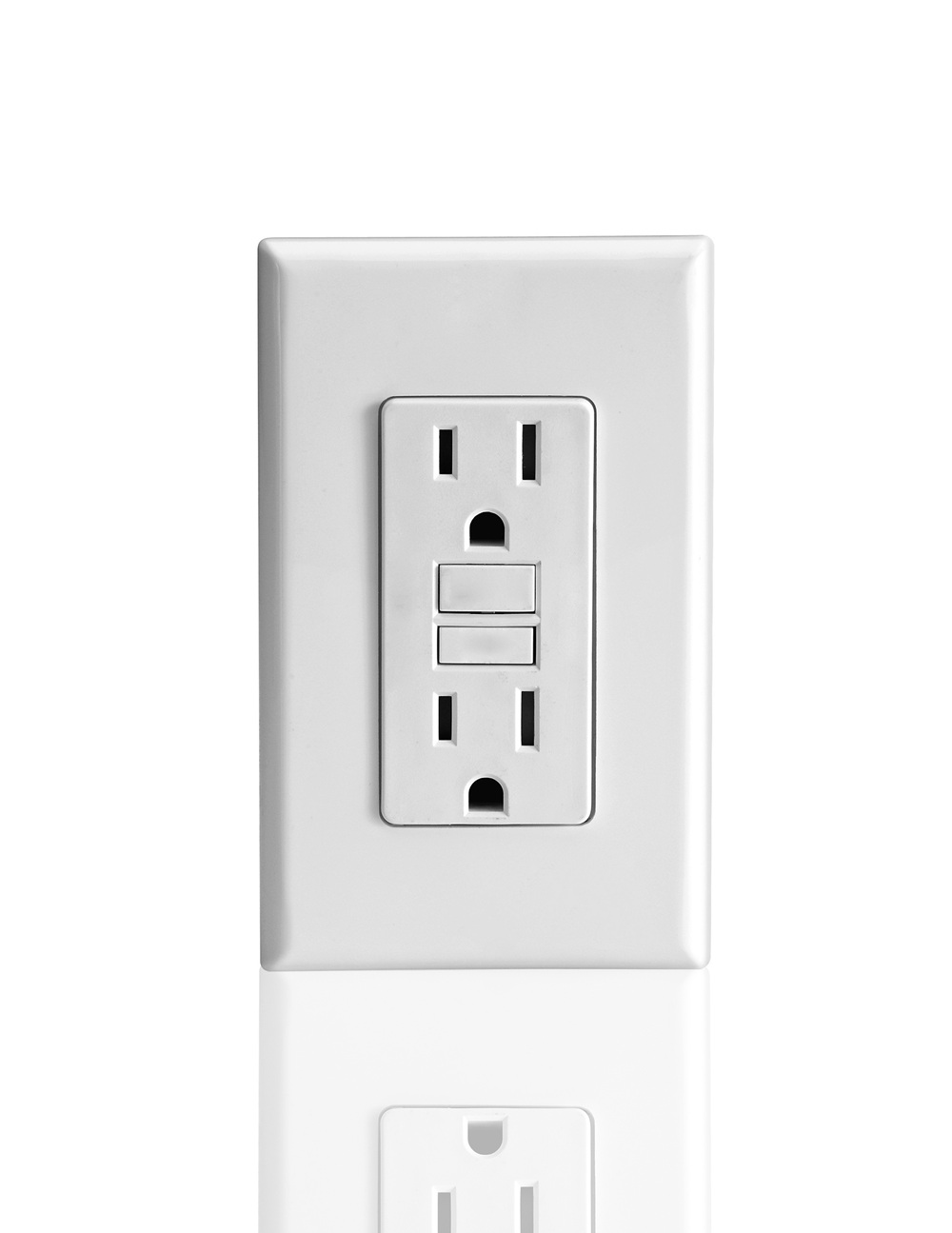
- Missing GFCI protection
- Missing AFCI protection
- Worn outlets and switches
Colorado’s seasonal changes can also matter. Heating and cooling cycles, dry air, and long winters can mean more continuous electrical use. Space heaters, humidifiers, holiday lights, and home office equipment can all add load to circuits that may already be outdated.
How to Tell If Your Home Has Aluminum Wiring
Most homeowners cannot confirm wiring material just by looking at a wall switch or outlet from the outside. However, there are clues that may suggest an inspection is needed.
You may need an aluminum wiring inspection if:
- Your home was built or heavily remodeled decades ago
- You see “AL” or “Aluminum” markings on visible cable
- Outlets or switches have been replaced many times
- Lights flicker in multiple rooms
- Breakers trip without a clear reason
- Devices feel warm during normal use
- You are buying or selling an older home
- You are planning a remodel
- You are adding high-load equipment
- You do not know the home’s electrical history
Do not remove outlets, open panels, or disturb wiring to check on your own. Electrical inspections should be handled by a professional who can perform the testing safely and identify the appropriate correction method.
Repair, Replace, or Retrofit: What Are the Options?
If your home has aluminum wiring, there may be several options depending on the wiring’s condition, the devices installed, the panel, and the level of risk.
Possible solutions may include:
- Full electrical inspection
- Replacing incompatible outlets and switches
- Installing aluminum-rated devices where appropriate
- Using approved connectors or pigtailing methods
- Repairing loose or damaged connections
- Replacing damaged sections of wiring
- Upgrading the electrical panel
- Rewiring part or all of the home
- Adding modern safety protection where needed
A full rewire is not always the first or only option. However, some homes may need more extensive work if wiring is damaged, poorly altered, overloaded, or unsafe.
The right repair depends on:
- Wiring type
- Age of the system
- Condition of connections
- Signs of overheating
- Panel capacity
- Past remodel work
- Homeowner safety goals
- Insurance or real estate requirements
- Plans for future upgrades
A qualified electrician can explain which solution is practical, safe, and appropriate for the home.
Why DIY Electrical Work Is Especially Risky With Aluminum Wiring
DIY electrical work can be dangerous in any home, but aluminum wiring adds another layer of risk. Standard connectors, outlets, switches, and repair methods may not be compatible with aluminum conductors.
Common DIY mistakes include:
- Installing devices not rated for aluminum
- Mixing copper and aluminum incorrectly
- Using the wrong wire connectors
- Over-tightening or under-tightening terminals
- Ignoring oxidation
- Leaving loose splices in junction boxes
- Extending circuits without checking load
- Replacing breakers without diagnosing the cause
- Covering up damaged wiring during remodeling
A seemingly simple repair can create a hidden overheating risk if the wrong materials are used. This is why aluminum wiring should always be evaluated by a licensed electrician.
When to Schedule an Electrical Safety Inspection
A professional inspection is the best way to understand what is happening inside an older electrical system. It can help identify wiring material, panel issues, overloaded circuits, aging devices, and unsafe connections.
Schedule an inspection if:
- Your home is older and has not had a recent electrical evaluation
- You suspect aluminum wiring
- You are buying or selling a home
- You are finishing a basement
- You are remodeling a kitchen or bathroom
- You are installing new HVAC equipment
- You are adding an EV charger
- You are planning a hot tub installation
- You notice flickering, buzzing, heat, or odors
- Breakers trip often
- Your insurance company requests electrical documentation
An inspection can help you make informed decisions before a minor issue becomes a major hazard.
How WireNut Home Services Can Help
WireNut Home Services can help Colorado homeowners identify electrical risks, upgrade outdated systems, and make older homes safer for modern living. Whether you suspect aluminum wiring or simply want peace of mind, a professional electrician can evaluate the system and recommend the right next step.
WireNut can help with:
- Electrical safety inspections
- Aluminum wiring concerns
- Outlet and switch replacement
- Panel inspections
- Panel upgrades
- Circuit repairs
- Whole-home electrical evaluations
- Remodel wiring support
- EV charger readiness
- Troubleshooting flickering lights and breaker trips
Call WireNut for Aluminum or Copper Wiring Concerns
Call WireNut Home Services if your older Colorado home has flickering lights, warm outlets, burning smells, frequent breaker trips, outdated electrical panels, or suspected aluminum wiring. These signs may point to loose connections, overloaded circuits, or wiring that needs professional attention.
Aluminum wiring requires careful inspection and the right repair approach. Copper wiring can also become unsafe when it is aging, overloaded, or poorly installed. For trusted electrical inspections, wiring repairs, and home safety upgrades in Colorado, contact WireNut Home Services today. Our team can help you understand your wiring, reduce risk, and keep your home ready for modern electrical use.