CHRISTMAS IN JULY — Donate toys & we'll waive the service charge! →

How Long Does an HVAC System Last in Colorado?
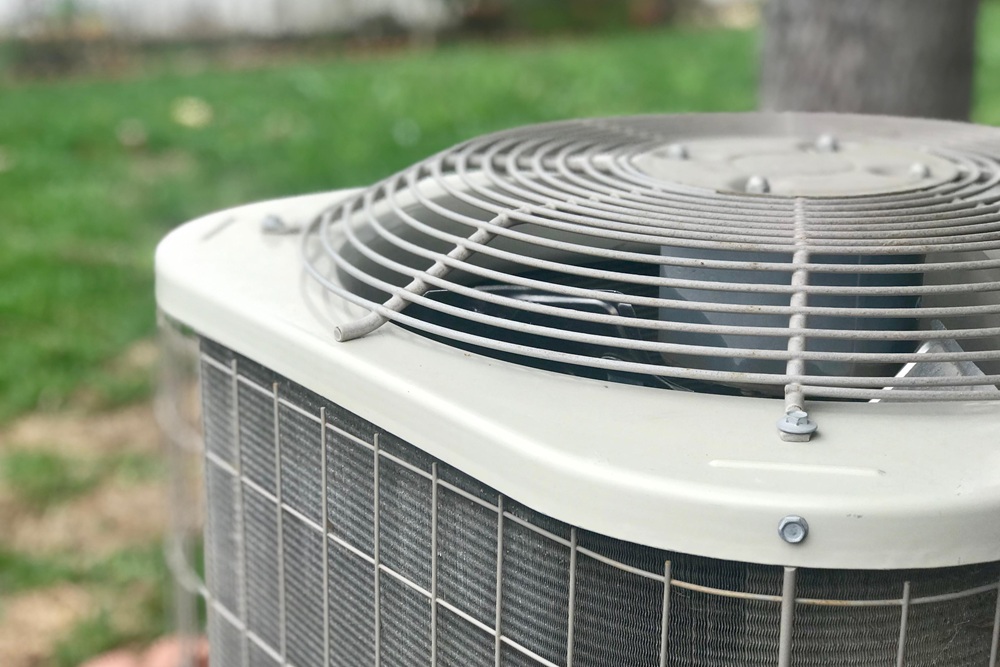
If you’ve been Googling “how long does an HVAC system last” and getting answers like “15 to 20 years,” here’s something those articles won’t tell you: those numbers were written for sea-level homes. In Colorado, the math is different. Altitude, hard water, freeze-thaw cycles, and wide temperature swings put a kind of stress on heating and cooling equipment that most of the country never deals with. Your system is working harder than its counterparts in Phoenix or Atlanta, and it’s going to show the wear sooner.
Here’s what Colorado homeowners actually need to know about HVAC lifespan, and what signs to watch for when your system starts running out of time.
Why Colorado Is Harder on HVAC Equipment Than Most Places
Before we get to the numbers, it helps to understand why altitude and climate conditions in Colorado shorten HVAC lifespan compared to national averages.
At elevations above 5,000 feet, air is less dense. That affects HVAC systems in two significant ways. First, combustion appliances like furnaces and boilers have to work harder to extract heat from thinner air, running longer cycles to hit the same temperature setpoints. Second, refrigerant in air conditioning systems behaves differently at altitude. Pressure differentials change, compressors strain more, and heat transfer is less efficient than at sea level. A unit that’s properly sized for Denver or Colorado Springs may actually be undersized by the standards a sea-level engineer would apply.
Add to that the Front Range’s notorious freeze-thaw cycles. Outdoor condenser units expand and contract with temperature swings that can hit 40 or 50 degrees in a single day. That kind of thermal stress fatigues metal components, loosens connections, and accelerates refrigerant line wear. Then there’s the hard water that runs through most of Colorado’s municipalities, which builds scale inside hydronic systems and humidifiers, reducing efficiency and shortening component life over years of use.
Realistic HVAC Lifespan Estimates for Colorado Homes
National averages are a starting point, but here’s a more honest range based on Front Range conditions:
Central Air Conditioning
National average: 15 to 20 years. Colorado realistic range: 12 to 16 years. AC systems in Colorado tend to start declining earlier because of the altitude-related compressor strain and the UV intensity at elevation, which degrades refrigerant line insulation and outdoor unit components faster than lower-altitude climates. Systems that weren’t properly commissioned for altitude at installation can start showing efficiency losses even earlier. If your Colorado Springs home’s AC is in that 12-plus-year range, a professional AC assessment is worth scheduling before peak cooling season.
Gas Furnaces
National average: 15 to 20 years. Colorado realistic range: 15 to 18 years. Furnaces hold up a little better here than AC units because combustion issues are manageable with proper maintenance and altitude adjustment. That said, a furnace that was never adjusted for high-altitude combustion from the start will run rich, accumulate carbon deposits, and wear out its heat exchanger faster than a properly calibrated unit. WireNut’s Colorado Springs furnace team factors altitude into every tune-up and inspection, which makes a real difference in long-term performance.
Heat Pumps
National average: 10 to 15 years. Colorado realistic range: 10 to 14 years. Heat pumps run year-round, handling both heating and cooling, so they accumulate operating hours faster than systems that only run seasonally. At Colorado elevations, they also work harder in heating mode when outdoor temps drop below 30 degrees, which is a common occurrence for much of the Front Range from November through March.
Boilers
National average: 20 to 30 years. Colorado realistic range: 18 to 25 years. Boilers are generally the longest-lived HVAC equipment, but Colorado’s hard water is a legitimate threat. Scale buildup inside boiler heat exchangers reduces efficiency and can cause localized overheating that shortens component life. Regular water treatment and flushing makes a real difference here.
The Signs Your Colorado HVAC System Is Running Out of Time
Age alone isn’t the whole story. A well-maintained 14-year-old furnace can outperform a neglected 8-year-old one. These are the signals that replacement should be on your radar regardless of age:
Heating or cooling cycles are longer than they used to be. If your system is running longer to hit the same thermostat setting, efficiency is dropping. This could mean a refrigerant issue, a dirty heat exchanger, or a compressor that’s losing capacity. In any case, you’re paying more for the same comfort.
Repair bills are stacking up. The industry standard rule of thumb is the 5,000 rule: multiply the system’s age by the repair cost. If the result is over $5,000, replacement usually makes more financial sense than repair. A $600 repair on a 12-year-old system clears that threshold.
Your energy bills are climbing without obvious cause. Aging HVAC systems lose efficiency gradually. If your gas or electric bill has crept up over the past few winters without a change in usage habits or utility rates, the system may be compensating for wear by working harder.
The system is struggling with temperature consistency. Hot and cold spots that didn’t used to exist, or rooms that the system never quite reaches, can indicate a unit that’s lost enough capacity to handle the home’s load. At Colorado altitudes, where equipment was already working closer to its limits, this tends to appear earlier than homeowners expect.
Unusual sounds or smells. Grinding, banging, or rattling from a furnace or air handler, or a burning smell when heat kicks on, are never signs to wait on. These often indicate mechanical failures that can cascade into larger damage quickly.
How Maintenance Affects Lifespan at Colorado Elevations
The gap between a well-maintained HVAC system and a neglected one is wider in Colorado than in most states, for the same reasons the baseline lifespan is shorter. Annual tune-ups aren’t just preventive, they’re necessary to keep altitude-stressed equipment running within safe parameters.
For furnaces and boilers, high-altitude combustion adjustment is critical. A technician should verify the gas-to-air mixture is calibrated for your elevation and check the heat exchanger for cracks annually. Cracked heat exchangers are a carbon monoxide risk, and the combustion stress at altitude makes them more common here than the national average would suggest.
For air conditioning and heat pumps, refrigerant levels and compressor performance should be checked seasonally. The altitude-related pressure differences that make compressors work harder also make refrigerant leaks harder to detect through symptom observation alone. A slow leak that would be obvious at sea level can go unnoticed longer at elevation until the compressor is already damaged.
Filter changes matter more in Colorado too. Between wildfire smoke seasons and the dust that blows off the plains on windy Front Range days, air filters load up faster than manufacturers’ generic replacement schedules account for. A clogged filter restricts airflow, makes every component work harder, and is one of the most common contributors to premature HVAC failure. Pairing regular filter maintenance with an indoor air quality evaluation is a smart move for homes that deal with heavy dust or smoke exposure.
When to Repair vs. Replace
This is the question most Colorado homeowners are really asking when they start looking up HVAC lifespan. Here’s a practical framework:
Lean toward repair if: the system is under 10 years old, the repair cost is under $500, and this is the first significant repair it’s needed. A younger system with a minor issue is usually worth fixing.
Lean toward replacement if: the system is within 5 years of the end of its expected Colorado lifespan, the repair cost exceeds the 5,000 rule threshold, the system uses R-22 refrigerant (phased out and now expensive to source), or you’ve had two or more significant repairs in the past three years.
Get a second opinion if: a technician recommends replacing a system under 10 years old without a clear explanation of why repair isn’t viable. Reputable HVAC contractors will walk you through the math and let you make an informed decision.
WireNut’s HVAC team in Colorado Springs has been helping Front Range homeowners navigate exactly these decisions for years. If your system is aging and you’re not sure whether you’re looking at a repair or a replacement conversation, a diagnostic visit will give you real answers. Schedule online and we’ll take a look.
Planning Ahead: Replacing Before Failure
The worst time to replace an HVAC system is when it fails on the coldest night of January or the hottest afternoon of July. Emergency replacements mean less time to compare options, less flexibility on installation scheduling, and sometimes higher costs because demand is at its peak.
If your system is approaching the end of its realistic Colorado lifespan, the smartest move is to start the replacement conversation a year before you need to. That gives you time to evaluate equipment options, look at efficiency ratings, consider financing through partners like GreenSky, and schedule installation during a shoulder season when contractors have more availability and you have more negotiating room.
A new, properly sized and altitude-commissioned system will run more efficiently from day one than an aging unit that’s been compensating for wear. Most homeowners see meaningful reductions in their heating and cooling bills within the first year, which offsets a real portion of the replacement cost over time.
Frequently Asked Questions About HVAC Lifespan in Colorado
Does altitude really shorten HVAC lifespan?
Yes, meaningfully so. At Colorado elevations, air conditioning compressors work harder due to lower air density affecting refrigerant pressure and heat transfer efficiency. Furnaces and boilers run longer cycles to compensate for thinner combustion air. Over years, that extra strain accumulates. A system that might last 18 years at sea level may start showing significant wear at 13 or 14 years in Colorado Springs or Denver.
How do I know if my HVAC system was properly commissioned for altitude?
The main thing to check on a furnace is whether the gas-to-air mixture was adjusted at installation for your elevation. A furnace running at sea-level settings in Colorado Springs will run rich, meaning it burns excess fuel and accumulates carbon buildup faster than it should. An HVAC technician can check combustion readings during a tune-up and recalibrate if needed. For AC systems, refrigerant charge should be verified at your specific altitude, not just by generic manufacturer specs.
What’s the most important maintenance task for extending HVAC life in Colorado?
Consistent filter changes, more frequently than the manufacturer’s generic schedule suggests. Colorado’s wildfire smoke seasons, dust from the plains, and dry conditions load filters faster than climates with more moisture. A clogged filter is one of the top causes of premature HVAC failure because it forces every component to work harder to move air. Beyond filters, annual professional tune-ups that include altitude-specific calibration checks are the next biggest factor.
Is it worth repairing an older HVAC system or should I just replace it?
Use the 5,000 rule as your starting point: multiply the system’s age by the repair cost. If the result exceeds $5,000, replacement typically makes more financial sense than continuing to repair. A 14-year-old system needing a $400 repair clears that threshold. Other factors that tip toward replacement: the system uses R-22 refrigerant (now expensive and hard to source), you’ve had multiple repairs in the past few years, or energy bills have been climbing steadily without explanation.
Do heat pumps work well in Colorado winters?
Modern cold-climate heat pumps work well down to around 0 degrees Fahrenheit, which covers most Front Range winter conditions. The efficiency advantage over a gas furnace narrows as temperatures drop below 30 degrees, which happens regularly in Colorado Springs from December through February. Many Colorado homeowners use a dual-fuel system pairing a heat pump with a gas furnace backup for the coldest stretches. A properly sized and installed heat pump handles Colorado winters effectively, but sizing and installation quality matter more here than in milder climates.
How does hard water affect my HVAC system?
Hard water primarily affects hydronic systems like boilers and any HVAC equipment with a built-in humidifier. Calcium and magnesium deposits build up inside heat exchangers and humidifier reservoirs, reducing efficiency and causing localized overheating over time. For boilers specifically, regular water treatment and system flushing is important maintenance in Colorado. For forced-air systems, hard water is less of a direct concern unless a whole-home humidifier is part of the setup.
What time of year is best to replace an HVAC system in Colorado?
Spring and fall are ideal. Demand for HVAC contractors peaks in late spring before cooling season and in early fall before heating season, which means tighter scheduling and sometimes higher prices. Shoulder season replacements, particularly March through April or September through October in Colorado Springs, typically offer more scheduling flexibility, more time to evaluate options, and better access to installation crews. Planning a replacement before your system actually fails gives you that window to work with.