CHRISTMAS IN JULY — Donate toys & we'll waive the service charge! →

Running, Leaking, or Rocking: What Your Toilet Is Trying to Tell You
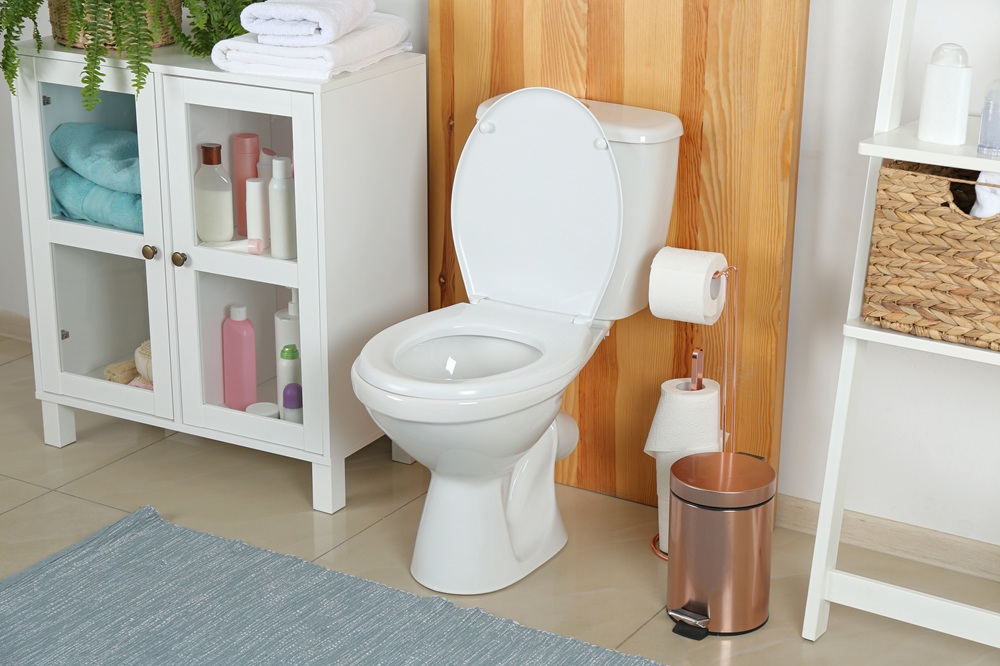
Your toilet is one of the hardest-working fixtures in your Colorado Springs home, and like most things that work hard every day, it eventually starts sending signals that something is wrong. The problem is that most homeowners either ignore those signals until a minor issue becomes a major repair, or they assume every symptom means they need a full replacement when a simple fix would do the job just fine.
This guide breaks down the most common toilet problems Colorado Springs homeowners deal with, what’s actually causing them, what they’re costing you if you let them go, and how to decide whether repair or replacement is the right call for your situation. Hard water from the Pikes Peak watershed, older housing stock in established neighborhoods, and the altitude-driven pressure variations that affect Colorado Springs plumbing all play a role in how and why toilets fail here, and that local context matters when you’re trying to diagnose what’s actually going on.
The Running Toilet: Your Most Expensive Plumbing Problem You’re Not Fixing
A running toilet is so common that most Colorado Springs homeowners have learned to tune out the sound. That’s a mistake. A toilet that runs continuously can waste anywhere from 30 to 200 gallons of water per day depending on the severity of the leak. At Colorado Springs Utilities’ current residential water rates, that translates to $10 to $70 per month in wasted water, every single month, until someone fixes it.
The three most common causes of a running toilet are all inexpensive to fix when caught early:
- Worn flapper: The flapper is the rubber seal at the bottom of the tank that drops down after a flush to allow the tank to refill. When it wears out, water trickles continuously from the tank into the bowl. In Colorado Springs, hard water mineral deposits accelerate flapper deterioration, meaning flappers often need replacement every two to three years rather than the five or more years you’d get in a softer-water market. A new flapper costs a few dollars and takes about ten minutes to install.
- Faulty fill valve: The fill valve controls how water enters the tank after a flush. When it fails, it either can’t shut off completely or takes so long to fill that the toilet appears to run intermittently. Fill valve replacement is a straightforward repair that restores normal tank refill time and stops the constant running sound.
- Float set too high: The float controls when the fill valve shuts off by rising with the water level in the tank. If it’s set too high, water reaches the overflow tube before the fill valve shuts off, causing a continuous trickle into the bowl. Adjusting the float is often a no-tools fix that takes under five minutes.
All three of these issues are worth repairing rather than replacing the toilet, especially if the unit is otherwise in good shape. The only scenario where a running toilet justifies replacement is if it’s symptomatic of a broader aging problem and the unit has multiple issues at once.
The Weak Flush: When Hard Water Is Working Against You
A toilet that struggles to clear the bowl completely, requires multiple flushes, or leaves residue behind is frustrating to live with and often gets blamed on the toilet being “old” when the actual culprit is mineral buildup.
Colorado Springs’ hard water, which registers between 6.6 and 10.8 grains per gallon depending on the source, deposits calcium and magnesium scale inside the rim jets, which are the small holes under the toilet’s rim that direct water flow during a flush. Over time, those deposits narrow the jets until water barely trickles through, reducing flush velocity and bowl coverage significantly. You can often see the buildup if you hold a mirror under the rim and shine a light at the jets.
Cleaning rim jets with a vinegar solution or a small brush restores flow in mild cases. In more severe cases where scale has built up over years, the jets may be partially or fully blocked and require professional cleaning or jet reaming to restore normal function.
Other causes of weak flush include:
- Low water level in the tank: If the water level is set too low, there isn’t enough water to create a strong flush. The water level should sit about an inch below the top of the overflow tube.
- Partial drain blockage: A partial clog in the drain line restricts the exit of water and waste, making every flush feel sluggish. If your toilet flushes slowly and drains slowly, the issue is likely downstream rather than in the toilet itself.
- Failing flush valve: The flush valve controls the release of water from the tank into the bowl during a flush. A warped or worn flush valve doesn’t open fully, reducing the volume and velocity of water available for each flush.
The Leaking Toilet: What You Can See vs. What You Can’t
Toilet leaks come in two categories: the ones you can see and the ones doing damage you won’t discover until something goes seriously wrong.
Visible Leaks
Water on the floor around the base of your toilet is the most obvious sign of a leak, and it almost always means the wax ring has failed. The wax ring is the seal between the toilet’s base and the floor flange that connects to your drain line. Every flush pushes a small amount of water past a failed wax ring and under your flooring, where it saturates the subfloor and eventually causes rot, mold, and structural damage.
Wax ring failure is usually caused by one of three things: age and deterioration, a toilet that rocks or shifts and has broken the seal mechanically, or a floor flange that has corroded, cracked, or dropped below the finished floor level. Replacing a wax ring requires pulling the toilet, which is a manageable job for a licensed plumber and takes about an hour in a straightforward case.
What’s not manageable is ignoring a base leak in a Colorado Springs home. The combination of consistent moisture, the mineral content in local water, and the temperature swings that affect our climate accelerate subfloor deterioration significantly compared to drier or more temperate markets. A leak that’s been seeping for six months can mean the difference between a $150 wax ring replacement and a $2,000 subfloor repair.
Hidden Leaks
A toilet can also leak silently from the tank into the bowl without any visible water on the floor. This type of leak is caused by a worn flapper and is often called a “phantom flush” because the tank refills periodically even when nobody has used the toilet. You can test for this by adding a few drops of food coloring to the tank and waiting 15 minutes without flushing. If color appears in the bowl, your flapper is leaking.
Silent leaks are the most common cause of unexpectedly high water bills in Colorado Springs homes. Because there’s no water on the floor and no obvious symptom beyond the faint sound of running water, homeowners often go months before connecting the bill spike to the toilet. If your Colorado Springs Utilities bill has crept up without an obvious explanation, a silent toilet leak is one of the first things to check.
The Rocking Toilet: A Small Problem With Big Consequences
A toilet that shifts, wobbles, or rocks when you sit on it is easy to dismiss as a minor annoyance, but it’s worth taking seriously. The rocking motion is usually caused by one of three things:
- Loose mounting bolts: The toilet is secured to the floor flange by two bolts on either side of the base. These bolts can loosen over time, particularly in Colorado Springs homes where seasonal temperature changes cause slight expansion and contraction in flooring materials. Tightening the bolts restores stability in many cases, though overtightening can crack the toilet’s porcelain base.
- Uneven floor: If the floor around the toilet isn’t perfectly level, the toilet will rock on its high points. Plastic toilet shims installed under the base solve this without requiring any plumbing work.
- Damaged floor flange: The floor flange is the fitting that connects the toilet’s drain to the drain pipe in the floor. If it’s cracked, corroded, or has pulled away from the floor, the toilet has nothing stable to anchor to. Flange repair or replacement is more involved than tightening bolts but is still a straightforward repair for a licensed plumber.
The reason a rocking toilet matters beyond the annoyance is that every time the toilet shifts, it stresses the wax ring seal. Over time, that repeated stress breaks the seal and creates the base leak described above. A rocking toilet that’s ignored today often becomes a subfloor repair six months from now.
Repair or Replace? How to Make the Right Call
This is the question most Colorado Springs homeowners are really asking when they call a plumber about a toilet problem, and the honest answer depends on several factors that go beyond just the age of the unit.
Repair Makes Sense When:
- The toilet is less than 15 years old and the issue is isolated to a single component like a flapper, fill valve, or wax ring
- The unit is structurally sound with no cracks in the tank or bowl
- The repair cost is significantly less than the cost of a new toilet plus installation
- The toilet is already a water-efficient model that meets current standards
Replacement Makes Sense When:
- The toilet is more than 15 to 20 years old and showing multiple issues at once
- The tank or bowl has visible cracks, even hairline ones that are currently seeping slowly
- The toilet has required two or more repairs in the past two years
- The unit uses 3.5 gallons per flush or more, which is common in Colorado Springs homes built before 1994
- The floor flange is severely damaged and the subfloor shows signs of water damage that requires opening up the floor anyway
If you’re on the fence, the water efficiency math is worth running. Replacing a pre-1994 toilet that uses 3.5 gallons per flush with a WaterSense-certified model that uses 1.28 gallons per flush can save a Colorado Springs household 15,000 to 20,000 gallons of water per year. Colorado Springs Utilities offers rebates on qualifying WaterSense toilets, which offset a portion of the replacement cost. Over three to five years, a new high-efficiency toilet often pays for itself through water savings alone.
When to Call a Plumber vs. Handle It Yourself
Some toilet repairs are genuinely within reach for a handy Colorado Springs homeowner. Replacing a flapper, adjusting a float, or tightening mounting bolts are all tasks that require basic tools and a willingness to turn off the water supply valve. A straightforward toilet swap on an existing flange in good condition is also manageable for someone with plumbing experience.
Call a licensed plumber when:
- The floor flange is cracked, corroded, or not level with the finished floor
- There’s evidence of subfloor water damage around the toilet
- You’re installing a toilet in a new location as part of a remodel or basement finish
- The drain is slow or backing up, suggesting a blockage further down the sewer line
- A smart toilet or bidet toilet requires an electrical connection near the fixture
- You’ve attempted a repair and the problem persists or has gotten worse
In Colorado Springs, permitted plumbing work also needs to meet Pikes Peak Regional Building Department standards, which means work beyond basic maintenance should be handled by a licensed plumber to ensure code compliance and protect your homeowner’s insurance coverage.
What WireNut Handles for Colorado Springs Homeowners
WireNut Home Services has been working in Colorado Springs homes since 2004 and expanded into full plumbing services in 2019. Our licensed plumbers diagnose toilet problems accurately, give you an honest assessment of whether repair or replacement makes more financial sense, and complete the work with upfront pricing and our Lifetime Workmanship Guarantee backing every job.
Whether you’re dealing with a running toilet that’s been annoying you for months, a base leak you just noticed, or a unit that’s simply past its useful life, we handle toilet repair and installation throughout Colorado Springs with the same attention to detail we bring to every plumbing job. Schedule online today and we’ll get it sorted.
Frequently Asked Questions About Toilet Repair and Replacement in Colorado Springs
Colorado Springs homeowners ask us these questions about toilet repair and replacement all the time.
How do I know if my toilet is leaking silently?
The easiest test is the food coloring method. Add several drops of food coloring to the tank and wait 15 minutes without flushing. If color appears in the bowl, your flapper is leaking and allowing tank water to seep into the bowl continuously. Another sign is a toilet that seems to refill on its own periodically even when nobody has used it, often called a phantom flush. Silent leaks are one of the most common causes of unexplained spikes on Colorado Springs Utilities water bills, and they’re almost always caused by a worn flapper that costs just a few dollars to replace.
Why is my toilet rocking and what should I do about it?
A rocking toilet is usually caused by loose mounting bolts, an uneven floor, or a damaged floor flange. Loose bolts can sometimes be tightened carefully without removing the toilet, but overtightening risks cracking the porcelain base. Plastic toilet shims handle minor floor unevenness. A damaged floor flange requires a plumber to pull the toilet and repair or replace the flange before reseating the unit. Don’t ignore a rocking toilet. Every time it shifts, it stresses the wax ring seal, and a broken wax ring leads to a base leak that damages your subfloor over time. What starts as a wobble can turn into a significant water damage repair if left unaddressed.
How much water does a running toilet waste?
A running toilet can waste anywhere from 30 to 200 gallons of water per day depending on the severity of the leak. At Colorado Springs Utilities’ current residential rates, that’s roughly $10 to $70 per month in wasted water. Over a year, a serious running toilet can add $840 or more to your water bill. The most common cause is a worn flapper that costs just a few dollars to replace, making a running toilet one of the highest-return plumbing repairs a Colorado Springs homeowner can make. If your water bill has been climbing without explanation, a running toilet is one of the first things to check.
What is a wax ring and how do I know if mine has failed?
A wax ring is the seal between the base of your toilet and the floor flange that connects to your home’s drain line. It creates a watertight connection that prevents sewer gases and waste water from escaping at the toilet’s base. Signs of a failed wax ring include water pooling around the base of the toilet after flushing, a spongy or soft feeling in the flooring around the toilet, a sewage smell in the bathroom, or visible staining on the floor around the toilet base. In Colorado Springs, wax ring failures are more common in older homes where the floor flange has corroded or in any home where the toilet rocks or shifts, which gradually breaks the seal over time.
Does Colorado Springs Utilities offer rebates on toilet replacement?
Yes. Colorado Springs Utilities offers rebates on qualifying WaterSense-certified toilets that use 1.28 gallons per flush or less. The rebate amount and qualifying models change periodically, so it’s worth checking the current CSU rebate program before purchasing. WireNut’s plumbers stay current on available incentives and can help you identify qualifying models that fit your bathroom’s rough-in distance and your household’s needs. When you factor in both the rebate and the long-term water savings from replacing a pre-1994 toilet, a new high-efficiency unit often pays for itself within three to five years.
How long should a toilet last in Colorado Springs?
A quality toilet can last 25 to 50 years structurally, but the internal components, including the flapper, fill valve, flush valve, and wax ring, need periodic replacement throughout that lifespan. In Colorado Springs, hard water from the Pikes Peak watershed accelerates wear on rubber components like flappers and seals, meaning internal parts often need attention every two to five years rather than the longer intervals you’d see in softer-water markets. If your toilet is more than 15 to 20 years old and requiring repeated repairs, the cumulative cost of continued maintenance often exceeds the cost of replacement with a modern water-efficient unit.
What’s the difference between a standard toilet and a comfort height toilet?
Standard toilets have a seat height of 15 to 17 inches, which is the traditional height that most bathrooms in older Colorado Springs homes are built around. Comfort height toilets, sometimes called ADA-compliant or chair-height toilets, have a seat height of 17 to 19 inches, which is closer to the height of a standard chair and significantly easier to use for taller adults, seniors, and anyone with mobility limitations. Comfort height toilets have become increasingly popular in Colorado Springs remodels and new builds over the past decade. The choice between the two comes down to personal preference and the primary users of the bathroom, and our plumbers can help you evaluate which option works best for your household during the selection process.