See our current specials →

8 HVAC Maintenance Tips to Prepare Your Home for Winter

Colorado Springs winters don’t ease you in gently. One week you’re enjoying a 60-degree afternoon and the next you’re waking up to single digits and a furnace that’s working harder than it has in months. At over 6,000 feet of elevation, with dramatic temperature swings between seasons and hard freezes that arrive fast on the Front Range, your HVAC system faces conditions that put real stress on components that haven’t been touched since last spring. The homeowners who stay warm and worry-free through a Colorado Springs winter are almost always the ones who handled their HVAC maintenance in September and October, before the first cold snap arrived.
Here are eight maintenance steps that make a meaningful difference in how your system performs when the temperature drops.
8 HVAC Maintenance Tips to Prepare Your Colorado Springs Home for Winter
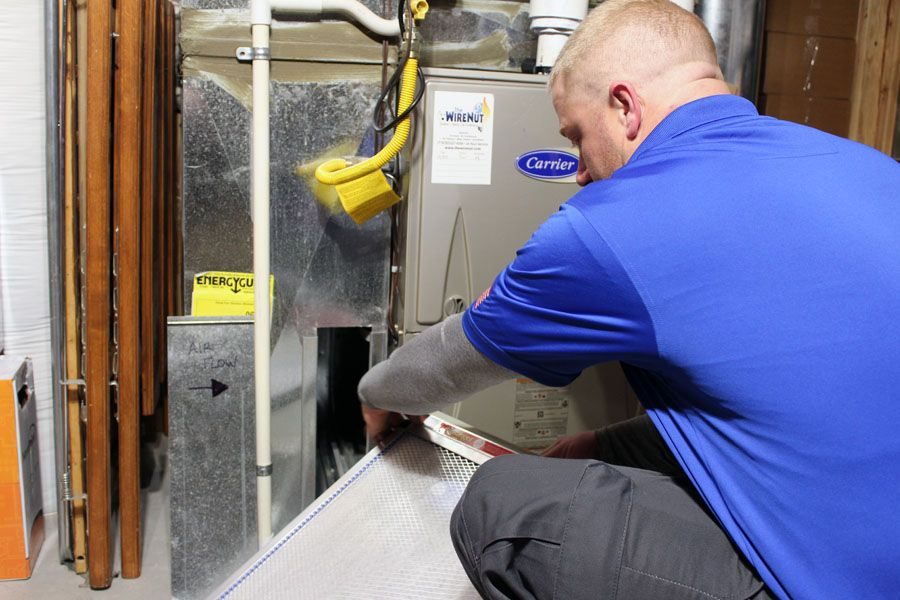
1. Replace Your Air Filter Before the Season Starts
Your air filter is the single most impactful maintenance item you can handle yourself, and it’s the one most commonly neglected. A clogged filter restricts airflow through your system, forcing your furnace to work harder to move heated air through the home. That added strain reduces efficiency, increases energy bills, and accelerates wear on the blower motor and heat exchanger over time.
In Colorado Springs, filter replacement matters more than it does in many other markets. The dry, windy environment on the Front Range means dust and particulate load on HVAC filters is higher than manufacturer replacement intervals, typically written for average conditions, account for. If your filter packaging says replace every three months, plan to check it every four to six weeks during heavy use periods and replace it when it looks gray rather than waiting for the calendar. Most Colorado Springs households running a furnace daily through winter are changing filters every four to six weeks rather than every three months.
If you’re not sure which filter to use, a MERV 8 to 11 rated filter strikes the right balance between filtration efficiency and airflow for most residential HVAC systems. Higher MERV ratings filter more particles but restrict airflow more significantly, which can cause the same problems as a dirty filter if your system isn’t designed for the increased resistance.
2. Schedule a Professional Furnace Tune-Up
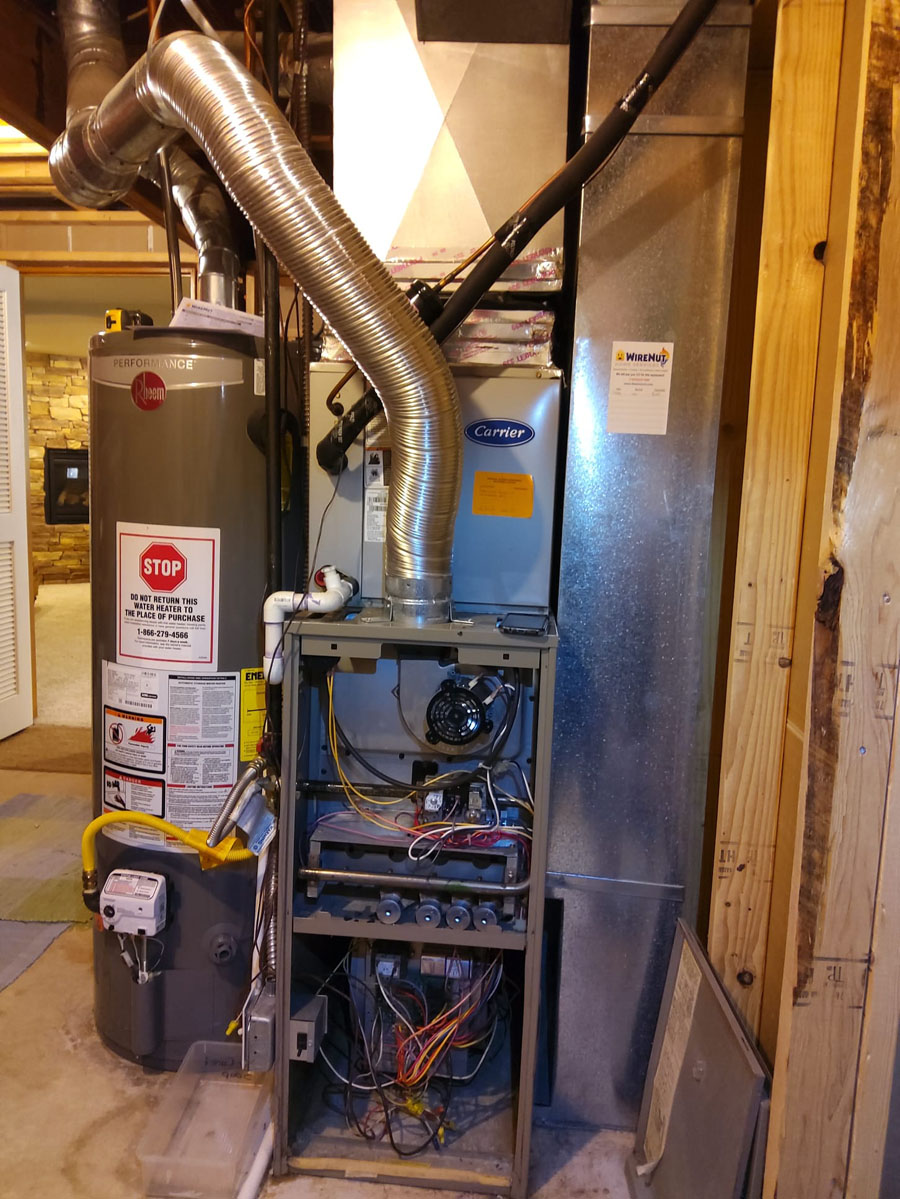
An annual furnace tune-up is the most important single thing you can do for your heating system’s reliability and longevity, and September through early October is the right time to schedule it in Colorado Springs before the pre-season rush fills up service calendars.
A professional tune-up covers the components that homeowners can’t safely or effectively inspect themselves: burner cleaning and combustion analysis, heat exchanger inspection for cracks, igniter testing, flue inspection for blockages and proper draft, blower motor lubrication and belt inspection, thermostat calibration, and safety control testing. The heat exchanger inspection deserves particular attention because a cracked heat exchanger can allow combustion gases including carbon monoxide to enter your living space, and it’s a condition that produces no obvious symptoms until it’s detected with proper equipment.
At Colorado Springs elevation, furnace combustion efficiency is already reduced compared to sea level due to thinner air. A tune-up that optimizes burner performance for altitude conditions keeps your system running as efficiently as the conditions allow. Schedule your annual furnace service with WireNut before the first cold snap arrives.
3. Clear and Inspect Your Vents and Registers
Walk through your home and check every supply and return register before the heating season starts. Furniture, rugs, curtains, and stored items pushed against walls frequently end up blocking registers without anyone noticing, and even a partially blocked register creates pressure imbalances that reduce system efficiency and can cause uneven heating throughout the home.
While you’re checking registers, look for dust and debris buildup on the register grilles themselves. Heavy buildup on return air registers is a sign that your filter isn’t catching everything it should and that your ductwork may need attention. If you notice musty odors when the heat runs for the first time each season, or if some rooms consistently heat less effectively than others, air duct cleaning is worth considering to clear accumulated dust, debris, and potential mold growth from the duct system before you’re circulating it through your home all winter.
4. Test and Calibrate Your Thermostat
Switch your thermostat from cooling to heating mode before you need it for the first time and run a test cycle to confirm the furnace responds correctly. A thermostat that worked fine in the spring doesn’t always transition back to heating mode without issues, particularly older mechanical thermostats or smart thermostats that may need a settings adjustment after a firmware update.
If your Colorado Springs home still has an older mechanical or non-programmable thermostat, the start of heating season is an ideal time to consider upgrading to a smart or programmable model. Smart thermostats learn your schedule and adjust heating patterns automatically, which is particularly valuable in Colorado Springs where the difference between a mild afternoon and a cold evening can mean your system needs to ramp up significantly in a short period. A properly programmed smart thermostat typically reduces heating costs by 10 to 15 percent compared to a manually managed system, which adds up meaningfully over a Colorado Springs winter. WireNut handles thermostat installation and calibration alongside any furnace service.
5. Inspect and Seal Drafts Around Doors and Windows
Your furnace can only keep your home warm if your home’s envelope is reasonably tight. Drafts around doors, windows, and other penetrations in the building envelope force your heating system to run longer and work harder to maintain the set temperature, which increases energy costs and accelerates wear on system components.
Walk the perimeter of your home on a cold day and feel for cold air infiltration around window frames, door sweeps, and any area where pipes, wires, or vents penetrate exterior walls. Weatherstripping around doors and caulking around window frames are inexpensive fixes that make a disproportionate difference in heating efficiency. In Colorado Springs older homes with original single-pane windows or doors that haven’t been updated, draft sealing is one of the highest-return investments available relative to its cost.
Pay particular attention to the area around your furnace’s combustion air intake and exhaust vents if your system is a high-efficiency condensing furnace with PVC flue pipes. These pipes need to be clear of debris, ice, and blockages, and the area around where they penetrate the wall should be sealed to prevent cold air from entering the mechanical room.
6. Clean Around Your Furnace and Mechanical Room
The area immediately around your furnace needs clear space for combustion air intake, proper airflow, and safe access for service. A furnace surrounded by stored boxes, holiday decorations, paint cans, and other household items is a fire hazard and a maintenance problem. Clear a minimum of two feet around the unit on all sides and make sure nothing is stored directly against or on top of the furnace cabinet.
While you’re in the mechanical room, check for any signs of rust, corrosion, or moisture around the furnace base, the flue connection, and any visible ductwork connections. Minor surface rust on the exterior cabinet is usually cosmetic, but rust around the flue collar or at ductwork seams can indicate moisture problems worth investigating before the heating season begins in earnest.
7. Protect Your AC Condenser for Winter
Colorado Springs winters are hard on outdoor equipment. Your air conditioning condenser sits outside through months of freeze-thaw cycles, wind-driven debris, heavy snow loads, and the occasional hail event, and while modern condensers are designed for outdoor exposure, taking a few protective steps in the fall extends the unit’s lifespan and reduces the chance of a repair call when you need cooling again in the spring.
Clear any leaves, twigs, or debris from around the base of the unit and from between the condenser coil fins. Debris that packs against the fins over winter creates moisture retention and corrosion. A fitted condenser cover provides protection from debris and helps prevent rodents from nesting inside the unit during winter months, which is a more common problem in Colorado Springs than most homeowners expect given the wildlife in and around the city. Make sure to remove the cover before running the system in spring. Running an AC with the condenser covered is one of the fastest ways to damage a compressor.
8. Evaluate Your System’s Age and Efficiency
The start of heating season is a good time to have an honest conversation with yourself about where your furnace is in its lifecycle. The average gas furnace in Colorado Springs lasts 15 to 20 years with consistent maintenance, and systems on the older end of that range are worth evaluating rather than simply maintaining and hoping for another winter.
An aging furnace doesn’t just risk an inconvenient breakdown on a cold January night. It also operates at declining efficiency as heat exchanger surfaces degrade, burners lose calibration, and components accumulate wear. A furnace that was 80 percent efficient when it was installed may be operating at 65 to 70 percent efficiency after 15 years, which shows up directly on your Black Hills Energy or Colorado Springs Utilities bill every month through the winter. Modern high-efficiency furnaces operate at 95 to 98 percent efficiency, which represents a meaningful reduction in operating costs that helps offset the replacement investment over time.
If your furnace is approaching or past the 15-year mark, schedule a professional evaluation before winter rather than after a breakdown. WireNut’s technicians will give you an honest assessment of your system’s remaining lifespan and efficiency, and if replacement makes sense, we’ll help you select the right system for your home’s size and Colorado Springs climate zone. Explore your furnace replacement options or schedule an evaluation online.
Don’t Wait Until the First Cold Snap
The most expensive HVAC repair in Colorado Springs is almost always the emergency one. A furnace that breaks down on a Friday night in January when the temperature is dropping toward zero and every HVAC company in town has a full schedule is a worse situation in every way than the same repair handled proactively during a September tune-up. The maintenance steps above take a few hours of your time and a reasonable investment in professional service, and they pay back in reliability, efficiency, and peace of mind through every Colorado Springs winter.
WireNut Home Services handles furnace tune-ups, filter replacements, thermostat upgrades, duct cleaning, and full system evaluations for Colorado Springs homeowners. Schedule your pre-season HVAC service online today and we’ll make sure your system is ready before Colorado Springs winter arrives.
Frequently Asked Questions About HVAC Winter Maintenance
When should I schedule my furnace tune-up in Colorado Springs?
September through early October is the ideal window for a furnace tune-up in Colorado Springs. That timing gives you enough lead time before the first serious cold snap to address anything the tune-up uncovers, and it puts you ahead of the pre-season rush that fills HVAC service calendars in late October and November. Colorado Springs weather is unpredictable enough that a warm October can turn into a hard freeze almost overnight, and having your furnace professionally serviced before that happens means you’re not scrambling for an emergency appointment when every other homeowner in the city is doing the same thing. WireNut recommends booking your annual furnace tune-up in late summer or early fall as a standing habit rather than waiting until the heating season is already underway.
How often should I change my furnace filter in Colorado Springs?
More often than the packaging suggests. Most filter manufacturers write replacement intervals for average conditions, and Colorado Springs is not an average environment. The combination of high altitude, dry air, and the windy Front Range setting means dust and particulate load on residential HVAC filters is higher here than in many other markets. A filter rated for three-month replacement in average conditions may need replacement every four to six weeks during heavy heating season use in a Colorado Springs home. The most reliable approach is to check your filter monthly during heavy use periods and replace it when it looks gray rather than white, regardless of how recently it was installed. Homes with pets, recent construction nearby, or occupants with allergies should check even more frequently.
Why does my furnace smell when I first turn it on for the season?
A brief burning smell when you run your furnace for the first time each heating season is normal and typically nothing to worry about. Dust that has settled on the heat exchanger, burners, and ductwork during the months the system was dormant burns off when the furnace fires up, producing a dusty or slightly smoky odor that usually dissipates within the first hour of operation. If the smell is strong, persists beyond the first run cycle, or has a chemical or electrical burning quality rather than a dusty one, that’s worth paying attention to. A persistent burning smell can indicate a more serious issue like a cracked heat exchanger, an electrical problem with the blower motor, or something in the ductwork that shouldn’t be there. If you’re unsure whether what you’re smelling is normal seasonal burn-off or something more concerning, schedule a professional inspection rather than running the system and hoping it resolves on its own.
Does Colorado’s altitude affect my furnace performance?
Yes, significantly. At Colorado Springs elevation of approximately 6,035 feet, the air is thinner than at sea level, which means there’s less oxygen available for combustion. Furnaces are rated for their output at sea level conditions, and the general rule is a reduction in heating output of approximately 4 percent for every 1,000 feet of elevation above sea level. That means a furnace rated at 80,000 BTUs at sea level is effectively delivering closer to 60,000 BTUs in Colorado Springs. This is one of the reasons proper furnace sizing for Colorado Springs homes requires a Manual J load calculation rather than a simple square footage estimate, and it’s why working with a local HVAC technician who understands altitude derating matters more here than it would in a lower-elevation market. Regular tune-ups that optimize burner combustion for altitude conditions help your system perform as efficiently as the conditions allow.
Should I cover my AC condenser in winter?
A fitted condenser cover provides reasonable protection from debris accumulation, hail, and rodent nesting during Colorado Springs winters, and most HVAC technicians consider it a worthwhile precaution for the climate. That said, there are a few important caveats. The cover needs to be a fitted cover designed for your specific condenser model, not a tarp or plastic sheet that traps moisture and creates conditions for corrosion. It also needs to be removed completely before you run the AC in spring. Running an air conditioner with the condenser covered even briefly can cause serious compressor damage. If you’re concerned about forgetting to remove it, put a note on your thermostat or set a spring reminder. Some HVAC technicians prefer not to cover condensers at all because of the moisture trapping risk, so this is ultimately a judgment call based on your specific unit and how reliably you’ll remember to uncover it in the spring.
How do I know if my furnace is losing efficiency?
There are several signals worth paying attention to. The most direct indicator is your heating bill. If your Black Hills Energy or Colorado Springs Utilities bill is climbing year over year during similar weather conditions without a corresponding increase in usage, declining furnace efficiency is a likely contributor. Other signs include longer run cycles to reach the same set temperature, uneven heating where some rooms are comfortable and others stay cold, more frequent cycling on and off, and increased dust in the home from a system that’s moving air less effectively. An aging furnace that’s running more often but delivering less heat is consuming more energy for the same output, and that gap between consumption and output typically widens as the system ages. A professional efficiency evaluation during your annual tune-up can quantify how your system is performing relative to its rated output and help you make an informed decision about whether maintenance, repair, or replacement makes the most sense.
What temperature should I set my thermostat to in winter to save energy in Colorado Springs?
The Department of Energy recommends 68 degrees Fahrenheit when you’re home and awake, with setbacks to 60 to 65 degrees when you’re sleeping or away. In Colorado Springs, the calculus is slightly different than it is in milder climates because the temperature differential between a cold night and a comfortable interior is larger here, and the energy required to recover from a significant setback is higher. Aggressive setbacks in very cold weather can actually be less efficient than a modest consistent temperature because the system has to work hard to recover, and in older Colorado Springs homes with less insulation, the interior temperature can drop faster than a thermostat setback accounts for. A smart thermostat that learns your schedule and adjusts gradually rather than making sharp setback and recovery swings is a more efficient approach in Colorado Springs than a simple programmable thermostat with dramatic temperature swings. WireNut handles thermostat installation alongside any furnace service if you’re ready to upgrade.