See our current specials →

Signs Your Furnace Is Begging for a Tune Up
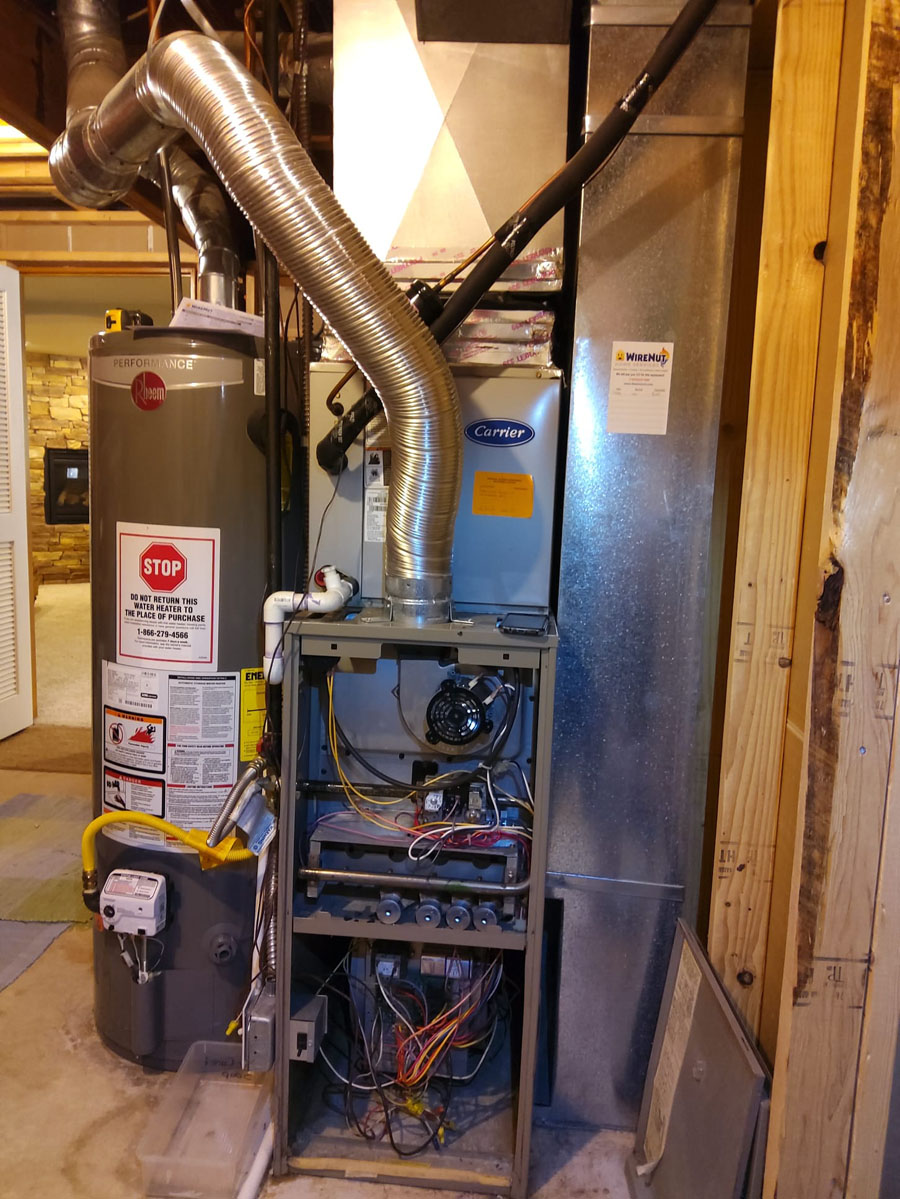
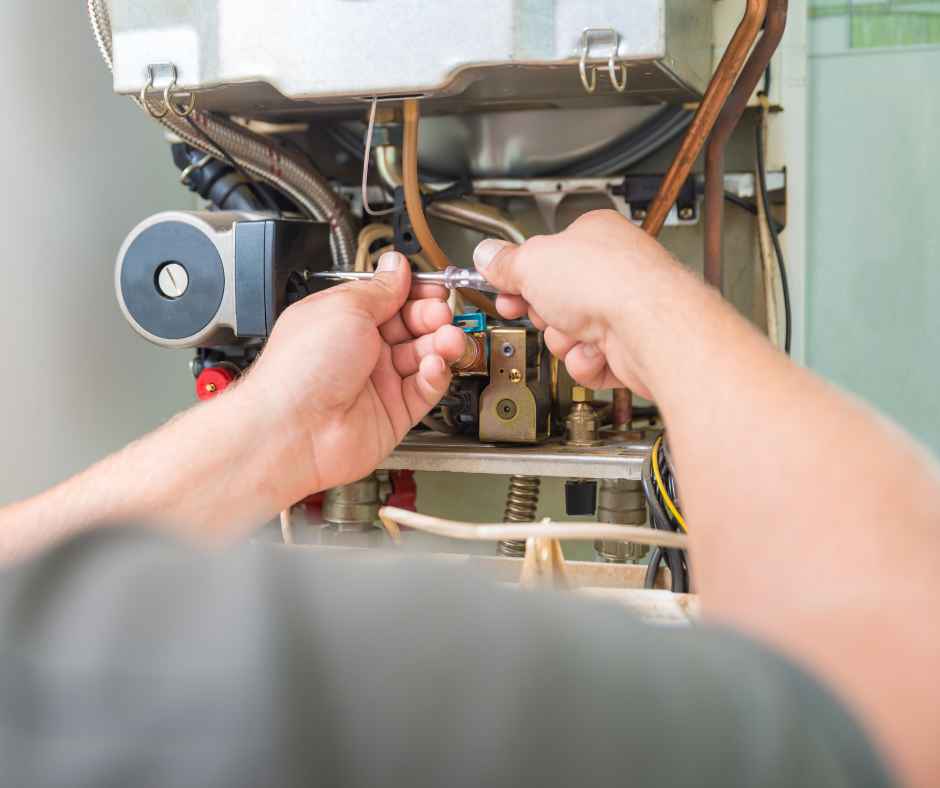
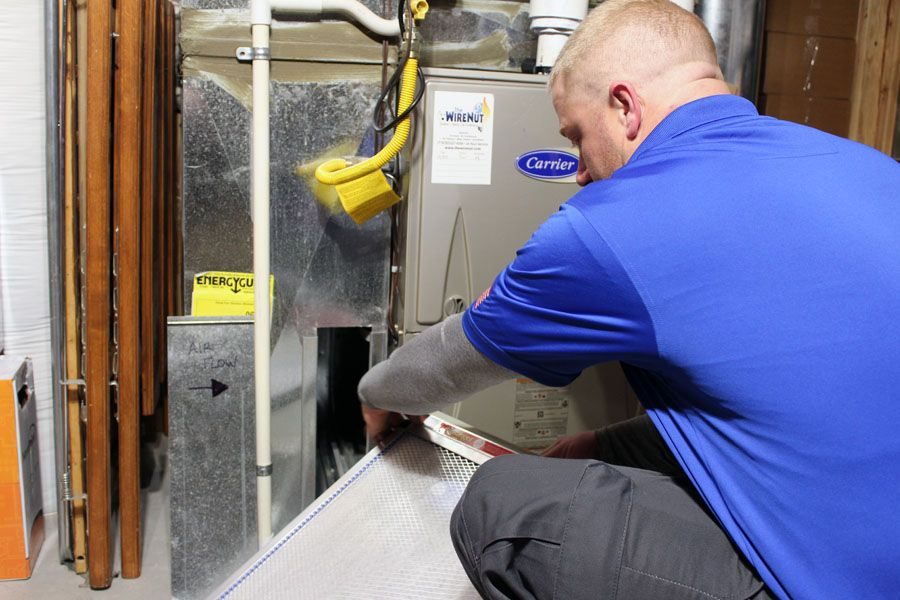
Your furnace doesn’t get a lot of glory. It just sits down there in the basement or tucked in a closet, quietly doing its job all winter, and you don’t think about it until it stops working at 11pm on the coldest night of the year. Sound familiar?
The good news is your furnace usually gives you a heads up before it fully quits on you. You just have to know what to look and listen for. Here in Colorado Springs, where the temperature can swing 40 degrees in an afternoon, your heating system works harder than most, which means the warning signs show up a little sooner too. Here’s what to watch for, and why each one matters more than you might think.
It smells a little off
A faint dusty smell the first time you fire it up for the season is normal. That’s just summer dust burning off the heat exchanger, and it usually clears up within an hour or two. But if the smell sticks around, or it starts smelling more like something is burning, has a metallic edge, or reminds you faintly of rotten eggs, that’s your furnace waving a flag you shouldn’t ignore.
A persistent burning smell can point to dust buildup on internal components, a wiring issue, or a motor that’s working too hard. A rotten egg smell is a different story entirely and usually means a gas leak, which is not a wait and see situation. If you ever smell gas, leave the house and call your gas company before you call anyone else. Everything else on this list can wait for a scheduled appointment. That one can’t.
Your energy bill jumped for no reason
If your heating bill is climbing but your usage hasn’t really changed, your furnace might be working overtime to make up for dirty filters, a clogged burner, or parts that just aren’t running as efficiently as they used to. Furnaces lose efficiency gradually, so it’s easy to not notice until you compare this year’s bill to last year’s and wonder what happened.
A furnace tune up gets the whole system back to running the way it’s supposed to, which usually means a real, noticeable drop in your monthly bill. It’s one of the few home maintenance costs that can pay for itself.
Some rooms are freezing and others aren’t
Uneven heating around the house is a classic sign that airflow or ductwork issues are throwing your system off balance. Sometimes it’s simple, like a dirty filter restricting airflow to certain rooms. Sometimes it points to something bigger, like a blower motor that’s struggling or ductwork that needs attention. Either way, a tune up is the fastest way to find out which one you’re dealing with.
This is especially common in older Colorado Springs homes with additions or converted spaces, where the original ductwork was never quite designed for how the house is used today. If you’ve got a bonus room, converted garage, or finished basement that never seems to warm up right, mention it when you book. A good technician will check airflow to that specific area, not just the system as a whole.
It’s making noises it didn’t used to make
Banging, rattling, squealing, or a clicking sound that repeats over and over. Furnaces aren’t silent, but they shouldn’t sound like they’re auditioning for a haunted house either. Here’s a quick way to think about the noises:
- A loud bang on startup can mean a delayed ignition, where gas builds up before it lights.
- Squealing usually points to a belt or motor bearing that’s wearing out.
- Rattling is often just a loose panel, but it can also mean something is coming loose internally.
- Clicking that continues past startup can be a sign of a failing ignitor or control board.
None of these mean disaster is imminent, but all of them mean it’s time to get it looked at before the noise turns into a no-heat morning.
It’s been more than a year since anyone looked at it
This one’s easy to forget. Furnaces are a lot like cars. They run fine right up until the day they don’t, and most of what causes a breakdown is preventable with a yearly check. Manufacturers actually build their warranties around this assumption, and skipping annual maintenance can quietly void coverage you’re paying for but not using.
If you genuinely can’t remember the last time someone serviced yours, that’s your answer. A good rule of thumb is to book your furnace tune up in early fall, before the first real cold snap, so you’re not competing with every other homeowner in Colorado Springs who waited until their heat stopped working.
The pilot light or flame looks weird
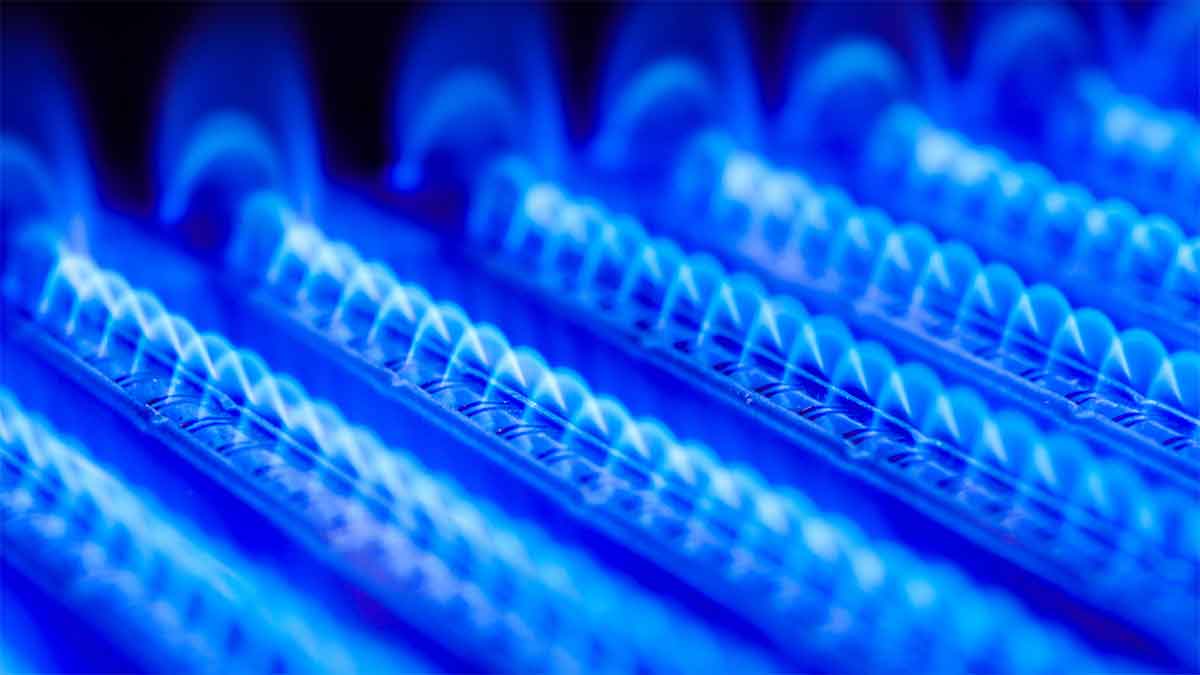
If you have an older system with a visible flame, it should burn blue and steady, like a gas stove burner. A flickering, yellow, or orange flame can be a sign of incomplete combustion, which means your furnace could be producing carbon monoxide instead of burning cleanly. That’s not a wait and see kind of issue. If you notice this, turn off the furnace and get it inspected right away, and make sure your carbon monoxide detectors are working while you wait.
Your thermostat and furnace seem to disagree
If you set the thermostat to 70 and the house never quite gets there, or the furnace runs constantly without ever seeming to catch up, something is off. It could be as simple as a thermostat that needs recalibrating, or it could mean the furnace itself is undersized, aging, or struggling with one of the issues above. Either way, a technician can figure out whether the fix is a five minute adjustment or something more involved.
The air coming out feels weak
Stand near a vent when the furnace kicks on. If the airflow feels weaker than you remember, or noticeably weaker than it does in other rooms, that’s worth mentioning during a tune up. Weak airflow is often tied to a dirty filter or blower issue, both of which are quick fixes once someone’s actually looked at the system.
Why Colorado Springs winters are extra hard on furnaces
Altitude plays a bigger role in furnace performance than most homeowners realize. At over 6,000 feet, the air is thinner, which affects combustion efficiency and how hard your system has to work to produce the same amount of heat you’d get at sea level. Add in the dramatic temperature swings we get here, warm and sunny one afternoon and well below freezing that same night, and your furnace is cycling on and off more often than it would in a more stable climate.
All that extra cycling adds wear to components like the ignitor, blower motor, and heat exchanger faster than you’d expect. It’s part of why annual maintenance matters more here than it might in a milder climate. A furnace that could coast along for years with minimal attention somewhere else needs a little more looking after when it’s working this hard every winter.
Common furnace tune up myths worth clearing up
There are a few ideas about furnace maintenance that tend to stick around even though they’re not quite true. Here are the big ones.
“My furnace is new, so it doesn’t need maintenance yet.” New systems still need annual attention. Manufacturer warranties often require documented maintenance to stay valid, and small issues can show up even in the first year or two.
“If it’s still working, it doesn’t need a tune up.” A furnace can be technically working while running well below its actual efficiency. You might not notice until you compare bills or a technician points out what’s been quietly wearing down.
“Changing the filter is basically the same as a tune up.” Filters matter, but they’re one piece of a much bigger system. A tune up covers ignition, combustion, electrical connections, safety controls, and airflow, all of which a filter swap doesn’t touch.
“I’ll just wait until something breaks.” This is the most expensive approach by far. Emergency repairs cost more than scheduled maintenance, and they tend to happen at the worst possible time, like the first genuinely cold week of the season when every HVAC company in Colorado Springs is booked solid.
How often should you actually get one
Once a year is the standard recommendation, ideally in early fall before your furnace has to work hard for the first time that season. If your furnace is older, gets heavy use, or you’ve noticed any of the signs above, it’s worth checking in more often, even if that just means a quick call to ask whether it’s worth a visit.
Homes with pets, homes that run the furnace nearly nonstop through winter, and older systems all tend to benefit from slightly more frequent attention. If you’re not sure where yours falls, that’s a perfectly good question to ask during your next appointment.
Don’t wait for it to actually break
A furnace tune up is a small thing that saves you from a much bigger headache later, especially with how cold Colorado Springs winters get. Catching a small issue now is a lot cheaper and a lot less stressful than an emergency repair in January, when every other furnace in town seems to pick the same week to give out.
Think of it this way: a tune up usually runs a fraction of what an emergency repair or full furnace replacement costs, and it takes a fraction of the time too. It’s one of the few home maintenance tasks where the upside is almost entirely in your favor.
Quick answers to questions we hear a lot
How long does a furnace tune up take? Most appointments run about an hour to ninety minutes, depending on the age and condition of your system.
Can a tune up actually prevent a breakdown? Not every breakdown, but most of the common ones. Catching a worn ignitor or a dirty flame sensor during a scheduled visit is a lot better than discovering it the hard way at 6am.
Is it worth it for a newer furnace? Yes. Newer systems still benefit from cleaning, calibration, and a safety check, and it helps protect your warranty coverage.
What if my furnace is making noise but still heating fine? Get it checked anyway. Noise is almost always an early warning, and it’s a lot easier to fix the cause than to wait for it to become the reason your heat stops working.
What to do between now and your appointment
While you wait for your tune up, there are a couple of things you can safely check yourself. Swap out your air filter if it’s been more than 90 days, since a clogged filter is the single most common cause of a lot of the symptoms above. Make sure vents throughout the house are open and not blocked by furniture or rugs. And if you have a programmable thermostat, double check the schedule to make sure it’s actually set the way you think it is. None of this replaces a professional tune up, but it can rule out the easiest fixes before your technician even shows up.
If your furnace is doing any of the things on this list, or if you’re just not sure and would rather ask than guess, that’s exactly what a furnace tune up is for. And if you’re the type who likes to stay ahead of the seasons, our winter HVAC prep checklist is a good next read.
Notice your furnace doing any of these things? Let’s get it sorted before the temperature really drops. Schedule your furnace tune up with WireNut today.