See our current specials →

Does Your Colorado Springs Home Need a New Electrical Panel? Here’s How to Tell
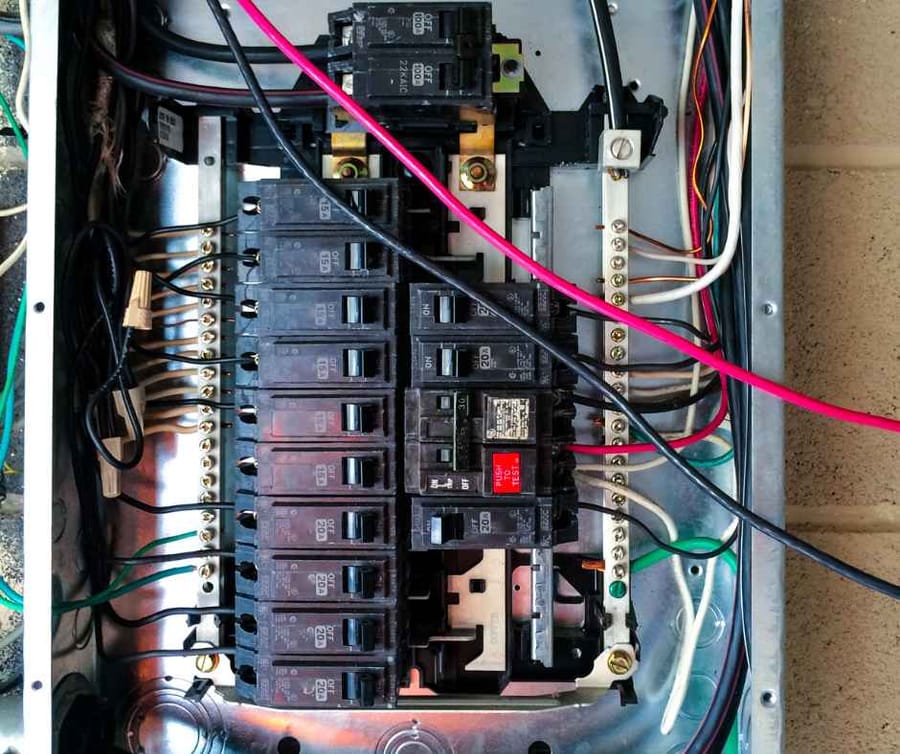
Your electrical panel is easy to ignore. It sits in a utility closet or garage corner, does its job quietly, and most homeowners never think about it until something goes wrong. The problem is that when something does go wrong at the panel level, it tends to go wrong in ways that are either expensive, dangerous, or both.
In Colorado Springs, the age and condition of residential electrical panels varies dramatically from neighborhood to neighborhood. Older areas like Broadmoor, Old Colorado City, and Ivywild have homes with panels that were installed decades ago and have never been touched. Newer developments in Banning Lewis Ranch and Powers Corridor have more modern infrastructure, but even those homes are now adding EV chargers, whole-home generators, and smart systems that push electrical loads beyond what original panels were sized for. Knowing whether your panel needs repair, replacement, or just a closer look is information every Colorado Springs homeowner should have.
How Long Do Electrical Panels Last?
Most residential electrical panels are designed to last 25 to 40 years under normal operating conditions. That’s a wide range, and the actual lifespan depends on the quality of the original installation, how much the electrical load in the home has changed over time, and whether the panel has been exposed to moisture, heat, or physical damage.
What that lifespan doesn’t account for is the dramatic shift in residential electrical demand over the past few decades. A panel installed in 1985 was sized for a home running a refrigerator, a few window AC units, maybe a washer and dryer, and general lighting. That same panel in 2026 is now being asked to handle central air conditioning, a heat pump, smart home devices, multiple large-screen TVs, home office equipment, and possibly an EV charger. The panel hasn’t changed. The load has.
If your panel is approaching or past the 30-year mark, it’s worth having a licensed electrician take a look regardless of whether you’re experiencing symptoms. What’s inside the box tells a different story than what you can see from the outside.
Signs Your Panel Needs Attention
Some panel problems announce themselves loudly. Others are easy to dismiss as minor annoyances. Here’s what to take seriously.
Breakers That Trip Repeatedly
A breaker that trips once is doing its job. A breaker that trips repeatedly on the same circuit, or that won’t hold after being reset, is telling you something is wrong. The cause could be an overloaded circuit, a short in the wiring, or a breaker that has worn out and can no longer hold its rated load reliably. In Colorado Springs homes where electrical loads have grown significantly since the panel was installed, overloaded circuits are one of the most common findings when a licensed electrician opens the box.
The mistake most homeowners make is resetting the breaker repeatedly without investigating why it’s tripping. A breaker that won’t stay on is not a nuisance to work around. It’s a signal that something in the system is drawing more current than that circuit was designed to handle, and continuing to reset it without addressing the underlying cause creates a real fire risk over time.
Flickering or Dimming Lights
Lights that flicker when you turn on a large appliance, or that dim noticeably when the AC kicks on, usually indicate that your panel is struggling to handle the load. This is different from a single flickering bulb or a light that dims in one room. Whole-home dimming or flickering across multiple circuits points to a panel that’s operating at or near its capacity limit.
In older Colorado Springs homes, this symptom is frequently the first visible sign that a panel upgrade is overdue. The panel isn’t failing yet, but it’s working harder than it should, and the margin between normal operation and a real problem is narrowing.
Burning Smell or Warm Panel Cover
A burning smell near your electrical panel, or a panel cover that’s warm to the touch, is a serious warning sign that warrants an immediate call to a licensed electrician. These symptoms typically indicate arcing inside the panel, a connection that’s running hot due to corrosion or a loose terminal, or a breaker that’s failing under load. None of these are situations where a wait-and-see approach is appropriate.
In Colorado Springs homes with original panels from the 1960s and 70s, heat and arcing at the panel level are not uncommon findings. Decades of thermal cycling, loosening connections, and increasing loads create conditions that can develop slowly before manifesting as a burning smell or warm cover. If you’re noticing either, stop using the affected circuits and call for service.
Buzzing or Crackling Sounds
Electrical panels should operate in near-silence. A buzzing sound from the panel usually indicates a breaker that’s under stress or failing. A crackling or popping sound is more serious and often points to arcing inside the enclosure. Both warrant a professional inspection. Neither gets better on its own.
You’re Running Out of Circuit Space
If every slot in your panel is occupied and you need to add a circuit for a new appliance, an EV charger, or an addition, you have a capacity problem regardless of how well the panel is otherwise functioning. Some panels allow tandem breakers that fit two circuits into a single slot, but this only works with specific panel brands and configurations and doesn’t address underlying amperage limits. If your panel is full and your home’s electrical needs are growing, replacement is almost always the right answer rather than creative workarounds.
Your Home Still Has a Fuse Box
Fuse boxes were the standard in homes built before the 1960s. If your Colorado Springs home still has one, replacement isn’t a question of if but when. Fuse boxes can’t be safely upgraded to handle modern electrical loads, they don’t provide the same level of protection that modern circuit breakers do, and many insurance carriers now require replacement as a condition of coverage. If you’re not sure what type of panel your home has, a licensed electrician can tell you in minutes.
The Federal Pacific and Zinsco Problem
This section deserves its own heading because it affects a significant number of Colorado Springs homes and the stakes are higher than a typical aging panel situation.
Federal Pacific Electric made a panel called the Stab-Lok that was widely installed in homes built between the 1950s and the 1980s. Zinsco made a similar panel during the same era, also sold under the Sylvania name. Both brands have documented histories of breakers failing to trip correctly under overload conditions. When a breaker doesn’t trip the way it’s supposed to, the circuit it’s protecting continues to carry current beyond its rated capacity. That’s how electrical fires start.
These panels are still present in a meaningful number of older Colorado Springs homes, particularly in neighborhoods where the housing stock hasn’t been significantly updated. If your home was built between 1950 and 1985 and you don’t know what brand of panel you have, it’s worth finding out. An electrician can identify the panel brand in seconds. If you have a Federal Pacific or Zinsco panel, the standard professional recommendation is replacement, not repair, regardless of whether you’re currently experiencing symptoms. Some insurance carriers now exclude coverage for homes with these panels or require replacement as a condition of policy renewal.
Panel Repair vs. Panel Replacement: How to Know Which One You Need
Not every panel problem requires a full replacement. Understanding the distinction can help you have a more informed conversation with a licensed electrician and avoid being pushed toward a larger project than your situation actually requires.
Panel repair makes sense when the problem is isolated to a specific component. A single failed breaker, a loose terminal connection, a double-tapped circuit that needs to be properly separated, or a wiring issue confined to one section of the panel are all situations where repair is the appropriate path. The panel itself is sound; something inside it needs attention.
Panel replacement makes sense when the panel has reached the end of its useful life, when it’s a recalled brand with a documented defect history, when the amperage capacity is insufficient for the home’s current or planned electrical load, or when repair would address a symptom without solving an underlying condition that’s going to resurface. It also makes sense when the cost of continued repairs is approaching the cost of replacement, which tends to happen with panels that are old enough to have multiple components failing in sequence.
The honest answer is that you need a licensed electrician to open the panel and assess what’s actually there. What’s visible from the outside, a few tripped breakers, some flickering lights, doesn’t tell you enough to make a confident repair-vs-replace call on your own. What the electrician finds inside the enclosure does.
What Panel Replacement Actually Involves
A lot of Colorado Springs homeowners put off panel replacement because they assume it’s a multi-day project that tears up the house. In most cases, it’s a single-day job. Here’s what to expect.
The process starts with a load assessment to size the new panel correctly. Most Colorado Springs homes are well served by a 200-amp panel, which is the current residential standard and provides enough capacity for modern appliances, HVAC systems, and future additions like EV charging. Homes with higher electrical demands may warrant a larger service.
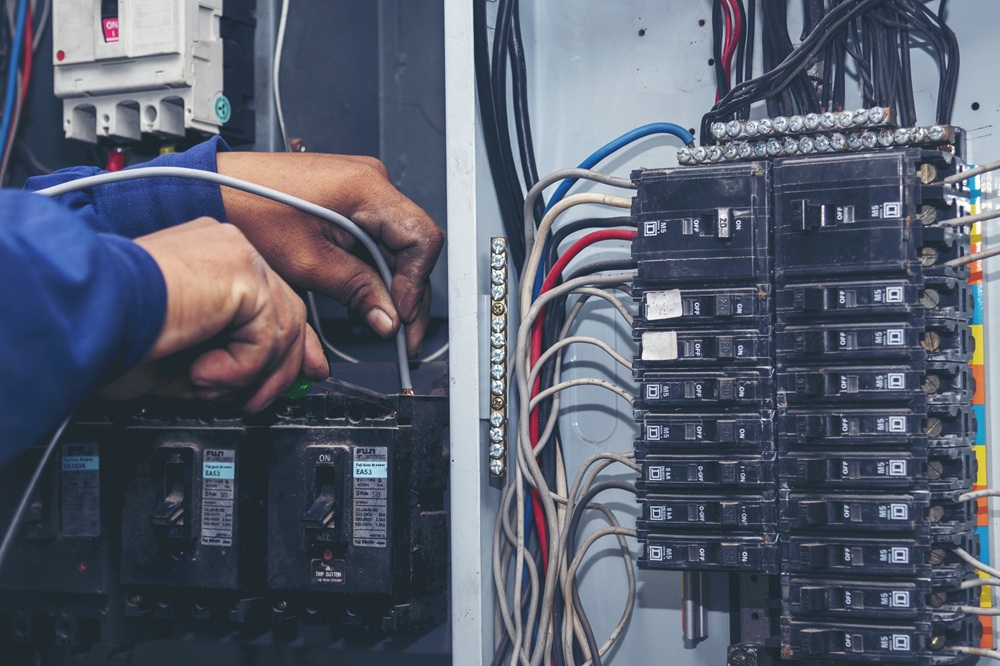
On installation day, your power will be off for the duration of the work, typically four to eight hours. The electrician removes the old panel, installs the new one, reconnects every circuit, labels the breakers, and tests everything before the cover goes back on. A permit is pulled beforehand, and a city inspection is scheduled after the work is complete. In Colorado Springs, panel replacement requires coordination with Colorado Springs Utilities or Black Hills Energy depending on your service area, which a licensed electrician handles as part of the job.
When it’s done, you have a panel that’s sized for your home’s actual needs, labeled so every circuit is identifiable, and inspected to current code. That’s a different situation than patching around a panel that’s been quietly struggling for years.
What It Costs and Whether It’s Worth It
A standard 200-amp panel replacement in a Colorado Springs home with wiring in good condition typically runs between $1,500 and $3,000 all in, including permits and inspection. Homes that need service upgrades or circuit corrections will see higher costs depending on scope.
The math on whether it’s worth it usually isn’t complicated. A panel that’s causing recurring breaker trips, limiting your ability to add circuits, or creating a safety condition that your insurance carrier is flagging is already costing you something, whether that’s in service calls, restricted electrical capacity, or coverage risk. A properly sized, modern panel that passes inspection and carries a warranty is an investment in the home’s infrastructure that pays dividends across decades, not just on the day of installation.
For Colorado Springs homeowners who are also planning to sell in the next few years, a flagged panel is a negotiating liability. Federal Pacific and Zinsco panels routinely generate inspection flags that result in repair credits or replacement demands at the point of sale. Addressing it proactively removes the issue from the negotiating table entirely.
When to Call WireNut
If any of the signs above sound familiar, or if you simply don’t know how old your panel is or what brand it is, that’s enough reason to schedule an assessment. WireNut’s licensed electricians serve Colorado Springs homeowners with panel evaluations, electrical panel repair, and full electrical panel replacement when that’s what the situation calls for. Every assessment starts with what’s actually in the panel, not a default recommendation to replace. For a full overview of what WireNut handles at the panel level, visit our electrical panels page.
If your panel needs attention, schedule online and we’ll get a licensed electrician out to take a look.
Frequently Asked Questions About Electrical Panels in Colorado Springs
How do I know if I have a Federal Pacific or Zinsco panel?
Open the door of your electrical panel and look for the brand name on the inside of the door or on the panel itself. Federal Pacific panels will say “Federal Pacific Electric” or “Stab-Lok” on the breakers. Zinsco panels are typically labeled “Zinsco” or “Sylvania.” If your home was built between 1950 and 1985 in Colorado Springs and you’re not sure what you have, a licensed electrician can identify the panel brand in minutes during a standard assessment. If you have either brand, the professional recommendation is replacement rather than repair due to documented breaker failure risks.
Can I add an EV charger to my existing panel?
It depends on whether your panel has available amperage capacity and open slots. A Level 2 EV charger typically requires a dedicated 240-volt, 50-amp circuit. If your panel is already at or near its capacity limit, adding that circuit without addressing the underlying load issue creates an overloaded system. A licensed electrician should assess your panel before any EV charger installation to determine whether your current panel can support it or whether an upgrade is the right first step. In Colorado Springs homes with older 100-amp panels, a panel upgrade is frequently the answer before EV charging equipment goes in.
Does homeowners insurance cover electrical panel replacement in Colorado Springs?
Generally no. Homeowners insurance covers damage from sudden, unexpected events, not the cost of replacing a panel that’s outdated or undersized. However, insurance does intersect with panel replacement in one important way: some carriers now exclude coverage for homes with Federal Pacific or Zinsco panels, or require replacement as a condition of policy renewal. In those cases, the insurance company isn’t paying for the replacement, but it may be required to maintain your coverage. If your carrier has flagged your panel, WireNut can handle the replacement on a timeline that works with your policy requirements.
How long will my power be off during a panel replacement?
For a standard residential panel replacement in Colorado Springs, expect your power to be off for four to eight hours. That window covers the removal of the old panel, installation of the new one, reconnection of all circuits, and final testing before the cover goes back on. If the project involves additional circuit work, a service upgrade, or coordination with Colorado Springs Utilities or Black Hills Energy, the timeline may extend. WireNut will give you an accurate estimate of the outage window before scheduling so you can plan around it.
Is a 100-amp panel enough for a Colorado Springs home?
For most modern Colorado Springs homes, no. A 100-amp service was adequate for the electrical loads of the 1960s and 70s, but today’s homes run significantly higher demands. Central air conditioning, heat pumps, electric water heaters, multiple large appliances, home office equipment, and EV charging all push loads well beyond what a 100-amp panel was designed to handle comfortably. If your home still has a 100-amp panel and you’re experiencing any of the symptoms described above, or if you’re planning to add high-draw equipment, a panel assessment should be your first call. Upgrading to a 200-amp panel is the current residential standard and provides substantial headroom for present and future needs.
Do I need a permit for electrical panel work in Colorado Springs?
Yes, in virtually all cases. Panel replacement and most significant panel repairs require a permit in Colorado Springs, which triggers an inspection after the work is complete. The inspection verifies that the new panel is correctly installed, properly grounded, and meets current National Electrical Code requirements. WireNut handles the permitting process as part of every panel job. Unpermitted panel work creates real problems at the point of home sale and can complicate insurance claims, so this is not a step worth skipping regardless of what any contractor might suggest.
What’s the difference between a panel upgrade and a panel replacement?
The terms are often used interchangeably, but they describe slightly different situations. A panel replacement refers to swapping out an existing panel for a new one, typically because the old panel is worn out, a recalled brand, or no longer safe. A panel upgrade specifically means increasing the amperage capacity of the service, such as going from a 100-amp to a 200-amp panel. In practice, most panel replacements in older Colorado Springs homes involve an upgrade as well, since the existing panel is usually undersized by modern standards. A licensed electrician assesses both the condition and the capacity of your existing panel so the recommendation covers both dimensions.