See our current specials →

Energy Hogs in Disguise: 7 Household Items Draining Your Colorado Springs Electric Bill
Your Colorado Springs Utilities bill shows up every month like clockwork, and every month it feels a little harder to explain. You haven’t changed your habits. You’re not running the AC more than usual. But somehow the number keeps creeping up. The culprit is usually not one big thing. It’s a handful of everyday household items quietly pulling electricity around the clock, whether you’re using them or not.
At elevation, Colorado Springs homes already deal with conditions that affect energy efficiency. Dry air, intense UV exposure, dramatic temperature swings between morning and afternoon, and hard water that shortens appliance lifespans all play a role. Add a few vampire power draws to the mix and your electric bill reflects it. Here are seven household items that are probably costing you more than you realize, and what you can actually do about it.
1. Phone and Laptop Chargers Left Plugged In
Your phone hits 100% at 2 a.m. and stays plugged in until you wake up at 7. That’s five hours of your charger pulling standby power for no reason. Multiply that by every device in your household and you’ve got a meaningful chunk of wasted electricity every single night. Laptop chargers are worse. They draw more wattage and most people leave them plugged into the wall even when the laptop isn’t connected.
The fix: Unplug chargers when the device is fully charged, or use a smart power strip that cuts power automatically. Charging overnight is a habit worth breaking for your bill and your battery life.
2. Gaming Consoles in Standby Mode
A PlayStation 5 or Xbox Series X in standby mode can draw anywhere from 1 to 10 watts continuously, depending on settings. That doesn’t sound like much until you realize most gaming households leave consoles in standby 24 hours a day so they can boot faster. The quick resume convenience is real, but so is the electricity it costs over the course of a year. Older consoles are actually worse. The energy efficiency standards on newer hardware have improved, but a household with multiple devices across generations adds up fast.
The fix: Switch your console’s power settings from standby to full shutdown when you’re done for the night. It takes a few extra seconds to boot. That’s a reasonable trade for the savings.
3. Streaming Devices and Smart Home Gadgets
Streaming sticks, smart speakers, video doorbells, smart plugs, mesh Wi-Fi nodes. Modern Colorado Springs homes are full of always-on devices that never truly power down. Each one draws a small amount of electricity continuously, and collectively they add up to what’s sometimes called phantom load or vampire power. A home with a dozen smart devices running 24/7 can easily add $5 to $15 per month to the electric bill without a single person noticing.
The fix: Audit what’s always plugged in. Devices you use daily are probably worth the draw. Gadgets that sit idle most of the time, like an old streaming stick on a rarely-used TV or a smart speaker in a guest room, are worth unplugging. A smart power strip on your entertainment center can cut standby power to everything at once.
4. An Aging Refrigerator Working Too Hard
Refrigerators are one of the largest continuous electricity consumers in any home, running around the clock every day of the year. An older unit, anything pushing 10 to 15 years, uses significantly more power than modern Energy Star models. In Colorado Springs, hard water accelerates ice maker wear and mineral buildup can affect efficiency over time. A refrigerator that’s running harder than it should to maintain temperature is burning electricity you’re paying for every hour.
The fix: Keep the coils clean, make sure door seals are tight, and set the temperature to 37 degrees F for the fridge and 0 degrees F for the freezer, the sweet spots for efficiency. If your refrigerator is over 12 years old and your bill is consistently high, replacement math is worth running. Newer models often pay for themselves in energy savings within a few years.
5. Ceiling Fans Running in Empty Rooms
Ceiling fans don’t cool rooms. They cool people by creating a wind chill effect. When nobody’s in the room, a running ceiling fan is just burning electricity. It’s one of the most common household energy mistakes, and it’s an easy one to fix. Colorado Springs summers are dry enough that a ceiling fan in an occupied room genuinely helps, reducing how hard your AC has to work. But that only matters if someone’s actually in there to feel it.
The fix: Make it a habit to turn the fan off when you leave the room. If you’re upgrading, modern ceiling fan installation options include Energy Star-rated models that move more air for less power, and smart fans you can control from your phone so you’re not running them while you’re at work.
6. Your Water Heater Set Too High
Most water heaters ship from the factory set to 140 degrees F. The Department of Energy recommends 120 degrees F for most households, hot enough for comfort and sanitation, but not so hot that the unit is burning extra electricity or gas to maintain a temperature you’ll never actually use. At Colorado Springs elevations, water heaters already work slightly differently than they do at sea level, and a unit set higher than necessary is doing extra work around the clock. Electric water heaters are especially affected since they cycle on and off continuously to hold temperature.
The fix: Check your water heater’s thermostat and dial it back to 120 degrees F if it’s set higher. If you have a tank-style electric water heater, a timer can prevent it from running during peak rate hours. If your unit is older and struggling to maintain temperature efficiently, it may be worth a conversation about water heater replacement.
7. An Outdated Electrical Panel Running Your Whole Home
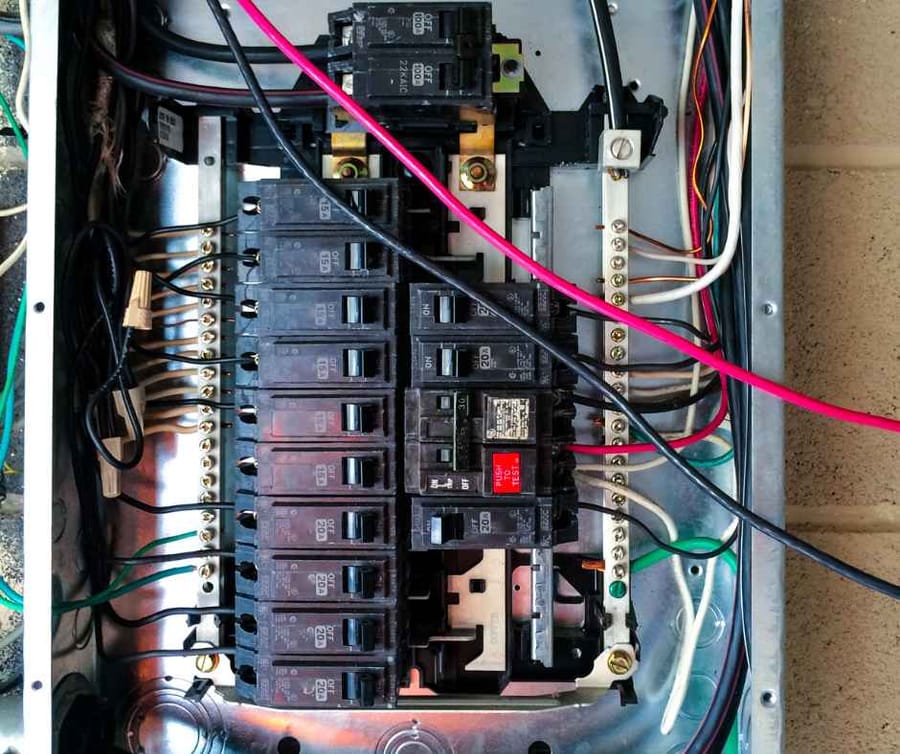
This one doesn’t get talked about enough. An aging electrical panel, especially panels from the 1970s and 80s common in older Colorado Springs neighborhoods like Broadmoor, Old Colorado City, and Ivywild, can cause your home’s electrical system to run less efficiently. Breakers that don’t trip cleanly, undersized circuits struggling to handle modern loads, and wiring that’s been patched over decades all contribute to a system that works harder than it should. Add in the energy demands of smart home devices, EV chargers, and modern appliances and an old panel simply wasn’t designed for what you’re asking of it.
The fix: If your panel is more than 25 to 30 years old, or if you’re regularly resetting breakers or noticing flickering lights, it’s worth having a licensed electrician take a look. A panel assessment can identify whether an upgrade makes sense for your home and your energy usage. A properly sized, modern panel isn’t just safer. It supports the efficiency of everything running off it.
Take Control of What Your Home Is Actually Costing You
None of these fixes require a major lifestyle overhaul. Most of them take five minutes to implement and the savings show up on next month’s bill. The bigger picture is understanding that energy efficiency in a Colorado Springs home isn’t just about what you run. It’s about what’s running without you realizing it, and whether your home’s electrical system is equipped to handle the demands you’re putting on it.
If you’re seeing high bills and can’t figure out why, or if your home’s wiring and panel are overdue for a look, WireNut’s licensed electricians serve Colorado Springs homeowners with honest assessments and upfront pricing. Schedule online and we’ll figure out what’s going on.
Common Questions About Home Energy Use in Colorado Springs
Why is my electric bill so high in Colorado Springs?
High electric bills in Colorado Springs are usually the result of several small drains adding up rather than one obvious culprit. Phantom load from always-on devices, appliances running less efficiently due to age or hard water buildup, and water heaters set higher than necessary all contribute. Colorado Springs homes also deal with dramatic temperature swings that push HVAC systems harder than homes at lower elevations. If your bill keeps climbing without an obvious explanation, a home energy audit and an electrical system check are good places to start.
What is phantom load or vampire power?
Phantom load, sometimes called vampire power or standby power, is the electricity devices draw even when you’re not actively using them. Chargers left plugged in, gaming consoles in standby mode, streaming sticks, and smart home devices all pull a continuous trickle of power around the clock. Individually the draw is small, but across a Colorado Springs home with a dozen or more always-on devices, phantom load can add a noticeable amount to your monthly bill. Smart power strips and the habit of unplugging idle devices are the most effective fixes.
Does an old electrical panel affect my energy bill?
An aging panel doesn’t directly inflate your electric bill the way a running appliance does, but it can affect how efficiently your home’s electrical system handles modern loads. Older panels with undersized circuits, worn breakers, or outdated wiring force the system to work harder than it should, and they weren’t designed for the energy demands of today’s homes. If your Colorado Springs home has a panel from the 1970s or 80s and you’re seeing unexplained bill increases alongside flickering lights or tripping breakers, a licensed electrician should take a look.
What temperature should I set my water heater to save energy?
The Department of Energy recommends 120 degrees F for most households. Most water heaters ship set to 140 degrees F, which means they’re burning extra energy around the clock to maintain a temperature higher than you’ll ever actually use. Dialing it back to 120 degrees F is one of the easiest energy-saving adjustments you can make and it doesn’t require a service call. If your water heater is older and struggling to maintain temperature efficiently even at a lower setting, it may be time to look at replacement options.
Do ceiling fans actually save energy?
Ceiling fans save energy only when someone is in the room to feel them. They create a wind chill effect that makes occupants feel cooler, which means you can set your thermostat a few degrees higher without sacrificing comfort. But a ceiling fan running in an empty room isn’t cooling anything. It’s just burning electricity. In Colorado Springs, where summer afternoons get hot and dry, ceiling fans in occupied rooms are genuinely useful for reducing AC load. The habit of turning them off when you leave is what makes them an energy-saving tool rather than just another draw on your bill.
How much electricity do gaming consoles use in standby mode?
It varies by console and settings, but a PlayStation 5 or Xbox Series X in standby mode can draw anywhere from 1 to 10 watts continuously. That’s not a huge number on its own, but a console in standby 24 hours a day, 365 days a year adds up. Older consoles tend to draw more in standby than newer models. If your household has multiple consoles across generations, the combined standby draw becomes more meaningful. Switching to full shutdown mode when you’re done gaming is a simple habit that costs nothing and reduces the drain.
When should I consider replacing an older appliance for energy savings?
The general rule of thumb is that appliances over 10 to 15 years old are worth evaluating for replacement, especially refrigerators, washing machines, and water heaters. Modern Energy Star-rated appliances use significantly less power than units from a decade or more ago, and in Colorado Springs, hard water accelerates wear on appliances with water-connected components like ice makers and heating elements. If an older appliance is running louder than usual, cycling more frequently, or your bill has climbed without a clear explanation, the math on replacement versus continued operation is usually worth running.