See our current specials →

Hot Water When You Need It: Benefits of a New Water Heater
A water heater is one of those appliances you never think about until it stops working. Then it becomes the only thing you think about. No hot water for morning showers, no hot water for dishes, no hot water for the kids’ baths. In Colorado Springs, where winter temperatures routinely drop below freezing and hot water demand peaks on the coldest days of the year, a failing water heater isn’t just inconvenient. It’s a genuine household emergency.
The good news is that today’s water heaters are dramatically better than the units installed in homes even ten years ago. Better efficiency, better recovery rates, better safety features, and better options for households with high demand or limited space. If your current unit is showing its age, here’s what you need to know about why upgrading makes sense and what the right replacement looks like for a Colorado Springs home.
How Colorado Springs Conditions Affect Your Water Heater
Before getting into the benefits of a new unit, it’s worth understanding why water heaters in Colorado Springs work harder than those in many other parts of the country.
First, incoming cold water temperatures in Colorado Springs are significantly lower than in warmer climates, particularly from late fall through early spring. Your water heater has to raise that water temperature by more degrees to reach a usable level, which means more energy consumption and more strain on the heating elements or burner per cycle.
Second, Colorado Springs’ hard water from the Pikes Peak watershed accelerates sediment buildup inside tank-style water heaters. Calcium and magnesium deposits settle at the bottom of the tank over time, creating an insulating layer between the burner and the water. The result is a unit that takes longer to heat water, uses more energy doing it, and experiences accelerated wear on the tank lining. In Colorado Springs, neglecting water heater maintenance or running a unit past its useful life is almost always more expensive than replacing it on a planned schedule.
Third, altitude affects gas combustion in Colorado Springs the same way it affects furnaces. A gas water heater operating at 6,000 feet without proper altitude adjustment runs an inefficient combustion ratio that wastes fuel and shortens equipment life. Proper installation by a licensed plumber who understands local conditions isn’t optional here. It’s the difference between a water heater that performs as rated and one that underdelivers from day one.
The Real Benefits of Installing a New Water Heater
Energy Efficiency That Shows Up on Your Bill
Older tank-style water heaters operate at 50 to 60% efficiency, meaning nearly half the energy they consume is lost to standby heat loss, sediment buildup, and inefficient combustion. Modern high-efficiency tank water heaters operate at 90% or better. Tankless water heaters, which heat water on demand rather than maintaining a stored tank, can reach efficiency ratings of 96 to 99% because there’s no standby loss at all.
For a Colorado Springs household running a 10 to 15 year old water heater, the difference between the old unit’s real-world efficiency and a new high-efficiency replacement can translate to $150 to $300 per year in reduced energy costs on your Colorado Springs Utilities or Black Hills Energy bill. Over a 15-year lifespan, that’s $2,250 to $4,500 in savings, before accounting for the avoided repair costs on an aging unit.
Consistent Hot Water When You Need It Most
An aging water heater doesn’t just use more energy. It delivers less hot water reliably. Sediment buildup reduces effective tank capacity. Worn heating elements recover more slowly between uses. A tank that was sized correctly for your household ten years ago may now struggle to keep up with morning demand, leaving the last person in the shower with lukewarm water at best.
A properly sized new tank water heater restores full capacity and fast recovery. A tankless system eliminates the capacity limitation entirely by heating water on demand, providing a continuous flow that doesn’t run out regardless of how many people are using hot water simultaneously. For larger Colorado Springs households or homes with high peak demand, a tankless upgrade is often the most impactful change you can make to daily comfort.
Better Safety Features Than Older Units
Water heaters manufactured in the last several years include safety improvements that older units simply don’t have. Modern units feature improved pressure relief valves, enhanced thermostats with more precise temperature control, sealed combustion systems that reduce carbon monoxide risk in gas models, and better anode rod designs that protect the tank lining more effectively against Colorado Springs’ hard water corrosion. If your current unit is more than 10 years old, it may be missing several of these features entirely.
Space-Saving Options for Colorado Springs Homes
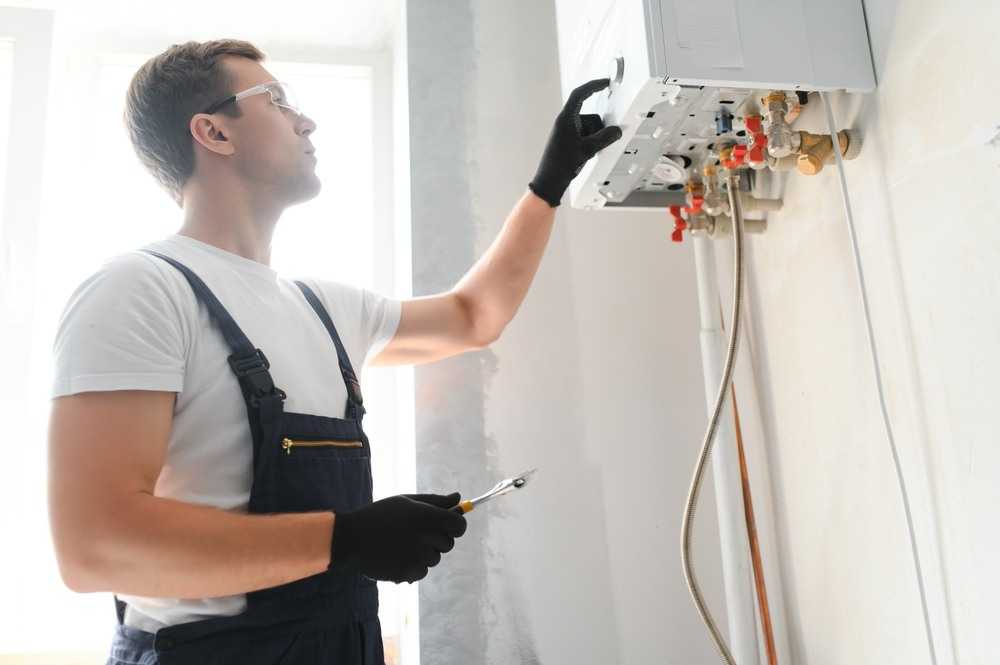
Tankless water heaters mount directly to a wall and are roughly the size of a large suitcase, freeing up the floor space previously occupied by a 40 to 80 gallon tank. For Colorado Springs homes with finished basements, tight utility closets, or limited mechanical room space, that reclaimed square footage is a genuine quality-of-life improvement. Hybrid heat pump water heaters are another option that offers excellent efficiency in a tank form factor, though they work best in spaces with adequate ambient air volume, something to discuss with your plumber based on your specific installation location.
A Long-Term Investment With Measurable Returns
A new water heater installed correctly by a licensed plumber is a 15 to 20 year investment for a quality tank unit, or 20 years or more for a properly maintained tankless system. Factoring in energy savings, avoided repair costs on an aging unit, and the reduced risk of a catastrophic tank failure that causes water damage, the return on a planned replacement almost always beats the alternative of running an old unit until it fails at the worst possible time.
WireNut Home Services backs every water heater installation with our Lifetime Workmanship Guarantee and 1-Year Risk-Free Product Pledge, so if anything goes wrong with the installation or the equipment in that first year, we make it right at no additional cost.
Tank vs. Tankless: Which Is Right for Your Colorado Springs Home?
This is the question most Colorado Springs homeowners have when they start thinking about replacement, and the honest answer is that it depends on your household size, usage patterns, existing infrastructure, and budget. Here’s how to think through it:
- Tank water heaters are less expensive upfront, simpler to install in most homes, and work well for households with predictable, moderate hot water demand. A high-efficiency tank unit with a well-insulated jacket and a good anode rod is a solid choice for most Colorado Springs homes. The main limitation is recovery time and the standby energy loss that comes with maintaining a stored supply of hot water around the clock.
- Tankless water heaters cost more upfront and may require electrical panel upgrades or gas line resizing to support the higher instantaneous demand, but they eliminate standby loss entirely and provide unlimited hot water on demand. For larger households, homes where hot water demand is unpredictable, or homeowners planning to stay in the home long-term, the efficiency gains and convenience typically justify the higher initial investment within five to eight years.
- Hybrid heat pump water heaters are a newer option that uses heat pump technology to move heat from surrounding air into the water rather than generating it directly. They’re two to three times more efficient than a standard electric tank water heater and work well in Colorado Springs utility rooms or basements with adequate space and ambient temperature. They’re eligible for federal tax credits under current energy efficiency incentive programs, which can meaningfully offset the upfront cost.
WireNut’s licensed plumbers can evaluate your home’s specific situation, existing infrastructure, and household demand to give you an honest recommendation on which type and size makes the most sense before you commit to anything.
Signs Your Colorado Springs Water Heater Needs to Be Replaced
Not sure whether your current unit has more life left or whether it’s time to replace? Here are the signs that replacement is likely the smarter financial decision over continued repair:
- The unit is more than 10 years old. Most tank water heaters have a realistic service life of 10 to 15 years in Colorado Springs’ hard water conditions. If yours is approaching or past that range, you’re operating on borrowed time.
- You’re seeing rust-colored water. Discoloration in your hot water is a sign that the tank lining has failed and the tank itself is corroding from the inside. This is not a repairable condition. The unit needs to be replaced before it leaks or fails entirely.
- You hear rumbling or popping sounds. That noise is sediment that has hardened on the bottom of the tank being disturbed by heating cycles. It signals significant buildup that’s reducing efficiency and accelerating tank wear.
- You’re calling for repairs repeatedly. One repair on an otherwise healthy unit is normal. Two or three repairs in a short window is a signal that the unit is entering end-of-life failure mode. At that point, the cost of continued repairs typically exceeds the cost of replacement within a year or two.
- The unit is leaking. Any active leak from the tank itself, as opposed to a fitting or connection, means the tank has failed. There is no repair for a leaking tank. Replacement is the only option, and it should happen quickly to avoid water damage to your home.
- You’re consistently running out of hot water. If your household’s demands haven’t changed but your unit struggles to keep up, sediment buildup has likely reduced your effective capacity to the point where the unit can no longer meet your needs reliably.
Why Colorado Springs Homeowners Choose WireNut for Water Heater Installation
WireNut Home Services has been working in Colorado Springs homes since 2004 and expanded into full plumbing services in 2019. Our licensed plumbers understand the specific challenges that Colorado Springs’ hard water, altitude, and climate create for water heating equipment, and we bring that local knowledge to every installation.
Every water heater installation WireNut completes includes proper altitude adjustment for gas units, a full assessment of your existing water lines and connections, leak testing before we leave, and a walkthrough of your new system so you know exactly how it works and what to expect. We also help you identify any available rebates through Colorado Springs Utilities or Black Hills Energy and federal tax credits that may apply to your installation, so you’re not leaving money on the table.
Schedule your water heater consultation online with WireNut Home Services today. Whether you need an emergency replacement or want to plan a proactive upgrade before your current unit fails at the worst possible moment, our team is ready to help.
Frequently Asked Questions About Water Heaters in Colorado Springs
Colorado Springs homeowners ask us these questions about water heater replacement and installation all the time.
How long do water heaters last in Colorado Springs?
Most tank water heaters last 10 to 15 years under normal conditions, but Colorado Springs’ hard water from the Pikes Peak watershed can shorten that range if the unit isn’t properly maintained. Calcium and magnesium deposits build up inside the tank over time, accelerating corrosion and reducing efficiency. Annual flushing to remove sediment and anode rod replacement every three to five years are the two most important maintenance steps for extending water heater life in Colorado Springs. Tankless water heaters generally last 20 years or more with proper maintenance, making them a better long-term investment despite the higher upfront cost.
Should I repair or replace my water heater?
The general rule of thumb is to use the 5,000 rule: multiply the unit’s age by the estimated repair cost. If the result exceeds $5,000, replacement is almost always the smarter financial decision. Beyond the math, certain conditions make replacement the clear choice regardless of cost: a tank that’s actively leaking, rust-colored hot water indicating internal corrosion, or a unit that’s already been repaired multiple times in a short period. If your water heater is more than 10 years old and needs a significant repair, replacement is worth serious consideration even if the repair cost alone seems manageable, because another failure is likely not far behind. Our licensed plumbers give you an honest assessment of your unit’s condition and remaining useful life before recommending either path.
What size water heater do I need for my Colorado Springs home?
For tank water heaters, sizing is based on the number of people in the household and peak hour demand. A general guideline is 30 to 40 gallons for one to two people, 40 to 50 gallons for three to four people, and 50 to 80 gallons for five or more. However, Colorado Springs’ cold incoming water temperatures mean your unit has to work harder per gallon than it would in a warmer climate, which is an argument for sizing up rather than down if you’re on the boundary. For tankless water heaters, sizing is based on flow rate and the temperature rise needed, both of which are affected by Colorado Springs’ elevation and cold water inlet temperatures. Our plumbers calculate the right size for your specific household before recommending a unit rather than defaulting to whatever’s in stock.
Is a tankless water heater worth it in Colorado Springs?
For many Colorado Springs homeowners, yes. Tankless water heaters eliminate standby heat loss entirely, provide unlimited hot water on demand, and last significantly longer than tank units. The efficiency gains are particularly meaningful in Colorado Springs, where cold incoming water temperatures and hard water conditions put extra demands on water heating equipment year-round. The main considerations are the higher upfront cost and the fact that some installations require electrical panel upgrades or gas line resizing to support the higher instantaneous demand of a tankless unit. Our plumbers evaluate your existing infrastructure and give you a complete picture of what a tankless installation would actually cost and save in your specific home before you decide.
How does hard water affect my water heater in Colorado Springs?
Colorado Springs’ hard water carries high concentrations of calcium and magnesium that settle inside your water heater tank as sediment over time. This buildup acts as an insulating layer between the burner or heating element and the water, forcing the unit to run longer and use more energy to reach the set temperature. It also accelerates corrosion of the tank lining and reduces effective capacity as the sediment layer grows. In a Colorado Springs home without regular water heater maintenance, sediment can reduce efficiency by 25 to 50% and cut the unit’s useful life by several years. Annual flushing, anode rod replacement, and a whole-home water treatment or softener system are the most effective ways to protect your investment.
Are there rebates or tax credits available for water heater replacement in Colorado Springs?
Yes. Colorado Springs homeowners replacing an old water heater with a qualifying high-efficiency unit may be eligible for rebates through Colorado Springs Utilities or Black Hills Energy depending on their utility provider, as well as federal tax credits under the Inflation Reduction Act for heat pump water heaters and other qualifying equipment. The available incentives change periodically, so the best approach is to ask your WireNut plumber what programs are currently active at the time of your installation. We stay current on available rebates and credits and help you identify which ones apply to your specific equipment choice so you’re not leaving money on the table.
What should I do if my water heater is leaking?
A leaking water heater needs immediate attention. Start by turning off the cold water supply to the unit using the shutoff valve on the inlet pipe above or beside the tank. For a gas water heater, turn the gas valve to the pilot setting rather than off entirely unless you smell gas, in which case shut it off completely and call Black Hills Energy or Colorado Springs Utilities before calling a plumber. For an electric unit, shut off the breaker to the water heater at your electrical panel. If the leak is coming from a fitting or connection rather than the tank itself, repair may be possible. If the tank body is leaking, replacement is the only option and it should happen quickly to prevent water damage to your home. WireNut offers same-day service for water heater emergencies throughout Colorado Springs.