See our current specials →

Is It Dangerous if a Circuit Breaker Keeps Tripping?
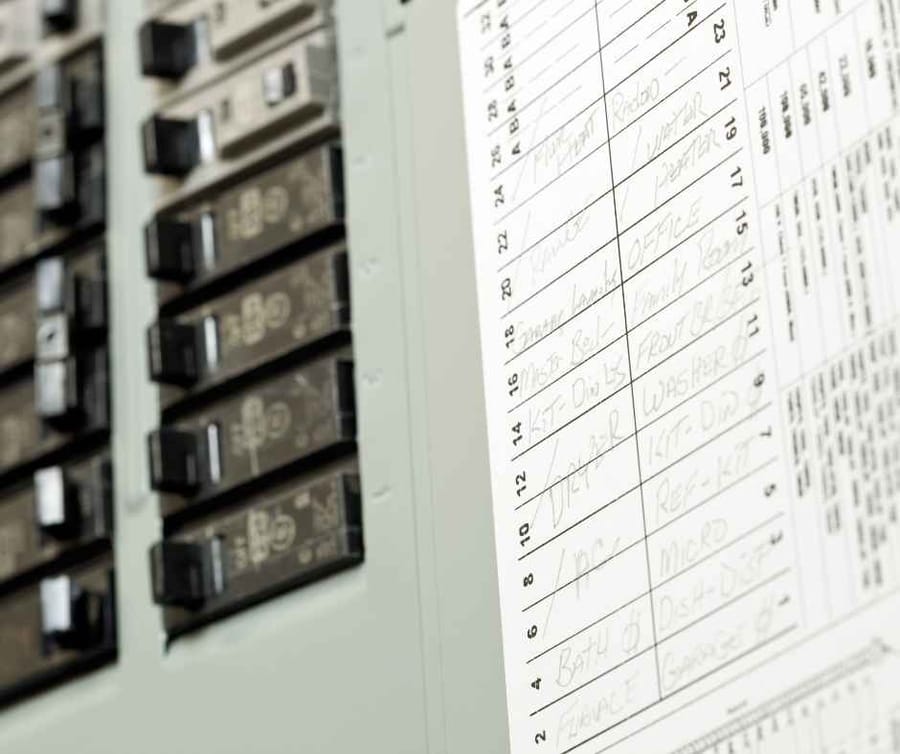
It’s easy to brush off a tripped breaker as a minor hassle. Flip the switch and you’re back in business, right? But if your circuit breaker keeps tripping, it’s more than a nuisance. Frequent trips signal deeper electrical issues that shouldn’t be ignored. From overloaded circuits to wiring problems, what seems like a small inconvenience can lead to damaged appliances, electrical fires, or worse.
In this post we’ll explain why circuit breakers trip, what repeated interruptions actually mean for your home’s safety, and when it’s time to stop troubleshooting and call a licensed electrician. Let’s start with what your breaker is actually doing when it cuts power.
What Causes a Circuit Breaker to Trip?
Your circuit breaker is not just a switch. It’s a built-in safety device designed to protect your home’s entire electrical system from damage caused by excess current. When everything is working correctly, electricity flows smoothly through each circuit within its rated capacity. When something pushes that circuit beyond its limit, the breaker trips instantly, cutting power before heat or damage can occur.
There are four main reasons this happens:
- Overloaded circuits: The most common cause by far. Too many devices drawing power from a single circuit exceed its rated capacity and trip the breaker. In Colorado Springs homes, this happens most often in kitchens, home offices, and older homes where circuits weren’t designed for today’s electrical loads.
- Short circuits: When a hot wire contacts a neutral wire, it creates a sudden surge of current that the breaker responds to immediately. Short circuit trips are more serious than overload trips and may produce visible scorch marks, a burning smell, or a popping sound at the moment of failure.
- Ground faults: Similar to a short circuit, a ground fault occurs when a hot wire contacts a grounded surface or the ground wire itself. Ground faults are particularly dangerous in areas where water is present, like kitchens, bathrooms, and garages, and are one of the reasons GFCI outlets are required by code in those locations.
- Faulty appliances or wiring: Worn-out appliances, frayed cords, and outdated wiring can all disrupt safe current flow and trigger the breaker. In older Colorado Springs homes with aluminum wiring or original mid-century electrical infrastructure, this is a more common factor than most homeowners realize.
Breaker trips are not random. They are your home’s electrical system communicating that something is wrong. The question is whether it’s a simple overload or a sign of something that needs professional attention.
Is It Dangerous if a Circuit Breaker Keeps Tripping?
A single breaker trip is normal. A breaker that trips repeatedly on the same circuit is not, and the distinction matters. Repeated tripping is your electrical system telling you it’s under stress, and ignoring that signal doesn’t make the underlying problem go away. It allows it to develop into something more serious.
Signs It’s More Than a Simple Overload
If you’re experiencing any of the following alongside a tripping breaker, the issue likely goes beyond too many devices on one circuit:
- Repeated trips on the same circuit, especially within minutes of resetting
- Scorch marks, discoloration, or a burning odor around outlets, switches, or your electrical panel
- Flickering or dimming lights in the moments before a trip occurs
- Popping, crackling, or buzzing sounds behind walls or near outlets
- A breaker that feels warm or hot to the touch when you go to reset it
These symptoms point to hidden electrical problems that require a licensed electrician, not another reset.
What Happens if You Keep Ignoring It
Resetting a tripping breaker without investigating the cause is one of the more common ways preventable electrical problems escalate into serious ones. Here’s what’s at stake:
- Fire hazard: Overheating wires and faulty connections are a leading cause of residential electrical fires. A breaker that’s tripping is trying to prevent that outcome. Forcing the issue by repeatedly resetting it works against the protection the breaker is providing.
- Appliance and electronics damage: Frequent power interruptions from repeated tripping cycles shorten the lifespan of sensitive electronics and can damage appliances over time.
- Shock risk: Damaged wiring and compromised connections increase the risk of electric shock, particularly in older Colorado Springs homes where wiring insulation may already be degraded.
- Panel damage and costly repairs: Persistent stress on your electrical panel from repeated overloads or faults can damage the panel itself, turning a relatively simple repair into a full panel replacement.
How to Troubleshoot a Tripping Circuit Breaker
Before assuming the worst, it’s worth working through some basic troubleshooting steps. Some tripping breakers have straightforward causes that you can identify yourself. Others require a licensed electrician. Knowing the difference keeps you safe and helps you have a more informed conversation with a professional when you call.
What You Can Do First
Start by narrowing down whether the issue is an overload or something more serious:
- Unplug everything connected to outlets on the tripped circuit before resetting the breaker.
- Reset the breaker by pushing it firmly to the full OFF position first, then back to ON. A partial reset won’t hold.
- Plug devices back in one at a time and watch for another trip. If a specific appliance triggers it, that appliance may have an internal fault worth investigating.
- Redistribute high-draw appliances like space heaters, microwaves, and air fryers across different circuits rather than running them simultaneously on the same circuit.
- Avoid daisy-chaining power strips or using extension cords as permanent solutions. These concentrate load in ways that circuits aren’t designed to handle long-term.
If the breaker holds after you reduce the load, you were likely dealing with a straightforward overload. If it trips again quickly, trips with nothing plugged in, or won’t reset at all, stop troubleshooting and call a professional.
When to Stop and Call a Licensed Electrician
Some situations are beyond the scope of safe DIY troubleshooting. Stop resetting the breaker and schedule a professional inspection if:
- The breaker trips immediately even with nothing plugged in on that circuit
- You’ve reduced the load significantly and it still trips repeatedly
- You notice burning smells, scorch marks, or unusual sounds near the panel or outlets
- The breaker or panel feels warm to the touch
- The breaker won’t stay reset or feels loose when you switch it
- Your home has older wiring, a fuse box, or a panel that hasn’t been inspected in years
Colorado Springs homes built before the 1980s are disproportionately represented in electrical problem calls because of aging infrastructure, aluminum wiring, and panels that weren’t designed for modern electrical loads. If your home falls into that category and you’re experiencing repeated tripping, a professional evaluation is worth scheduling sooner rather than later.
How to Prevent Circuit Breaker Trips Going Forward
Once you’ve addressed the immediate issue, a few habits and upgrades go a long way toward preventing repeat problems. Prevention is significantly cheaper than repair, and most of the steps below are straightforward.
- Spread high-draw appliances across circuits: Microwaves, space heaters, hair dryers, and air fryers are among the highest-draw household appliances. Running more than one on the same circuit simultaneously is a reliable recipe for a tripped breaker. Plug them into outlets on different circuits when possible.
- Avoid overloading outlets and power strips: Power strips don’t add electrical capacity. They just add outlets. Plugging multiple high-draw devices into a single power strip creates the same overload risk as plugging them directly into one outlet.
- Consider a panel upgrade: If your Colorado Springs home has an older panel, a smaller service size than modern loads require, or a panel brand with known reliability issues, an electrical panel upgrade is one of the most impactful improvements you can make to your home’s electrical safety and capacity.
- Update outdated wiring: Aluminum wiring, two-prong ungrounded outlets, and visibly worn or frayed wiring are all worth addressing. Modern electrical wiring upgrades bring your home’s infrastructure into compliance with current safety standards and reduce the risk of future problems significantly.
- Schedule an annual electrical inspection: An annual visit from a licensed electrician catches developing issues before they become emergencies. WireNut’s electrical inspections cover your panel, wiring, outlets, and grounding so you have a complete picture of your system’s condition.
The Bottom Line on a Tripping Circuit Breaker
A circuit breaker that trips once is doing exactly what it’s designed to do. A breaker that keeps tripping is telling you something your electrical system needs you to pay attention to. The cause might be as simple as too many appliances on one circuit, or it might point to wiring issues, a failing breaker, or an aging panel that’s reached the end of its useful life. The only way to know for certain is a professional evaluation.
WireNut Home Services has been diagnosing and repairing electrical problems in Colorado Springs homes for over two decades. Our licensed electricians identify the root cause of repeated breaker trips and give you honest, straightforward recommendations on what it takes to fix it properly. Schedule an electrical inspection or circuit breaker service online and we’ll make sure your home’s electrical system is protecting you the way it should.
Frequently Asked Questions About Circuit Breakers Tripping
Why does my circuit breaker keep tripping with nothing plugged in?
A breaker that trips with nothing connected to the circuit is one of the clearest signs that the problem isn’t an overload. It’s something internal. The most likely causes are a short circuit in the wiring itself, a ground fault somewhere along the circuit run, or a breaker that has worn out and is no longer holding its rated load reliably. Breakers are mechanical devices with a finite lifespan, and one that trips under no load is often simply failing. In Colorado Springs homes with older wiring or panels, a failing breaker sometimes indicates a broader wiring issue in the circuit rather than just the breaker itself. Either way, a breaker tripping with no load connected needs a licensed electrician to diagnose it properly. Resetting it repeatedly without investigating the cause is not a safe long-term response.
Can a tripping circuit breaker cause a fire?
A breaker that trips and stays tripped is doing its job and is not itself a fire risk. The fire risk comes from the conditions that are causing it to trip, and from homeowners who repeatedly reset a tripping breaker without addressing the underlying cause. When a short circuit, ground fault, or overloaded wire generates heat in your home’s wiring and the breaker is reset before the wiring has cooled, that heat can build up in walls and insulation where it’s not visible. Electrical fires frequently start inside walls and may smolder for hours before breaking out into open flame. Scorch marks around outlets, a burning smell near the panel, or wiring that feels warm to the touch are all signs that heat is building somewhere it shouldn’t be. If you’re seeing any of these alongside a tripping breaker, stop resetting it and call a licensed electrician immediately.
How do I know if my breaker is bad or if it’s a wiring problem?
This is one of the more difficult things to determine without testing equipment, and it’s one of the reasons repeated tripping warrants a professional evaluation rather than a DIY diagnosis. That said, there are some patterns that suggest one over the other. A bad breaker typically trips inconsistently, may feel loose or spongy when you switch it, won’t reset firmly, or trips even when the circuit is carrying a load well below its rated capacity. A wiring problem more often produces additional symptoms alongside the tripping, including burning smells, warm outlets or switch plates, flickering lights, or audible buzzing and crackling near the affected circuit. In Colorado Springs homes with aluminum wiring or original mid-century electrical infrastructure, wiring problems are more common than breaker failures because the wiring has had more time to develop issues. A licensed electrician can test the breaker and trace the circuit to determine which is the culprit.
Is it safe to reset a tripped circuit breaker?
Resetting a tripped breaker once to see if it holds is generally safe and is a reasonable first troubleshooting step, especially if you know what caused the trip. If you were running too many appliances on one circuit and the breaker tripped, reducing the load and resetting it is the appropriate response. Where it becomes unsafe is repeated resetting without understanding why the breaker keeps tripping. Every time you reset a breaker that’s tripping due to a short circuit, ground fault, or wiring problem, you’re allowing current to flow through a compromised circuit. That generates heat in places you can’t see and increases the risk of electrical fire. The rule of thumb is one reset after reducing the load. If the breaker trips again quickly, or if it trips with nothing on the circuit, don’t reset it again until a licensed electrician has evaluated the system.
Why does my breaker trip when I run the microwave or space heater?
Microwaves and space heaters are among the highest single-draw appliances in a typical Colorado Springs home. A full-size microwave typically draws 1,000 to 1,500 watts, and most space heaters draw between 1,500 and 1,800 watts on their high setting. A standard 15-amp circuit is rated for about 1,800 watts of continuous load, and a 20-amp circuit handles around 2,400 watts. When you run a microwave or space heater alongside other devices on the same circuit, it’s easy to exceed that limit and trip the breaker. The fix is usually straightforward: plug high-draw appliances into outlets on different circuits, or have a dedicated circuit installed for the appliance. If the breaker trips when the microwave or space heater is the only thing running on the circuit, the appliance itself may have an internal fault worth investigating, or the circuit may be undersized for the load it’s being asked to carry. WireNut can evaluate whether a dedicated circuit or panel upgrade makes sense for your home’s electrical demands.
How much does it cost to fix a circuit breaker that keeps tripping?
The cost depends entirely on what’s causing the tripping, which is why a professional diagnosis is always the right first step. If the breaker itself has failed, replacement is one of the more straightforward electrical repairs and is typically among the less expensive service calls. If the cause is a wiring issue, the cost varies significantly depending on where the fault is located, how accessible the wiring is, and how much of the circuit needs attention. In Colorado Springs older homes with aluminum wiring or outdated infrastructure, repairs sometimes reveal additional issues that are worth addressing at the same time, which affects the overall scope. An overloaded circuit that needs a dedicated circuit added for a specific appliance is a mid-range project. A panel upgrade that addresses capacity issues across the entire home is a more significant investment but one that resolves multiple problems simultaneously and increases your home’s safety and resale value. WireNut provides a clear written estimate before any work begins so you know exactly what you’re looking at before anyone starts.
How often should a circuit breaker be replaced?
Circuit breakers don’t have a fixed replacement schedule the way some components do, but they do have a finite lifespan. Most manufacturers rate breakers for a specific number of trip cycles, typically in the thousands, after which the internal mechanism may no longer respond reliably. In practical terms, a breaker in a well-functioning home that rarely trips can last 30 to 40 years. A breaker that has been tripping frequently due to overloads or faults wears out faster because each trip puts mechanical stress on the internal components. Age alone is worth considering in Colorado Springs homes with original electrical panels from the 1960s, 70s, or 80s. Breakers from that era may still function but are worth evaluating during a professional inspection, particularly if any of them show signs of corrosion, feel warm, or have a history of nuisance tripping. If your home has a panel brand with known reliability issues, a panel evaluation is worth scheduling regardless of whether you’re currently experiencing problems.