See our current specials →

Ways to Save Energy this Spring
Colorado Springs spring is unlike spring anywhere else on the Front Range. One afternoon you’re opening windows to enjoy 70-degree sunshine and the next morning you’re back to running the heat after an overnight frost. That unpredictable shoulder season between winter heating and summer cooling is actually one of the best opportunities of the year to audit your home’s energy efficiency, because the moderate temperatures mean your HVAC system isn’t carrying a heavy load and you can make changes without immediately feeling the impact on your comfort.
Here are nine practical ways to reduce your energy bills this spring in Colorado Springs, organized from the simplest habits to the upgrades worth serious consideration.
9 Ways to Save Energy This Spring in Colorado Springs
1. Use Natural Light During the Day
Colorado Springs averages over 300 days of sunshine per year, which makes it one of the better markets in the country for daylighting strategies. During spring daylight hours, open blinds and curtains on south and east-facing windows and turn off artificial lights in those rooms. The high-altitude Colorado sun is intense enough that a well-positioned window can light a room adequately without any supplemental lighting well into the late afternoon.
The flip side of Colorado’s sun intensity is solar heat gain. South-facing windows that flood rooms with natural light in spring can also significantly increase cooling loads as summer approaches. Light-filtering shades or solar screens on south and west-facing windows let you keep the light while reducing the heat gain, which matters more here than it does at lower elevation because the UV intensity at 6,000 feet is notably higher than at sea level.
If you’re still running incandescent or older CFL bulbs in fixtures you use regularly, spring is a good time to finish the transition to LED. LEDs use 75 to 80 percent less energy than incandescent bulbs, produce significantly less heat, and last years longer. The heat reduction matters in Colorado Springs because every incandescent bulb running in your home during summer is a small heat source your air conditioner has to work against.
2. Lower Your Water Heater Temperature
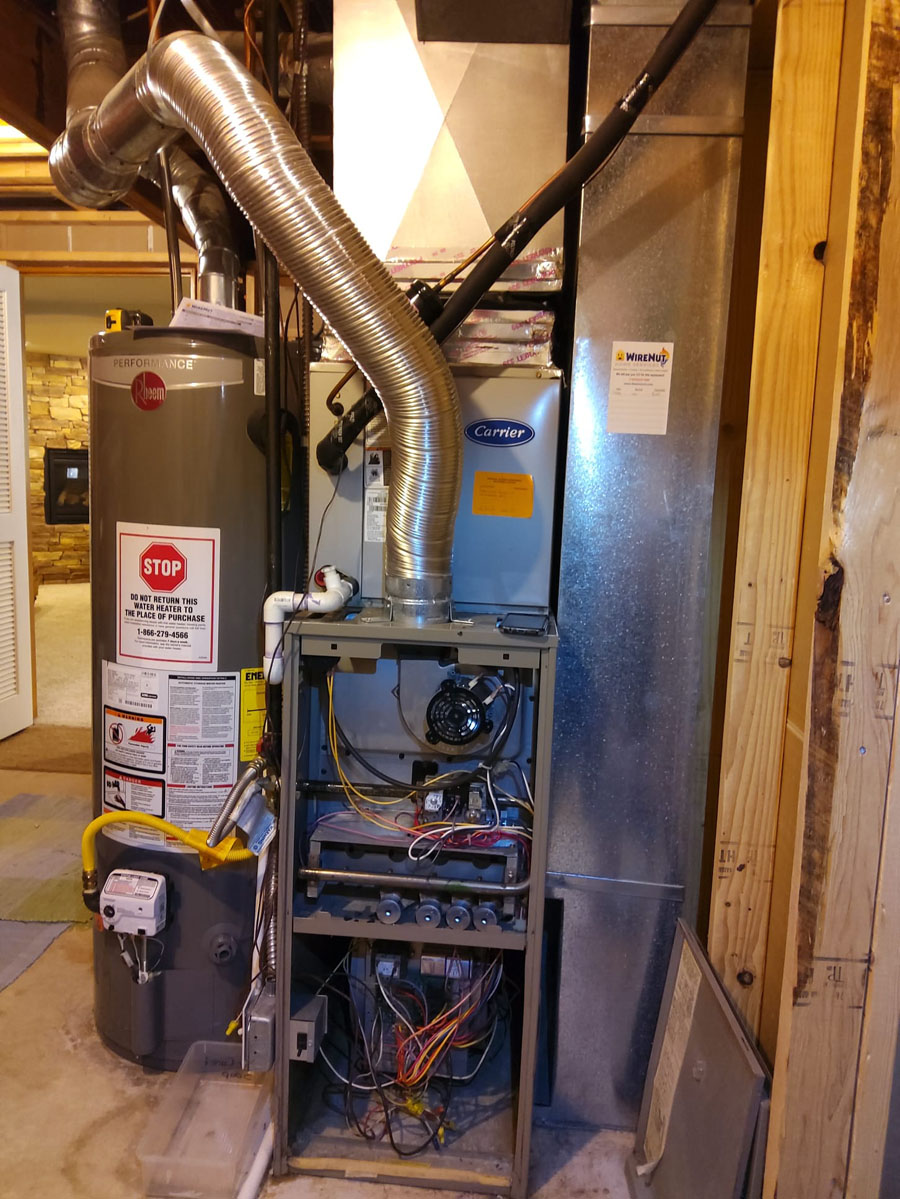
Water heating accounts for roughly 14 to 18 percent of the average home’s energy use, making it one of the larger controllable energy expenses outside of heating and cooling. Most water heaters ship from the factory set to 140 degrees Fahrenheit, which is higher than necessary for most households. The Department of Energy recommends 120 degrees as the ideal setting for most homes, which reduces water heating energy consumption by 6 to 10 percent without any noticeable difference in hot water availability for showers, dishes, or laundry.
For Colorado Springs homeowners with hard water, there’s an additional consideration. Water heaters running at higher temperatures accelerate the formation of mineral scale on heating elements and tank walls, which reduces efficiency over time and shortens the unit’s lifespan. Lowering the temperature to 120 degrees reduces scale formation and extends the interval between necessary water heater maintenance. If scale buildup is already significant, an annual tank flush combined with the temperature adjustment makes a meaningful difference in efficiency.
3. Take Advantage of Colorado Springs’ Spring Nights
Spring nights in Colorado Springs are genuinely cold by most standards. Even after warm spring days, nighttime temperatures regularly drop into the 40s and sometimes lower through May. That temperature differential between day and night is an opportunity rather than an inconvenience for energy-conscious homeowners. Opening windows in the evening lets cool night air replace the warmer air that built up during the day, and closing windows and blinds in the morning traps that cool air inside before the afternoon sun heats the house back up.
This passive cooling strategy works particularly well in Colorado Springs because our low humidity means the cool night air doesn’t bring moisture into the home the way it would in a humid climate. The dry air cools quickly and holds its temperature reasonably well once the windows are closed and direct sun is blocked. On mild spring days where afternoon temperatures stay below the mid-70s, this approach can eliminate the need to run air conditioning entirely, saving meaningful cooling energy during the shoulder season.
4. Use Bathroom and Kitchen Exhaust Fans Strategically
Exhaust fans in bathrooms and kitchens are designed to remove moisture and odors, but they also remove air from your home that your HVAC system has already conditioned. In winter, running exhaust fans longer than necessary pulls heated air out of the house and increases heating costs. In spring and summer, the calculation changes. Running bathroom fans during and after showers removes humidity that would otherwise raise the apparent temperature and increase cooling loads. Running the kitchen exhaust fan while cooking keeps heat from oven and stovetop use from accumulating in the kitchen and spreading to adjacent rooms.
The key is using exhaust fans intentionally rather than habitually. Run them while the moisture or heat source is active and for 10 to 15 minutes afterward, then turn them off. Leaving exhaust fans running for hours after the bathroom or kitchen is no longer in use removes conditioned air unnecessarily and in Colorado Springs’ already dry climate can lower indoor humidity below comfortable levels during the drier spring months.
5. Program Your Thermostat Around Your Schedule
A programmable or smart thermostat that matches your home’s temperature to your actual schedule rather than maintaining a constant setpoint is one of the most reliable ways to reduce HVAC energy consumption year-round. In spring, when Colorado Springs temperatures swing widely between morning lows and afternoon highs, a well-programmed thermostat prevents your system from working against conditions that are already doing your work for you.
The Department of Energy estimates that setback strategies, adjusting your thermostat 7 to 10 degrees from its normal setpoint for 8 hours per day, can reduce heating and cooling costs by up to 10 percent annually. For Colorado Springs homeowners, the spring shoulder season is actually the easiest time to implement setback programming because the mild temperatures mean the system doesn’t have to work hard to recover from setbacks the way it does during peak summer or winter loads.
If your Colorado Springs home still has an older mechanical thermostat, spring is an ideal time to upgrade to a smart model. Smart thermostats learn your schedule over time, adjust automatically based on whether anyone is home, and provide energy usage reports that show exactly where your heating and cooling dollars are going. WireNut handles thermostat installation and calibration and can pair the upgrade with your spring HVAC service for a single efficient visit.
6. Schedule Your Spring HVAC Tune-Up
Spring is the right time to service your air conditioning system before the Colorado Springs summer heat arrives and service calendars fill up. A spring AC tune-up covers refrigerant levels, condenser coil cleaning, electrical connection inspection, capacitor testing, thermostat calibration, and airflow verification, all the things that determine whether your system performs efficiently when July temperatures push into the 90s.
Colorado Springs elevation affects air conditioning performance similarly to how it affects heating. Thinner air at 6,000 feet means refrigerant behaves slightly differently than it does at sea level, and a system that’s even slightly undercharged on refrigerant will struggle more noticeably here than the same system would at lower elevation. A spring tune-up that verifies proper refrigerant charge and optimizes system settings for altitude conditions makes a real difference in both comfort and energy efficiency through the summer months. Schedule your spring air conditioning service with WireNut before the summer rush.
7. Replace or Clean Your Air Filter
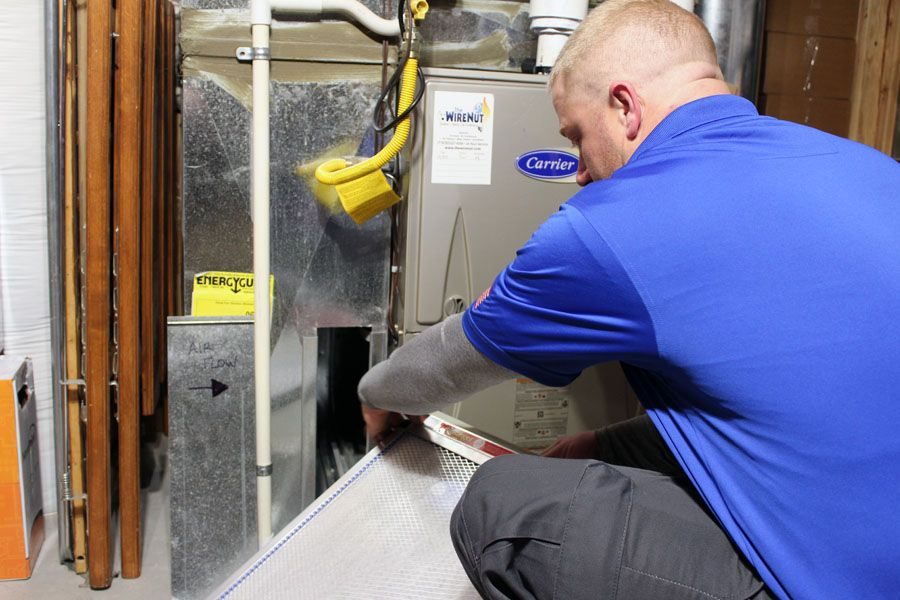
If you haven’t replaced your furnace filter since winter, spring is the time to do it before you transition to cooling season. A clogged filter from months of winter heating operation restricts airflow through the system, forces the blower motor to work harder, and reduces the efficiency of your air conditioner when you switch modes. In Colorado Springs, where spring winds carry significant dust and pollen, filter life during the shoulder season can be shorter than during quieter weather periods.
Check your filter monthly during spring and replace it when it’s gray rather than waiting for a calendar interval. If allergy season is affecting your household, consider upgrading to a higher MERV rating filter during peak pollen months. A MERV 11 filter catches significantly more airborne particles than a standard MERV 8 and can make a noticeable difference in indoor air quality during Colorado Springs’ sometimes intense spring pollen season.
8. Seal Air Leaks and Check Your Ductwork
The energy you spend heating and cooling your Colorado Springs home is only as effective as your home’s ability to retain conditioned air. Air leaks around windows, doors, electrical outlets on exterior walls, and penetrations where pipes and wires enter the home from outside all bleed conditioned air and let unconditioned air in. Spring’s moderate temperatures make it the most comfortable time of year to walk your home’s perimeter and address these leaks with caulk and weatherstripping before you need your air conditioner to carry a serious load.
Ductwork deserves particular attention in Colorado Springs older homes. Ducts that run through unconditioned spaces like attics, crawl spaces, and garages lose a significant percentage of their conditioned air through leaks and inadequate insulation before it ever reaches the living space. The Department of Energy estimates that duct leakage accounts for 20 to 30 percent of the energy used for heating and cooling in a typical home with forced air systems. Sealing and insulating ductwork is one of the higher-return energy improvements available, and professional duct service that includes inspection and sealing pays back in reduced energy bills for years.
9. Consider ENERGY STAR Appliance Upgrades
If any of your major appliances are approaching or past their expected lifespan, replacing them with ENERGY STAR certified models is worth factoring into your spring home improvement planning. ENERGY STAR certified appliances meet efficiency standards set by the EPA that are typically 10 to 50 percent more efficient than standard models depending on the appliance category. In Colorado Springs, where electricity rates from Colorado Springs Utilities have increased meaningfully in recent years, the operating cost difference between an aging standard appliance and a new ENERGY STAR model adds up faster than it did a decade ago.
Water heaters, dishwashers, washing machines, and refrigerators are the appliance categories where ENERGY STAR certification typically delivers the most significant operating cost savings relative to standard models. If you’re also considering a heat pump water heater as a replacement for a traditional electric water heater, Colorado Springs Utilities and Black Hills Energy both offer rebates for high-efficiency water heating equipment that can meaningfully reduce the upfront cost. View the full list of ENERGY STAR certified products to see what qualifies.
Make This Spring Count for Your Energy Bills
The steps above range from free habit changes to meaningful investments, and the right combination depends on your home’s specific situation, age, and existing infrastructure. A Colorado Springs home from the 1970s with original windows, minimal insulation, and an aging HVAC system has different priorities than a newer build that just needs routine maintenance and some smart habits. If you’re not sure where the biggest opportunities are in your specific home, a professional energy audit or HVAC evaluation is a worthwhile starting point.
WireNut Home Services handles HVAC tune-ups, thermostat upgrades, air duct cleaning and sealing, and water heater service for Colorado Springs homeowners. Schedule your spring service online and we’ll help you head into summer with a home that’s running as efficiently as possible. Explore our full range of HVAC services and electrical services to see how we can help.
Frequently Asked Questions About Saving Energy in Colorado Springs
How much can I save on my energy bill by upgrading to a smart thermostat in Colorado Springs?
The Department of Energy estimates that smart and programmable thermostats can reduce heating and cooling costs by 10 to 15 percent annually when used correctly. In Colorado Springs, where both heating and cooling seasons are significant and the temperature swings between day and night are dramatic enough to create real setback opportunities, the savings potential is on the higher end of that range. Most smart thermostat manufacturers cite average savings between $100 and $200 per year, though the actual number depends heavily on your home’s size, insulation, existing HVAC system efficiency, and how aggressively you use the thermostat’s scheduling features. The payback period for a quality smart thermostat typically runs one to two years based on energy savings alone, after which the device is effectively reducing your bills at no ongoing cost. WireNut installs and calibrates smart thermostats throughout Colorado Springs and can help you select the right model for your system.
Does Colorado Springs’ altitude affect my home’s energy efficiency?
Yes, in several meaningful ways. At over 6,000 feet of elevation, both heating and cooling systems work less efficiently than they would at sea level because thinner air reduces combustion efficiency in gas appliances and affects refrigerant behavior in air conditioners and heat pumps. The high UV intensity at altitude also accelerates the degradation of weatherstripping, caulking, and window seals faster than at lower elevations, which means air leaks can develop more quickly in Colorado Springs homes than the same materials would allow elsewhere. The dramatic temperature swings between day and night that are characteristic of high-altitude Colorado create more thermal cycling stress on building materials and HVAC systems than more temperate climates experience. All of these factors together mean that regular maintenance and proactive weatherization pay back more consistently in Colorado Springs than they would in a lower-elevation market with more moderate conditions.
What’s the most cost-effective energy upgrade for a Colorado Springs home?
The answer depends on your home’s specific situation, but air sealing and insulation improvements consistently deliver among the highest returns of any energy upgrade regardless of home age or type. The Department of Energy estimates that properly air sealing and insulating a home can reduce heating and cooling costs by 15 to 20 percent, and in older Colorado Springs homes where original construction standards were less stringent than current codes require, the savings potential is often higher. Beyond air sealing, a smart thermostat offers excellent return relative to cost. A water heater setback from 140 to 120 degrees costs nothing and reduces water heating energy by 6 to 10 percent immediately. LED lighting upgrades pay back quickly through reduced electricity consumption and eliminated bulb replacement costs. If your HVAC system is aging, replacement with a high-efficiency model is a larger upfront investment but delivers the most significant ongoing energy reduction of any single upgrade, particularly at Colorado Springs altitude where system efficiency matters more than it does at sea level.
Should I run my ceiling fans in spring to save energy in Colorado Springs?
Yes, and direction matters. Ceiling fans should run counterclockwise in spring and summer, which creates a downdraft that produces a wind chill effect making occupants feel cooler without actually lowering the room temperature. That perceived cooling effect allows you to set your thermostat a few degrees higher without sacrificing comfort, and each degree of thermostat setback during cooling season reduces air conditioning energy consumption by approximately 3 percent. In spring when Colorado Springs afternoons warm up but mornings are still cool, ceiling fans can extend the period where you’re comfortable without running the AC at all. The important caveat is that ceiling fans cool people, not rooms. Leaving fans running in unoccupied rooms wastes energy without providing any benefit. Make it a habit to turn fans off when you leave a room. WireNut handles ceiling fan installation throughout Colorado Springs if you’re adding fans to rooms that don’t have them.
Are there energy rebates available for Colorado Springs homeowners?
Yes, and they’re worth researching before making any significant appliance or HVAC investment. Colorado Springs Utilities offers rebates for a range of energy efficiency upgrades including smart thermostats, high-efficiency HVAC equipment, heat pump water heaters, and insulation improvements. Black Hills Energy provides similar rebates for natural gas efficiency upgrades including high-efficiency furnaces and water heaters. At the federal level, the Inflation Reduction Act extended and expanded tax credits for energy efficiency improvements including heat pumps, heat pump water heaters, insulation, windows, and electric vehicle charging equipment. These credits can significantly reduce the net cost of efficiency upgrades and should be factored into any cost-benefit calculation before making an investment decision. Rebate programs change periodically, so checking directly with Colorado Springs Utilities and Black Hills Energy for current offerings before scheduling work is the best way to ensure you capture available incentives.
How do I know if my home has significant air leaks?
There are several ways to identify air leakage in a Colorado Springs home ranging from simple self-inspection to professional blower door testing. The simplest approach is a careful walk-around on a cold windy day feeling for drafts around window frames, door perimeters, electrical outlets and switches on exterior walls, and any location where pipes, wires, or vents penetrate exterior walls. A stick of incense held near suspected leak locations will show air movement through smoke drift. More definitively, a professional energy audit using a blower door test depressurizes your home and uses airflow measurement equipment to quantify total air leakage and often identify specific leak locations with thermal imaging. In Colorado Springs older homes, common major leak locations include the attic hatch, recessed lighting fixtures that penetrate the ceiling into an unconditioned attic, fireplace dampers that don’t seal tightly, and the sill plate where the framing sits on the foundation. Addressing the largest leaks first delivers the most significant energy savings per dollar spent.
Is spring or fall the better time to schedule HVAC maintenance in Colorado Springs?
Both seasons deserve attention for different systems. Spring is the ideal time to service your air conditioning system before summer demand peaks and service calendars fill up. A spring AC tune-up ensures your cooling system is ready for Colorado Springs summers where temperatures regularly push into the 90s and the high-altitude UV intensity places additional stress on outdoor equipment. Fall is the ideal time to service your heating system before the first cold snap arrives and furnace service demand spikes. Scheduling both a spring AC tune-up and a fall furnace tune-up as standing annual appointments gives your HVAC system the best combination of reliability, efficiency, and early detection of developing issues before they become emergency repairs. WireNut offers both air conditioning and furnace tune-up services and can schedule both visits to keep your system running at its best year-round.