CHRISTMAS IN JULY — Donate toys & we'll waive the service charge! →

Why Is My Water Pressure Low? A Colorado Homeowner’s Guide
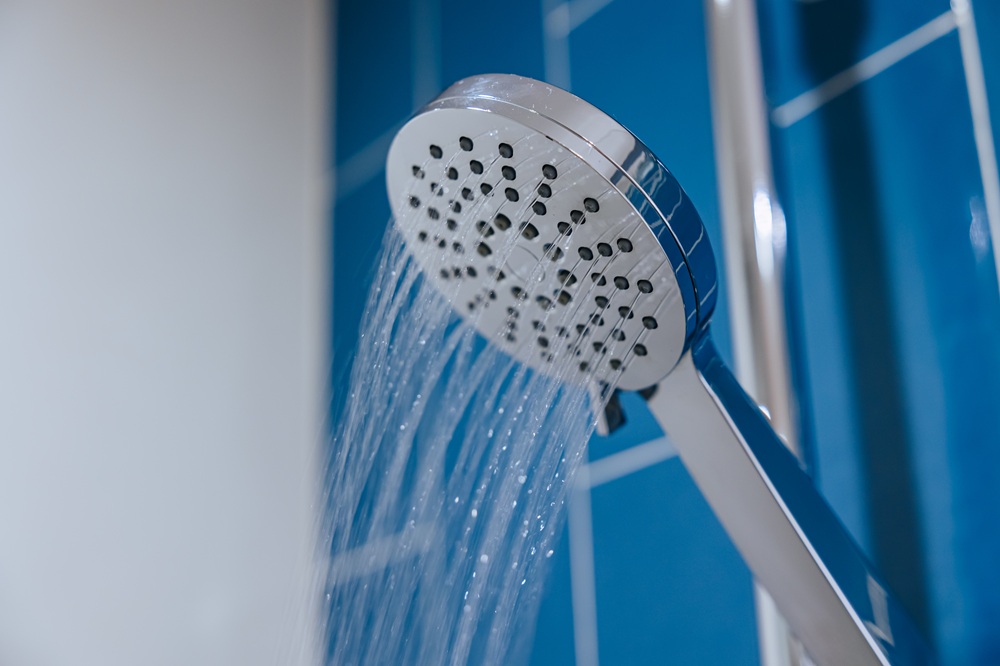
Low water pressure is one of those problems that starts as an annoyance and becomes a source of genuine frustration fast. A shower that barely rinses shampoo out, a kitchen faucet that takes forever to fill a pot, a dishwasher that leaves dishes spotted because it can’t generate enough spray pressure. If this sounds familiar, you’re not alone, and in Colorado there are a handful of causes that show up more often here than in the rest of the country.
Here’s how to think through what’s actually causing your low pressure, what you can fix yourself, and when it’s time to call a plumber.
First: What’s Normal Water Pressure in Colorado?
Residential water pressure is measured in PSI (pounds per square inch). The standard healthy range for a home is 40 to 80 PSI. Below 40 PSI and you’ll start noticing performance issues at fixtures. Above 80 PSI and you’re stressing pipes, valves, and appliances, which causes a different set of problems.
Here’s where Colorado gets interesting. Altitude affects municipal water pressure in ways that are often misunderstood. Water utilities have to work against gravity to deliver water to higher-elevation communities, which means pressure varies significantly across the Front Range depending on where your home sits relative to the nearest water tower or pump station. Two neighborhoods a mile apart can have meaningfully different baseline pressures. If your pressure has always felt a little soft, altitude and your position in the municipal water grid may simply be part of the explanation.
That said, a sudden or gradual drop in pressure is almost always a sign that something has changed, and it’s worth tracking down.
The Most Common Causes of Low Water Pressure in Colorado Homes
A Failing or Misadjusted Pressure Reducing Valve (PRV)
Most Colorado homes have a pressure reducing valve installed where the main water line enters the house. The PRV’s job is to take the incoming municipal pressure, which can vary and sometimes run high, and regulate it down to a safe, consistent level inside your home. It’s a critical piece of equipment, and it’s also one of the most common culprits behind low water pressure problems.
PRVs have a lifespan of roughly 10 to 15 years. As they age, the internal spring and diaphragm can wear out, causing them to throttle down too much and reduce pressure below the useful range. They can also be accidentally bumped or adjusted over the years, shifting the setpoint without anyone realizing it. WireNut’s Colorado Springs plumbers can test incoming and outgoing pressure on either side of the PRV to determine in minutes whether it’s the source of the problem. Replacement is a straightforward job and usually resolves pressure issues immediately.
Mineral Buildup in Pipes
This is the Colorado-specific culprit that homeowners here deal with more than most. The Front Range runs on hard water, meaning water with high concentrations of calcium and magnesium minerals. Those minerals don’t just show up as white scale on your faucet heads and showerheads. Over years and decades, they deposit inside your pipes, gradually narrowing the interior diameter of the line and restricting flow.
This process is slow enough that most homeowners don’t notice it happening. What they notice is that pressure seems lower than it used to be, or that performance at fixtures has been declining gradually. In older Colorado homes with galvanized steel pipes, scale buildup can become severe enough to reduce interior pipe diameter by 50 percent or more. At that point, repiping with modern copper or PEX is the solution, and the improvement in pressure and flow is immediate and dramatic.
Even in newer homes with copper plumbing, hard water takes a toll over time. A whole-home water softener doesn’t just protect your fixtures and appliances. It protects your pipes from the inside and preserves your water pressure over the long term. It’s one of the highest-return plumbing investments a Colorado homeowner can make.
Clogged Aerators and Showerheads
Before assuming a whole-house pressure problem, check whether the low pressure is isolated to one fixture or widespread. If only one faucet or shower has lost pressure, the issue is almost certainly a clogged aerator or showerhead, not a systemic plumbing problem.
Aerators are the small screens screwed onto the end of faucet spouts. They mix air into the water stream for a smooth, consistent flow, and they catch sediment and mineral deposits over time. Unscrewing an aerator and soaking it in white vinegar overnight will dissolve mineral buildup and often fully restore flow. Showerheads work the same way. If pressure at one shower has dropped but other fixtures in the house feel normal, start with the showerhead before calling anyone.
Partially Closed Shutoff Valves
There are two main shutoff valves to know about: the main shutoff where the water line enters your home, and the shutoff on the street-side supply line (usually in a box near the curb). If either of these is partially closed, it will restrict flow to the entire house. This sometimes happens after plumbing work, when a valve isn’t fully reopened afterward, or after a home inspection where valves were tested. Check that both are fully open before pursuing other diagnoses.
A Leak in the Supply Line
A significant leak anywhere between the municipal main and your fixtures will reduce pressure by diverting water flow before it reaches you. Supply line leaks underground are particularly common in older Colorado neighborhoods where pipes have been subject to decades of freeze-thaw soil movement. The ground around Front Range homes contracts and expands significantly through winter, which stresses buried pipes and can cause cracks or joint failures that aren’t visible from the surface.
Signs of a supply line leak beyond low pressure include an unexplained jump in your water bill, soft or soggy spots in your yard when it hasn’t rained, or the sound of running water when everything in the house is turned off. Any of these alongside low pressure should prompt a call for professional leak detection. WireNut uses non-invasive equipment to pinpoint leaks without tearing up your yard until we know exactly where to dig.
Municipal Supply Issues
Sometimes low pressure is temporary and the cause is outside your property entirely. Municipal water systems can experience pressure drops during high-demand periods, during maintenance or repair work on mains, or following significant leaks in the distribution system. If your neighbors are experiencing the same issue at the same time, the problem is upstream of your home. Calling your water utility to report and confirm is the right first step in this scenario.
How to Test Your Water Pressure at Home
A water pressure gauge is a $10 to $15 tool available at any hardware store and worth having in your home. It threads onto any standard hose bib (outdoor spigot). To get an accurate reading, turn off all fixtures and appliances that use water inside the house, attach the gauge to the hose bib, and fully open the valve. The reading you get is your static pressure, meaning the pressure when no water is flowing through the house.
Anything under 40 PSI confirms a low pressure problem. Anything over 80 PSI means your PRV may be set too high or has failed in the open position, which is also a problem worth addressing. If the reading is in the normal range but pressure at fixtures still feels inadequate, the issue is more likely localized to pipes, aerators, or individual fixture supply lines rather than whole-house pressure.
When to Call a Plumber
Some pressure issues you can troubleshoot yourself: cleaning aerators, checking that shutoff valves are fully open, confirming with the utility whether there’s a main issue. Beyond that, it’s time to bring in a professional.
PRV testing and replacement, leak detection, pipe assessment for scale buildup, and whole-home repiping are all jobs that require proper tools and experience. If you’re in Colorado Springs and dealing with low water pressure that you can’t trace to an obvious cause, WireNut’s plumbing team can diagnose the situation accurately, give you an honest assessment of what’s driving the problem, and lay out repair options with clear pricing before any work begins.
Preventing Pressure Problems Before They Start
The single best thing Colorado homeowners can do to protect long-term water pressure is invest in whole-home water treatment. Hard water mineral deposits are the slow, invisible threat to your plumbing that most people don’t think about until pipes are already significantly scaled or a fixture has failed. Soft water keeps pipes cleaner, extends the life of water heaters and appliances, and preserves consistent flow and pressure over the decades.
Annual plumbing inspections also catch PRV wear, small leaks, and developing pipe issues before they turn into emergency calls. For a home that’s 20 or more years old, understanding the condition of your supply lines, whether they’re copper, galvanized, or something else, is information worth having. It tells you what to expect and helps you plan before a problem forces your hand.
Frequently Asked Questions About Low Water Pressure in Colorado
What is normal water pressure for a Colorado home?
The healthy range for residential water pressure is 40 to 80 PSI. Below 40 PSI you’ll notice performance issues at fixtures like weak shower flow and slow-filling faucets. Above 80 PSI you’re putting excess stress on pipes, valves, and appliances. Colorado homeowners in higher-elevation neighborhoods sometimes run naturally lower baseline pressure due to how municipal water systems work against gravity, but anything under 40 PSI warrants investigation.
Why is low water pressure more common in Colorado than other states?
Two main reasons. First, Colorado’s hard water deposits calcium and magnesium minerals inside pipes over time, gradually narrowing the interior diameter and restricting flow. This is a slow process most homeowners don’t notice until pressure has already dropped significantly. Second, altitude affects how municipal water systems deliver pressure across elevation changes, meaning some neighborhoods have inherently lower baseline pressure than others. Older homes with galvanized steel pipes are especially vulnerable to the mineral buildup issue.
How do I know if my pressure reducing valve is the problem?
The simplest test is to measure your pressure at an outdoor hose bib with a pressure gauge when no water is running inside. If the reading is consistently under 40 PSI and you’ve ruled out municipal supply issues, the PRV is a strong suspect, especially if the home is more than 10 to 15 years old. A plumber can test pressure on both sides of the PRV to confirm. PRV replacement is a straightforward job that usually resolves the issue immediately.
Can I fix low water pressure myself?
For isolated fixture pressure issues, yes. Soaking a clogged aerator or showerhead in white vinegar overnight often restores full flow at no cost. Checking that main shutoff valves are fully open is also a free first step. Beyond that, PRV testing, pipe assessment, leak detection, and any repiping work need a licensed plumber. Attempting PRV adjustment without proper pressure testing can push your home’s pressure too high, which creates a different set of problems.
How do I know if I have a water leak causing low pressure?
A few signs point toward a supply line leak: your water bill has increased without a change in usage, you notice soft or soggy spots in your yard when it hasn’t rained recently, or you can hear the sound of running water when all fixtures and appliances in the house are off. The last test is the most reliable. Shut off everything that uses water and watch your water meter. If the dial is still moving, water is flowing somewhere it shouldn’t be.
Does a water softener actually help with water pressure?
Not directly in the short term, but absolutely over the long term. A water softener prevents the mineral deposits that gradually narrow pipe interiors and restrict flow. In a home with existing scale buildup, a softener stops future accumulation but won’t dissolve what’s already there. If pipes are already heavily scaled, repiping may be the more practical solution. For newer homes or homes without severe existing buildup, installing a water softener is one of the best things a Colorado homeowner can do to protect long-term pressure and overall plumbing health.
When should I call a plumber for low water pressure?
Call a plumber if the pressure drop is sudden rather than gradual (which can indicate a leak or a PRV failure), if low pressure is affecting the whole house rather than just one fixture, if your water bill has jumped unexplainably alongside the pressure drop, or if cleaning aerators and checking shutoff valves didn’t help. Any suspicion of an underground leak should also prompt a call sooner rather than later, since supply line leaks can erode soil and affect foundation stability over time if left unaddressed.