Nominate a Neighbor for a Free Furnace or AC →

The Colorado Homeowner’s Guide to Electrical Panels: 2026 Code Changes
Colorado Is Getting a New Electrical Code, and Your Panel Might Not Be Ready
Here’s something most Colorado Springs homeowners have no idea is happening: the state is adopting a brand new electrical code, and it’s landing fast. On May 27, 2026, the Colorado Electrical Board approved adoption of the 2026 National Electrical Code. Barring a legislative delay, it takes effect statewide on August 1, 2026.
For the past few years, Colorado has run on the 2023 code. The 2026 version isn’t a minor refresh. It expands arc fault and ground fault protection into rooms that used to be exempt, adds new rules for EV charging circuits, and changes how much room a panel needs to legally hold all those new breakers. None of it is retroactive, your existing home isn’t suddenly “illegal.” But if you’re building, remodeling, adding an EV charger, or your panel is already tight on space, this is the code you’ll be inspected against starting this fall.
It’s also worth knowing why this matters beyond just passing inspection. A panel that’s out of step with current code can complicate a home sale, since buyers and their inspectors notice. It can affect how smoothly an insurance claim goes if there’s ever an electrical fire. And it determines whether your electrician can even pull a permit for the upgrade you actually want, like an EV charger or a finished basement, without a panel conversation happening first.
We break down what’s actually changing, what it means for your electrical panel, and how to tell if you should get ahead of it with a panel evaluation before the new rules kick in.
How Colorado Actually Adopts a New Code
A lot of homeowners assume a “new national code” means it’s automatically the law here the day it’s published. That’s not how it works. The National Fire Protection Association publishes an updated NEC every three years, but it only becomes enforceable once a state or local jurisdiction formally adopts it. Colorado’s State Electrical Board held its rulemaking hearing on the 2026 edition in May, approved the adoption, and the anticipated effective date is August 1, 2026, once the state legislature finishes the formal sign off process.
That timeline matters for planning purposes. If you pull a permit before August 1, you’ll likely be inspected under the current 2023 code. If your project lands after that date, expect the 2026 rules to apply. For anyone weighing a panel upgrade, an EV charger install, or a remodel that touches your electrical system, that date is the line in the sand.
The Big Panel-Related Changes in the 2026 Code
Not every change in a 300 page code book matters to a homeowner. These are the ones that do.
AFCI Protection Now Covers Basically Every Room
Arc fault circuit interrupters catch the kind of electrical arcing that starts house fires, and they’ve been creeping into more rooms with every code cycle since 2008. The 2026 code closes the remaining gaps. Every 120 volt, 15 or 20 amp branch circuit in a new dwelling now requires AFCI protection, including bathrooms and garages, which used to have exceptions. Dedicated circuits for things like dishwashers and garbage disposals that used to run on standard breakers now need AFCI too. In practice, this means a typical panel in new construction or a major remodel is going to have significantly more AFCI protected slots than one built even three years ago.
Bathrooms Need Both AFCI and GFCI Now
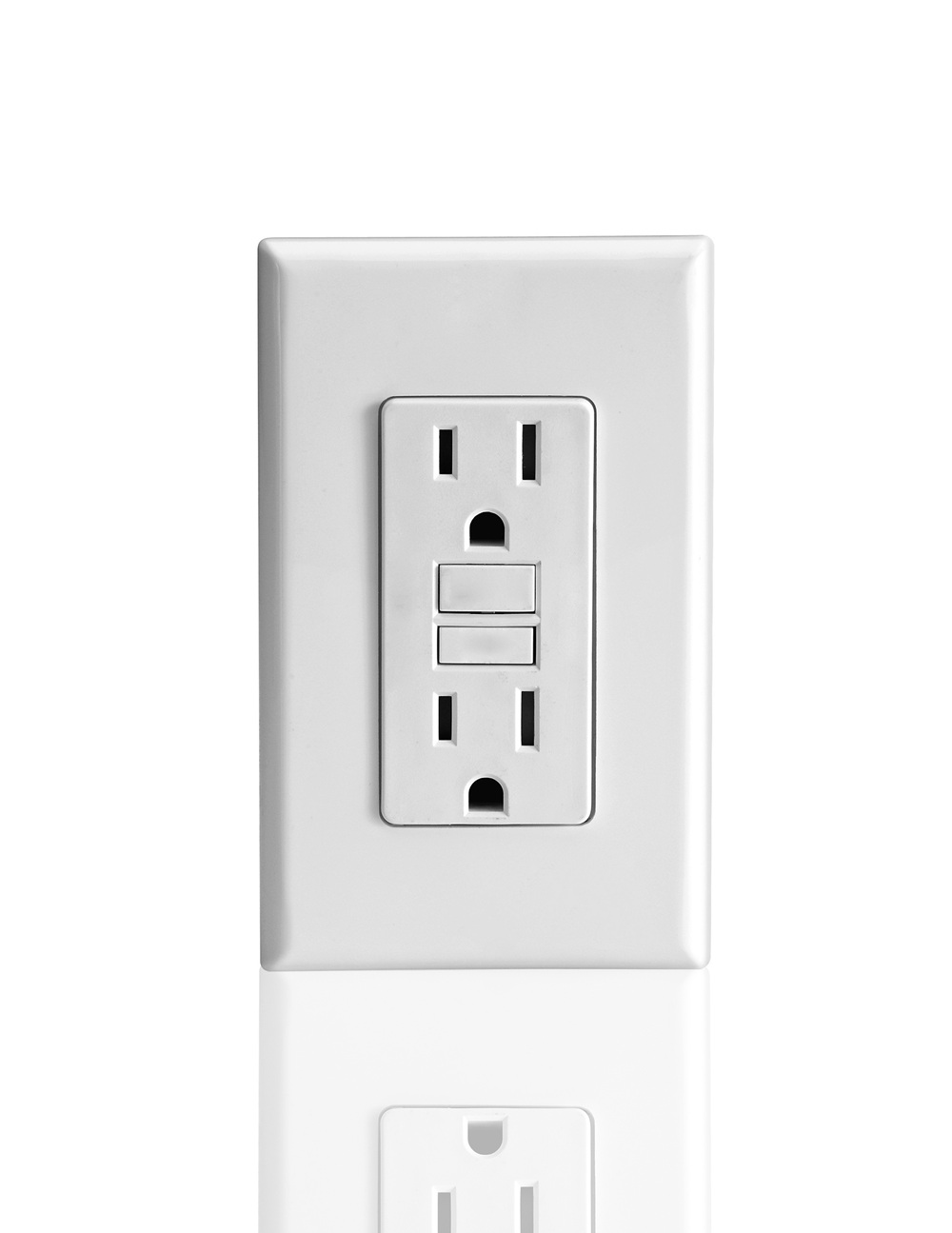
Bathrooms already required GFCI protection for shock safety. Now they need AFCI as well, which usually means a dual function breaker or an AFCI breaker paired with GFCI receptacles. It’s a small line item per breaker, but across a full panel it adds up in both cost and physical space.
Outdoor AC and Heat Pump Units Need GFCI Protection
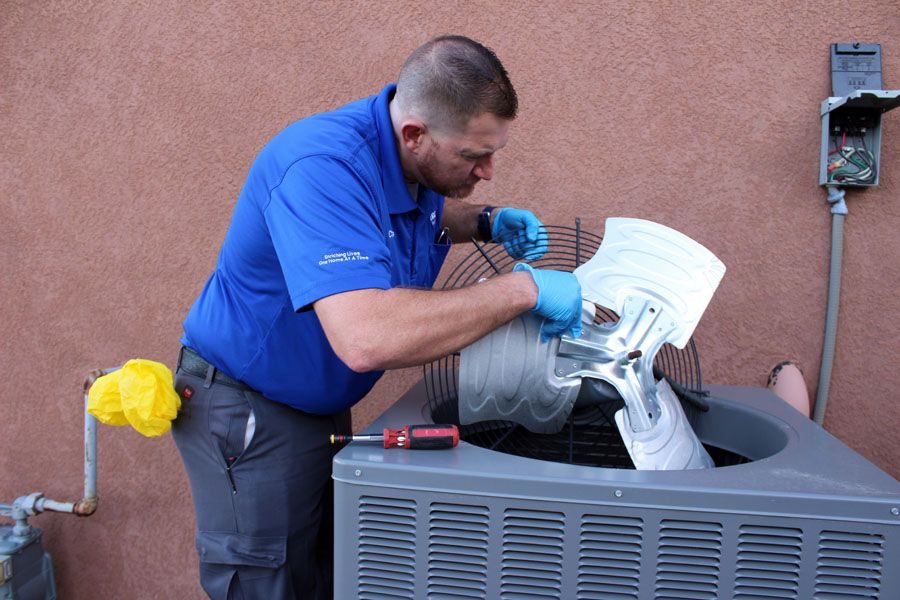
Starting September 1, 2026, outdoor HVAC equipment running at 208 or 240 volts, 50 amps or less, has to have GFCI protection. If you’ve had that AC condenser humming away in the backyard for fifteen years with no ground fault protection, this is new territory, and it’s one more thing an inspector will flag on a permitted job after that date. Modern inverter driven HVAC units can also cause nuisance tripping on older style GFCIs, so this is a spot where using the right rated equipment actually matters.
EV Charging Gets Real Code Language
Article 625 got a serious update. Receptacles used for EV charging at 30, 50, or 60 amps now have to be specifically listed for EV service, generic receptacles at those ratings won’t cut it anymore. If you’re even thinking about adding a Level 2 charger in the garage, this is the code your electrician will be working from, and it’s a big part of why panel capacity conversations are happening more often right now.
Outdoor Outlet GFCI Thresholds Are Rising
The amperage threshold for GFCI protected outdoor outlets is moving up from 50 amps to 60 amps. It’s a smaller change on its own, but it’s part of the same overall pattern: the code keeps closing gaps rather than leaving anything ungoverned.
More Breakers Need More Panel Space
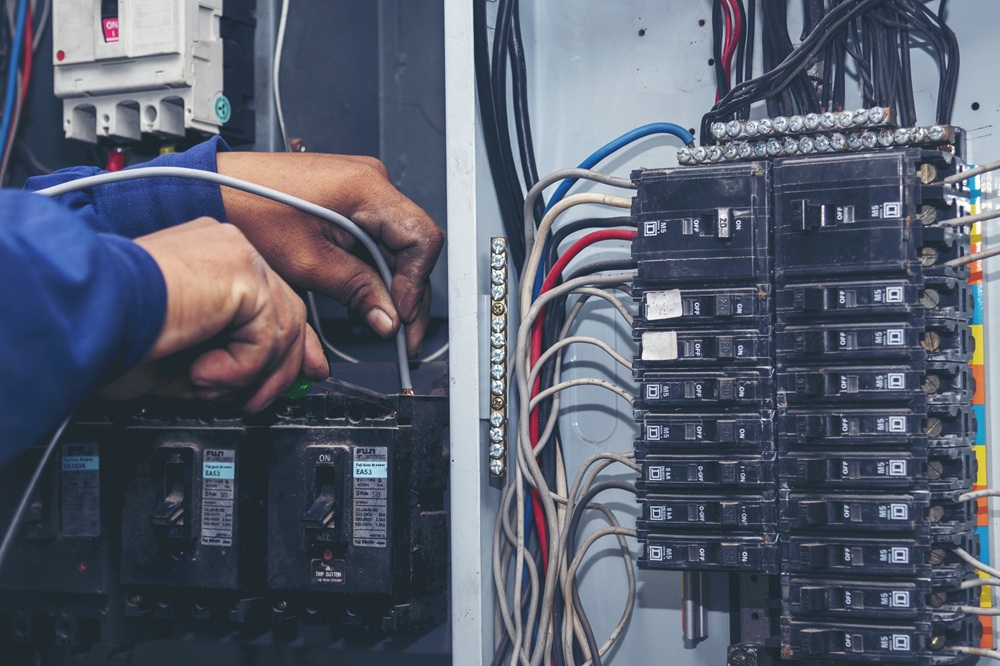
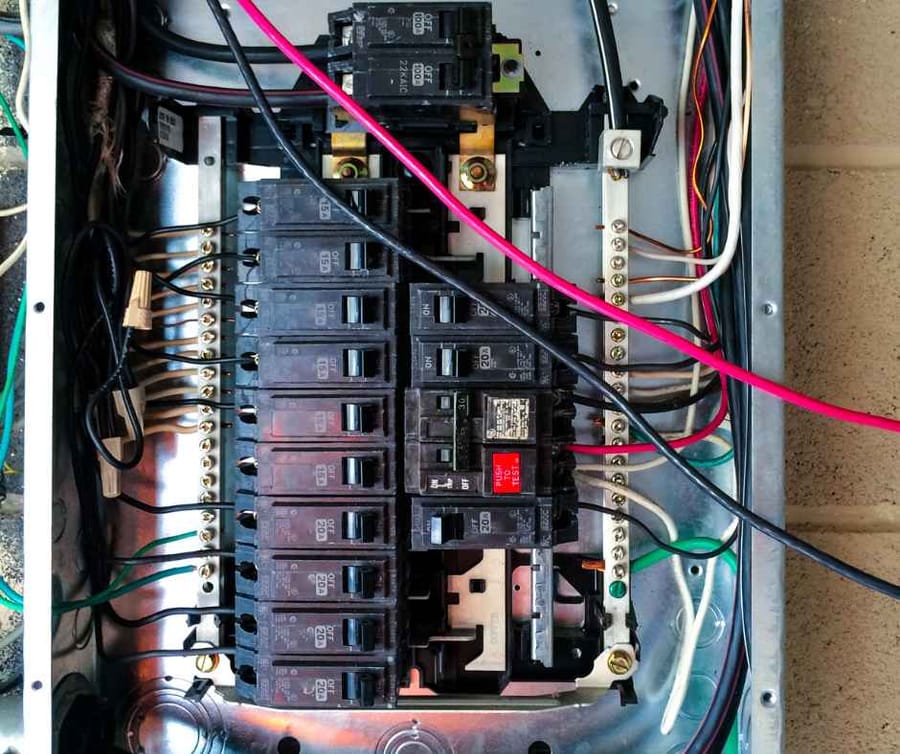
Here’s the part that actually connects all of this back to your panel. AFCI and GFCI breakers take up the same slot as a standard breaker, but stacking more of them into a panel that’s already full or near full runs you into a wall fast. A panel that had just enough room under the old code can end up short a few slots under the new one, especially in older homes that were never designed with this many protected circuits in mind. This is the single most common reason a straightforward remodel or addition turns into “we also need to talk about your panel.”
Does the 2026 Code Mean I Need to Replace My Panel?
Not automatically. Existing homes aren’t required to retrofit to a new code just because it changes, that’s the nature of how code adoption works. But there are a few situations where the 2026 code turns “eventually” into “soon.”
You’re Planning Any Permitted Electrical Work
Remodels, additions, panel work, or anything that requires a permit after August 1 will be inspected against the 2026 code. If your panel doesn’t have room for the AFCI and GFCI breakers that work requires, you’re looking at a panel upgrade as part of that project whether you planned for it or not.
You’re Adding an EV Charger
Between the updated receptacle requirements and the load a Level 2 charger puts on your system, this is one of the most common reasons Colorado Springs homeowners are calling about panel capacity this year. It’s worth getting your panel checked before you buy the charger, not after.
Your Panel Is Already Full or Using Tandem Breakers Everywhere
If your panel is already packed with double-tapped or tandem breakers just to fit your current circuits, there’s no room left to absorb new AFCI or GFCI requirements. That’s a capacity problem the code change didn’t create, but it will make it impossible to ignore.
Your Panel Is a Fuse Box or an Older Brand With Known Issues
Federal Pacific, Zinsco, and older fuse panels were already worth replacing for safety reasons, and they’re not going to accommodate modern AFCI and GFCI breaker requirements at all. If this is you, the code change is a good excuse to finally get it done.
If none of that describes your situation, there’s no need to panic or rush anything. Plenty of Colorado Springs homes will sail through the transition with no issues at all. But if you’re on the fence, an electrical panel evaluation is a fast, low pressure way to find out exactly where you stand before permitted work forces the question for you.
Why the Timing Actually Works in Your Favor
There’s a practical upside to knowing the exact date a code change takes effect: you get to choose your timing instead of having it chosen for you. Every code cycle brings a wave of homeowners who wait until they’re forced into an upgrade, usually mid-remodel or right when they need an inspection to close on a permit. That’s the worst time to be shopping for panel work, since scheduling gets tight and decisions get rushed.
Handling it before August 1 means you’re working on your timeline, not an inspector’s deadline. It also means any panel work you do now gets evaluated under the code that’s active today, giving your electrician more flexibility in how the job gets scoped.
Getting Ahead of the Deadline
If you’ve been putting off an electrical panel replacement or wondering whether your setup can handle an EV charger, the run-up to August 1 is the smart window to act. Pricing and scheduling tend to get tighter right as a new code takes effect and everyone who put it off shows up at once.
A quick electrical inspection from WireNut will tell you exactly where your panel stands: how much room you’ve got left, whether your current setup would pass under 2026 rules, and whether an upgrade now saves you a scramble later. No guessing, no scare tactics, just a straight answer from someone who’s been through this code cycle before.
Ready to find out where your panel stands? Schedule a visit and we’ll walk the whole thing with you.
Frequently Asked Questions
Is Colorado officially using the 2026 electrical code yet?
Not quite yet, but it’s close. The Colorado Electrical Board approved adoption of the 2026 National Electrical Code at a rulemaking hearing on May 27, 2026. The anticipated effective date is August 1, 2026, pending final sign off from the state legislature. Until then, Colorado is still operating under the 2023 NEC.
Do I have to update my existing panel to meet the 2026 code?
No. Code adoption isn’t retroactive, so an existing panel that was compliant when it was installed doesn’t automatically become illegal. The 2026 code applies to new construction, permitted remodels, and any electrical work done after the effective date. Where it usually comes into play for existing homes is when a permit is pulled for other work and the panel doesn’t have room to add the newly required breakers.
What is AFCI protection and why is it expanding under the 2026 code?
An arc fault circuit interrupter detects the kind of electrical arcing that can start a fire inside a wall, long before a standard breaker would trip. The 2026 code extends AFCI protection to nearly every 15 and 20 amp circuit in a dwelling, closing gaps that used to exist in bathrooms, garages, and some appliance circuits. It’s one of the biggest drivers behind panels needing more breaker slots than they used to.
Do I need GFCI protection for my outdoor AC unit?
Starting September 1, 2026, yes. Outdoor HVAC equipment operating at 208 or 240 volts and rated 50 amps or less will require GFCI protection under the new code. This applies to new installations and equipment replacements after that date, so it’s worth factoring in if you’re planning HVAC work this year.
Will these code changes affect my home insurance or resale value?
Outdated panels can complicate both. Home inspectors during a sale routinely flag panels with limited capacity, older brands with known issues, or missing modern protection, which can slow down a sale or become a negotiating point. On the insurance side, a panel that meets current safety standards is generally viewed more favorably in the event of a claim. Neither is a guarantee, but a panel in good standing removes one more variable from both situations.
How much does an electrical panel upgrade cost in Colorado Springs?
Cost depends on your panel’s current amperage, its condition, how many circuits need to move over, and whether any code driven upgrades like AFCI or GFCI breakers, grounding, or surge protection are needed. Every home is different, which is why we start with an on-site evaluation rather than a phone estimate. That visit gives you a real number based on your actual panel, not a guess.
What should I do before the 2026 code goes into effect?
If you’re planning any electrical work, an EV charger, a remodel, or you already suspect your panel is maxed out, get it evaluated now rather than waiting. Doing it before August 1 means you’re working on your own timeline instead of an inspector’s, and it often means more flexibility in how the project gets scoped. A quick electrical inspection will tell you exactly where you stand.