See our current specials →

Furnace Blowing Cold Air? Here’s What’s Going On
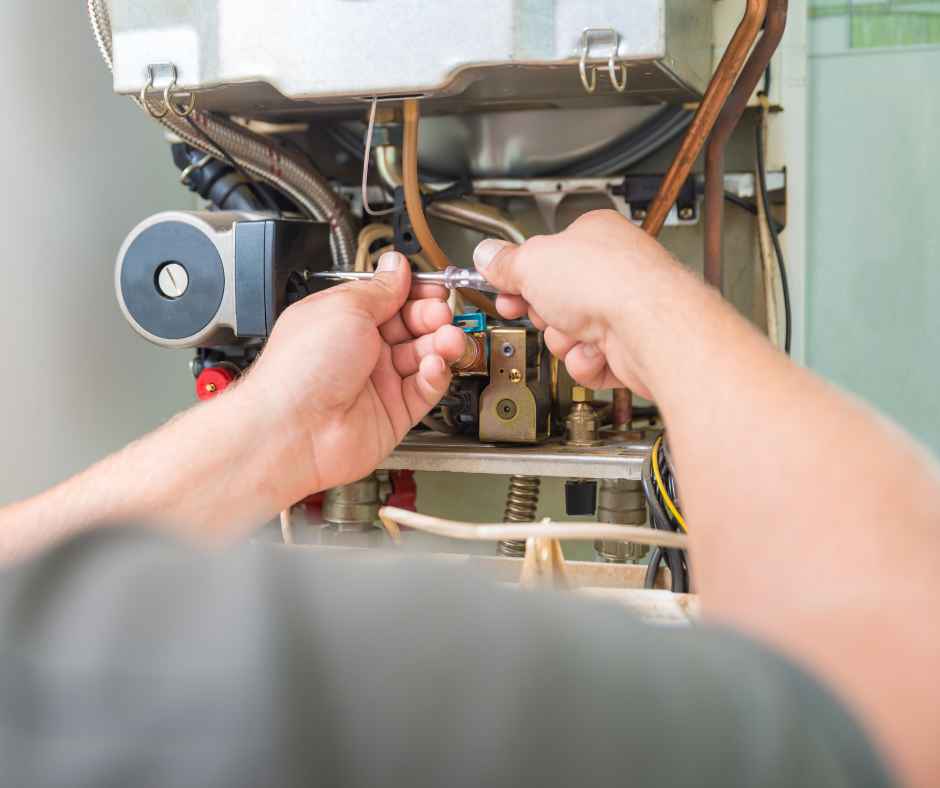
You finally gave in and turned the heat on. The furnace clicks, the blower hums, you hold your hand up to a vent, and out comes a breeze that feels like it came straight off Pikes Peak. Not exactly the cozy welcome you were picturing.
A furnace blowing cold air is one of the most common heating complaints we hear when the weather turns, and the good news is that the cause is often something simple. The not so good news is that sometimes it is not. Here is how to sort out which situation you are in, what you can safely check on your own, and when to hand it off to a pro.
First Things First: Is It Actually Cold Air?
Before you start troubleshooting, make sure you are not chasing a false alarm. Air from a working furnace typically comes out somewhere around 120 to 140 degrees, which feels clearly warm. But a few normal things can fool you:
- Many furnaces run the burners for a minute or so before the blower turns on, so the first few seconds can feel cool.
- Air that is warmer than room temperature but cooler than your skin can feel chilly when it is moving across your hand.
- If you are standing at a vent far from the furnace, the air can lose some heat on the way.
If the air stays cool for more than a few minutes, or it switches between warm and cold, then something is up. Let’s go through the usual suspects.
Common Reasons a Furnace Blows Cold Air
1. Your thermostat fan is set to ON instead of AUTO
This is the classic. When the fan is set to ON, the blower runs constantly, even when the burners are off. That means every time the furnace finishes a heating cycle, you get a stream of room temperature air from your vents. Flip the fan setting to AUTO so the blower only runs when the furnace is actually heating. It takes five seconds and solves a surprising number of “cold air” calls.
2. The thermostat is on the wrong setting, or it needs new batteries
Double check that the thermostat is set to heat, not cool or off, and that the temperature is set above the current room temperature. If the display is blank or acting funny, swap the batteries. Thermostat trouble can also come from wiring. Smart thermostats in particular can be picky about power, and if you have been thinking about an upgrade, it helps to know whether smart thermostats are actually worth it before you buy.
3. A dirty air filter is choking the system
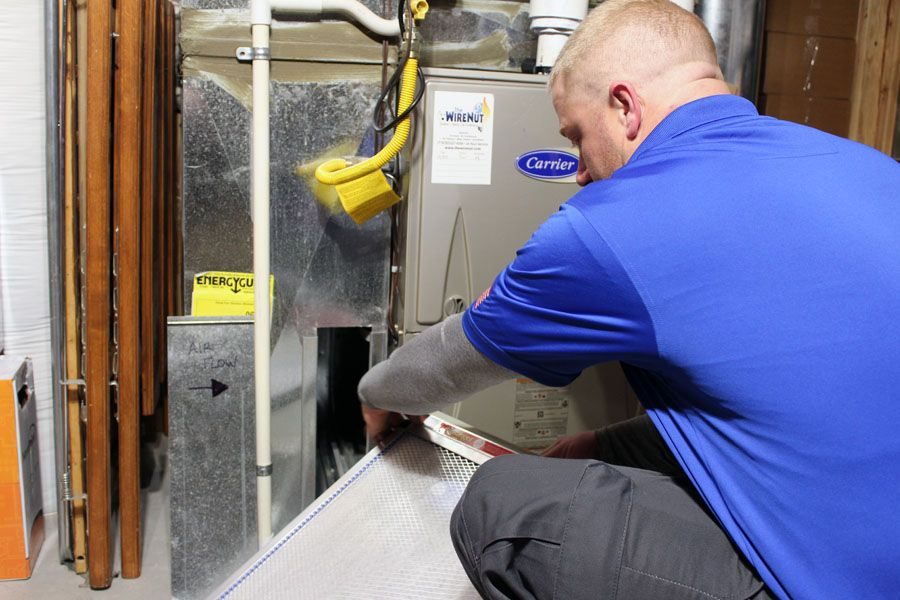
A clogged filter restricts airflow. Less air moving across the heat exchanger means it gets too hot, and the furnace has a safety switch called a limit switch that shuts the burners off when that happens. The blower may keep running to cool things down, and that is the cold air you are feeling. Pull the filter out and hold it up to a light. If you cannot see light through it, replace it.
4. The pilot light or igniter is not doing its job
Older furnaces use a standing pilot light, and if it goes out, the burners cannot light. Newer furnaces use an electronic igniter, which can crack or wear out over time. In either case, the blower may run with no flame, and the air from your vents will be cool. If you have an older furnace with a pilot and you are not 100 percent comfortable relighting it, leave it to a technician. Gas and guesswork do not mix.
5. A dirty flame sensor is shutting the burners off
The flame sensor is a small metal rod that confirms the burners lit. When it gets coated with residue, it cannot tell, so the furnace shuts the gas off after a few seconds as a safety measure. The classic sign is a furnace that lights, runs for a moment, then goes cold. It is a very common issue and a quick fix for a trained technician, but it is not a part you want to be poking around in on your own.
6. There is a gas supply problem
If the gas valve to your furnace is closed, or there is an interruption in your gas service, the furnace has nothing to burn. Check that the valve handle near the furnace is parallel to the pipe, which means open. If you smell gas at any point, leave the house immediately and call your gas utility’s emergency line and 911 from outside.
7. The furnace switch is off or a breaker has tripped
Furnaces are electrical appliances, and they need power to run all of their parts. Many have a wall switch that looks like a regular light switch, and it is surprisingly easy to flip by accident. Check that switch and the furnace breaker in your panel. If the breaker flips off again right after you reset it, stop. A breaker that keeps tripping is telling you there is a problem with the motor, the wiring, or the control board, and repeated resetting is not the answer.
8. A clogged condensate drain on a high efficiency furnace
High efficiency furnaces produce condensation, and it has to drain away. If the drain line clogs, or freezes during a cold snap, a safety switch can shut the furnace down. You may hear the blower run without any heat. This one is worth a call, especially if your furnace has been fine until the temperature dropped.
9. Leaky or blocked ductwork
If your furnace is making heat but your vents are blowing cool, the heat may be getting lost along the way. Disconnected or leaky ducts, especially in unheated basements, crawl spaces, or attics, can leave the air lukewarm by the time it reaches a room. Closed or blocked vents can cause problems too, so make sure registers are open and nothing is parked on top of them.
A Safe Five Minute Checklist
Before you call anyone, here are the things that are safe for any homeowner to check:
- Set the thermostat to heat, a few degrees above the current room temperature, and the fan to AUTO.
- Replace the batteries in the thermostat if it uses them.
- Check the filter and replace it if it is dirty.
- Make sure the furnace switch is on and the furnace breaker has not tripped.
- Confirm the gas valve near the furnace is open and the vents in your home are not blocked.
- Turn the thermostat off for a minute, then back on to restart the cycle, and give the furnace ten minutes to respond.
And here is what not to do: do not open the furnace cabinet and start poking around, do not bypass any safety switches, do not keep resetting a breaker that keeps tripping, and do not try to relight a pilot if you are unsure how. Furnaces have safety systems for a reason.
When It Is Time to Stop Troubleshooting
Call a licensed technician if any of these sound familiar:
- You smell gas, burning, or anything electrical.
- The breaker keeps tripping.
- You hear clicking but never get a flame, or the furnace lights and shuts off over and over.
- There is a blinking light on the furnace control board. Many furnaces blink an error code through a small window, and telling the technician what you see can speed up the diagnosis.
- The furnace is older and has been showing other warning signs.
- Someone in the house has headaches, dizziness, or nausea. This can be a sign of carbon monoxide. Get outside and call for help.
If your furnace quit entirely in the middle of a cold snap, our post on what to do when your heat fails mid-winter in Colorado has tips for staying warm and protecting your pipes while you wait for service.
Why Colorado Furnaces Run Into This More Often Than You’d Think
Our weather is not doing your furnace any favors. We bounce between 65 degree afternoons and freezing mornings, which means furnaces cycle on and off a lot during the shoulder seasons. Dry, dusty air clogs filters faster. High efficiency furnaces with drain lines can run into trouble when temperatures drop quickly. And a furnace that sits idle all summer is going to find any weak spot the first time it has to work hard again.
The best defense is to treat your furnace like anything else with moving parts. Change the filter on schedule, keep vents clear, and get it looked at before the cold arrives. If yours is overdue, here are the signs your furnace is begging for a tune-up.
Cold Air Coming Out of Your Vents? Let’s Get You Warm
If you have run through the checklist and your furnace is still giving you the cold shoulder, there is no reason to sit there in a blanket cocoon. Our technicians can figure out exactly what is going on, whether it is a tripped switch, a worn igniter, or something deeper, and get your heat back on the right track. Contact The Wirenut to schedule your furnace repair and let us handle the cold air so you do not have to.
Frequently Asked Questions
Why is my furnace blowing cold air when the thermostat is set to heat?
The most common causes are a thermostat fan set to ON instead of AUTO, a dirty air filter causing the furnace to overheat and shut off, a dirty flame sensor, or a pilot or igniter problem. Start with the thermostat settings and the filter, then call a technician if the cold air continues.
Is it normal for a furnace to blow cold air at startup?
A short burst of cooler air is normal on many furnaces because the burners warm up the heat exchanger before the blower turns on. The air should turn clearly warm within a minute or two. If it stays cold for several minutes, something is wrong.
Why does my furnace blow cold air after it has been running for a while?
This often points to overheating, which can be caused by a clogged filter, blocked vents, or restricted airflow. The furnace shuts the burners off to protect itself, but the blower keeps running. A dirty flame sensor can cause the same symptom.
Can a dirty filter make my furnace blow cold air?
Yes. A clogged filter restricts airflow and causes the furnace to overheat, which triggers a safety switch that shuts off the burners. Changing the filter is one of the easiest things you can try, and it helps your system run better all winter.
Is it safe to keep running my furnace if it only blows cold air sometimes?
It is best not to. Intermittent cold air usually means a safety system is stepping in to stop a problem, and running the furnace through that can add wear or hide a bigger issue. Turn it off, run through the basic checks, and call a technician if it keeps happening.
What should I do if my furnace blows cold air in the middle of the night?
Check the thermostat settings, the filter, the furnace switch, and the breaker. If nothing fixes it, layer up, close doors to keep heat in one area, and leave faucets dripping slightly if temperatures are dropping well below freezing. Call for service as soon as you can, and avoid using ovens or unvented heaters to warm the house.