See our current specials →

That Burning Smell When You Turn On Your Furnace: Normal or Not?
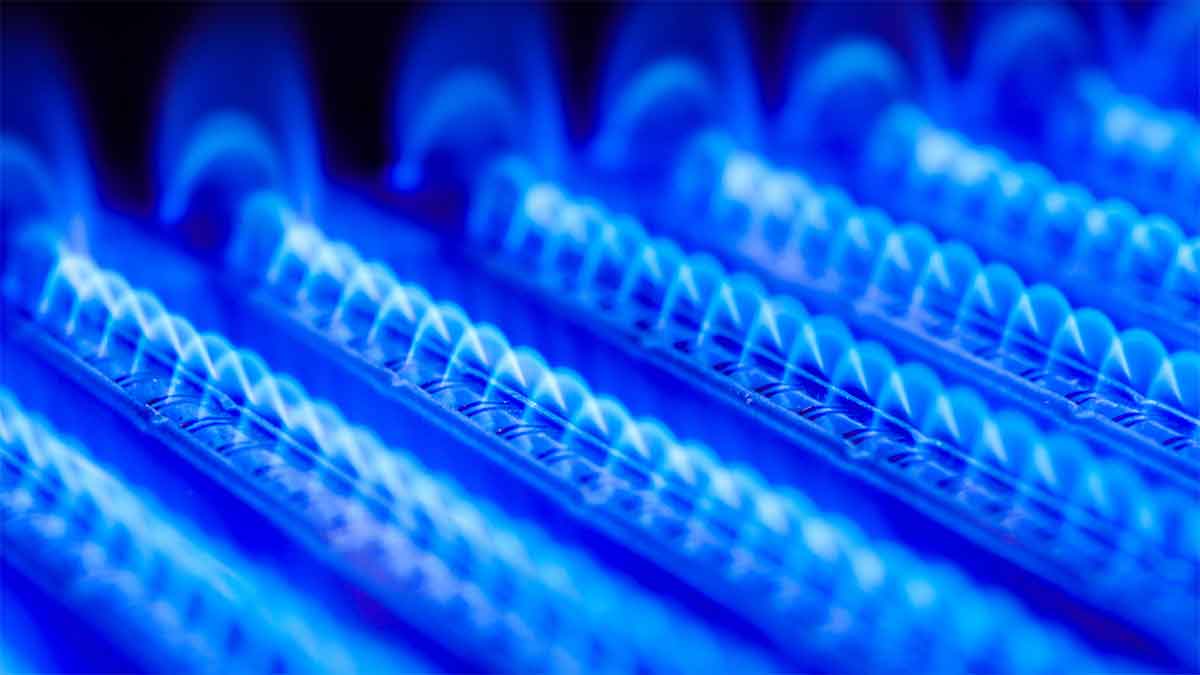
The first real cold snap hits, you nudge the thermostat up, and a few minutes later your house smells like someone is toasting something inside the walls. Before you start picturing the worst, take a breath. A burning smell the first time you fire up your furnace in the fall is one of the most common things Colorado homeowners notice every single year, and most of the time it is completely harmless.
Most of the time. A few smells are a heads up, and one or two mean you should walk out the door and make a call. This guide breaks down which is which, what to do in the moment, and how to keep next October a lot less dramatic.
Why Your Furnace Smells Like Burning Dust the First Time Each Fall
Your furnace has basically been napping since spring. While it slept, dust settled on the burners, the heat exchanger, the blower compartment, and inside your ductwork. The first time the heat kicks on, all of that dust gets warmed up and cooks off. It is the same reason a space heater smells funny the first time you pull it out of the garage.
Colorado makes this a little more noticeable. Our dry air and fine dust, plus pets, remodeling projects, and the occasional ash from a smoky summer, mean there is plenty of material waiting to toast. Add a filter that has not been changed since the last time you thought about it, and you have a recipe for that classic first-run smell.
What normal dust burn off smells like
Harmless dust burn off tends to have a pretty recognizable personality:
- It smells warm and dusty, a bit like a toaster, a hair dryer, or a space heater that has been in storage.
- It shows up when the furnace starts a cycle and fades as the cycle goes on.
- There is no smoke, no popping or banging, and no sharp chemical or fishy edge to it.
- It gets weaker each time the furnace runs instead of stronger.
How long it should last
As a rule of thumb, dust burn off fades within a few hours of the furnace running, and it is usually gone after a day or two of regular heating. If the smell is still hanging around after that, stop calling it dust and start treating it as a clue.
Easy ways to take the edge off
- Swap in a fresh filter before the first run. A clean filter means less dust in the airflow and less to burn.
- Do a test run on a mild afternoon in early fall instead of waiting for the first freezing night. Crack a window or run a bathroom fan while it does its thing.
- Vacuum around the furnace and wipe down the supply vents and return grilles.
- Move anything stored near the furnace out of the way. Holiday decorations, paint cans, cardboard boxes, and laundry baskets do not belong next to a heat source.
If you want to know what a pro looks at while your furnace is getting its pre-season checkup, we walk through the whole process in what actually happens during a furnace tune-up.
Burning Smells That Are Not Normal
Here is where we switch from “relax, it’s dust” to “pay attention.” Different smells point to different problems, so the more specific you can be about what your nose is picking up, the better.
| What you smell | What it could mean | What to do |
|---|---|---|
| Rotten eggs or sulfur | Natural gas leak | Leave the house right away and call from outside |
| Hot plastic or melting rubber | Something too close to the furnace, or a struggling blower motor | Turn the furnace off and check the area around it |
| Fishy or sharp electrical smell | Overheating wiring, capacitor, or control board | Turn the furnace off at the switch and breaker, then call a pro |
| Smoke from vents or the furnace | Serious overheating or a fire risk | Shut it down and call for help right away |
| Dusty smell that does not fade after a day or two | Dirty filter, dirty components, or restricted airflow | Change the filter, then schedule a checkup |
Rotten eggs or sulfur
Natural gas has no smell on its own, so utilities add a rotten egg scent to make leaks easy to catch. If you smell that near your furnace, do not wait to see if it goes away. Leave the house, do not flip light switches or use anything electrical on your way out, and call your gas utility’s emergency line and 911 from outside. Do not go back in until it has been cleared.
Hot plastic or melting rubber
This one usually comes down to one of two things. Either something is sitting too close to the furnace and getting warm, or a part inside the furnace, like the blower motor, is running hot. Turn the furnace off and check the area around it. If you find a stray storage bin or a pile of laundry, move it and try again. If there is nothing nearby and the smell comes back, it is time for a technician.
A fishy or sharp electrical smell
An electrical burning smell often shows up as something sharp, a little fishy, or like a hot circuit board. Furnaces are electrical appliances as much as they are heating appliances, and overheating wires, a failing capacitor, or a tired blower motor can all cause that smell. Turn the furnace off at the thermostat, then at the furnace switch, and flip off the breaker if you can do it safely. Electrical overheating is not something to wait out.
Smoke or a smell that keeps getting stronger
A faint whiff on startup is one thing. Visible smoke, a smell that gets stronger as the furnace runs, or any smell paired with popping, banging, or scorching sounds is another. Shut the system down. If there is more than a wisp of smoke, get everyone outside and call 911.
Why you cannot rely on your nose for carbon monoxide
Carbon monoxide has no smell at all, which is exactly what makes it dangerous. A cracked heat exchanger or poorly vented furnace can let it into your home, and you would never catch it by sniffing. Headaches, dizziness, nausea, or flu-like symptoms that ease when you leave the house are worth taking seriously. Make sure you have working carbon monoxide detectors near sleeping areas, and test them when you change your clocks. If an alarm goes off, get outside first and ask questions later.
What to Do the Moment You Smell Burning
If you are standing in your kitchen wondering what to do right now, here is the quick version:
- Figure out what kind of smell it is. Dusty and warm is very different from sulfur, plastic, or electrical.
- If it smells like gas, leave immediately and call from outside.
- If you see smoke or smell something electrical, turn the furnace off at the thermostat and the furnace switch, and shut off the breaker if you can safely reach it.
- Open a few windows to air things out.
- Look around the furnace for anything stored too close, like boxes, rags, or chemicals.
- Check the filter. A filter packed with dust can restrict airflow and cause the furnace to run hot.
- If the smell is anything other than mild dust, or it sticks around, call a licensed technician before running the system again.
Why Colorado Homes Get Extra Smelly in October
Colorado has a few quirks that make that first fall startup more interesting than it would be somewhere else. Our humidity is low, which means dust travels easily and settles everywhere. Many homes have furnaces tucked into basements, garages, or utility closets that double as storage, which gives dust and clutter a front row seat. And swings between warm afternoons and freezing mornings in the fall mean the furnace often fires up after months off and then immediately gets asked to work hard.
Altitude plays a role too. Colorado Springs sits at roughly 6,000 feet, and gas furnaces need to be set up correctly for thinner air. If you are curious about how elevation changes the way your system behaves, our guide to heating your home at altitude gets into the details.
How to Keep Next Year’s First Fire Up Boring
The best way to make the first burning smell a non-event is to prep before the temperature drops. A few habits go a long way:
- Schedule a tune-up in late summer or early fall, before the first cold night, when no one is waiting on a repair. If you are not sure whether yours is overdue, here are the signs your furnace is begging for a tune-up.
- Change the filter on a regular schedule, and definitely before the heating season starts.
- Keep the area around the furnace clear. Think of it as a little no-clutter zone.
- Test your carbon monoxide detectors and replace the batteries.
- Do a short test run on a mild day so the dust burns off on your schedule, not at 10 pm on the coldest night of the year.
Not Sure What You’re Smelling? Let’s Take a Look
A little dusty smell on the first run is part of fall in Colorado. A smell that is sharp, stubborn, electrical, or paired with weird noises is your furnace asking for help, and it is always better to have a pro check it out than to guess. If something does not smell right at your place, our team can inspect your furnace, find the source, and get your heat running safely again. Contact The Wirenut to schedule your furnace service and let us take the mystery out of that mystery smell.
Frequently Asked Questions
Is it normal for my furnace to smell like burning the first time I turn it on?
Yes, in most cases. Dust settles on the burners and heat exchanger while your furnace sits unused over the warm months, and it burns off when the system starts up again. The smell should be mild, dusty, and fade as the furnace runs.
How long should the burning dust smell last?
Typically a few hours of run time, and it is usually gone after a day or two of regular heating. If it lasts longer than that, gets stronger, or comes with other symptoms like strange noises or visible smoke, have a technician take a look.
Why does my furnace smell like burning plastic?
Usually something is too close to the furnace and heating up, or a component such as the blower motor is overheating. Turn the furnace off, check for stored items near it, and call a technician if there is nothing nearby or the smell returns.
What should I do if I smell rotten eggs near my furnace?
Treat it as a possible gas leak. Leave the house right away without flipping switches or using electronics, and call your gas utility’s emergency line and 911 from outside. Do not go back in until you have been told it is safe.
Can a dirty furnace filter cause a burning smell?
It can. A clogged filter restricts airflow, which makes the furnace run hotter than it should and can bake dust and debris. Replacing the filter is one of the easiest first steps, and it helps your furnace run better all season.
Should I turn off my furnace if I smell something burning?
If the smell is faint, dusty, and fading, you can usually let the furnace finish its cycle and keep an eye on it. If the smell is chemical, electrical, rubbery, or comes with smoke, shut the furnace off and call a professional before using it again.