See our current specials →

Heating Your Home at Altitude: What Colorado Springs Homeowners Need to Know
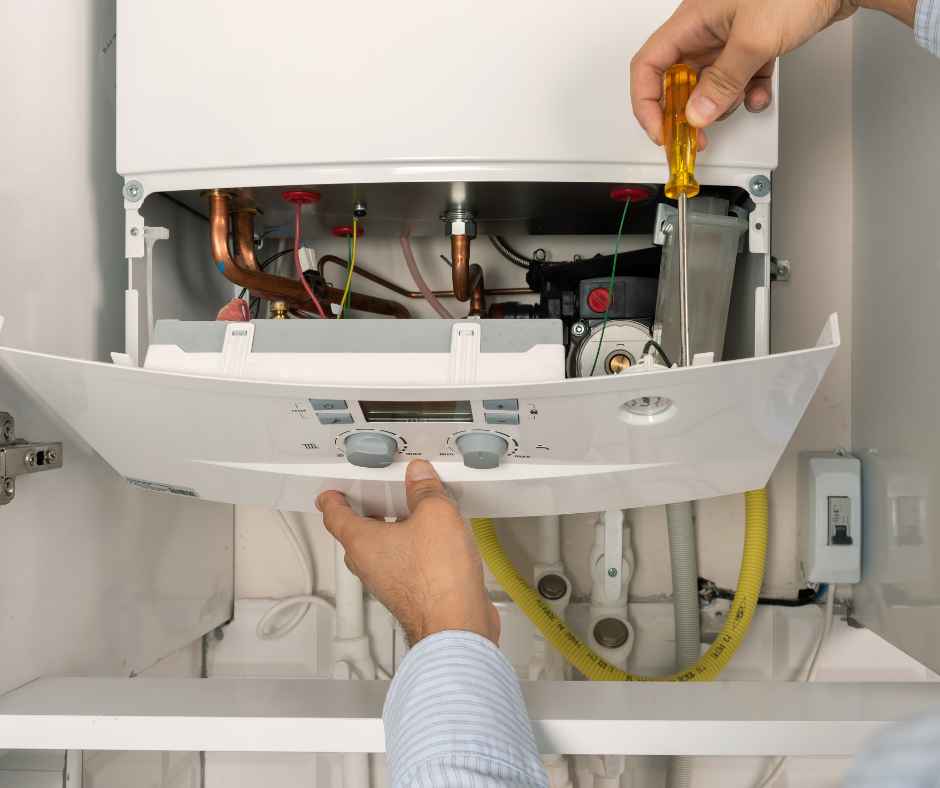
How Altitude Affects Home Heating in Colorado Springs
Colorado Springs sits at roughly 6,035 feet above sea level, and that elevation does something most homeowners don’t think about until their heating bill arrives: it changes how your furnace works. At altitude, the air is thinner and contains less oxygen, which directly affects combustion-based heating equipment. Most furnaces are engineered and tested at sea level, where oxygen levels are higher and combustion ratios are predictable. Install that same furnace in Colorado Springs without proper altitude adjustments and it will burn fuel inefficiently, produce less heat, and work harder than it should to keep up.
The result is a system that drives up utility costs, experiences more wear, and may struggle to maintain consistent temperatures on the coldest Front Range nights. The fix isn’t a new furnace. In most cases it’s proper calibration, the right equipment choice, and a maintenance routine built around local conditions rather than generic manufacturer recommendations.
Common Heating Challenges for Colorado Springs Homeowners
Altitude isn’t the only variable Colorado Springs throws at heating systems. The combination of elevation, dry climate, and dramatic seasonal swings creates a specific set of challenges that homeowners at lower elevations simply don’t deal with.
Furnace Efficiency Drops at Elevation
A furnace relies on a precise fuel-to-air ratio for complete combustion. At 6,000 feet, there’s roughly 20% less oxygen in the air than at sea level. That imbalance causes incomplete combustion, which means your furnace burns more fuel to produce less heat. A unit rated at 95% efficiency at sea level can operate noticeably below that rating in Colorado Springs without altitude-specific adjustments. That gap shows up directly on your Black Hills Energy or Colorado Springs Utilities bill every month.
Dry Air and Indoor Comfort
Colorado Springs’ dry mountain air gets even drier when you heat it. Low humidity causes dry skin, irritated sinuses, static electricity, and a general feeling that the house never quite feels warm even when the thermostat says it should. Low moisture also allows dust and particulates to circulate more freely, which affects indoor air quality throughout the heating season.
Accelerated Wear on Equipment
Because heating systems in Colorado Springs run longer and work harder to compensate for altitude-related efficiency losses, they accumulate wear faster than comparable systems at lower elevations. That added strain shortens equipment lifespan, increases the frequency of repairs, and raises the odds of an unexpected breakdown on a January night when temperatures drop hard and fast.
Solutions for Heating Your Colorado Springs Home at Altitude
None of these challenges are insurmountable. Colorado Springs homeowners who take the right steps can get reliable, efficient heating all winter without overpaying on energy costs or burning through equipment prematurely.
Altitude Adjustments from a Local HVAC Professional
The single most important step is having your furnace properly adjusted for Colorado Springs’ elevation. A qualified HVAC technician who understands local conditions can modify burner settings, fuel delivery, and airflow to restore the correct combustion ratio. This is not a DIY adjustment. It requires calibrated tools and knowledge of how specific equipment behaves at altitude. Skipping it means your system runs inefficiently every single heating cycle.
Humidity Control and Air Quality
A whole-home humidifier connected to your HVAC system addresses the dry air problem at the source rather than treating symptoms room by room. Balanced humidity makes your home feel warmer at lower thermostat settings, reduces static and sinus irritation, and helps your heating system operate more efficiently. Pairing humidity control with regular filter changes and periodic air duct cleaning keeps your indoor environment healthier and your system running cleaner throughout the season.
Choosing Equipment Designed for High-Altitude Performance
If you’re replacing an aging system, equipment selection matters more in Colorado Springs than it does in lower-elevation markets. Variable-speed furnaces and high-efficiency units that modulate output based on demand handle the combustion challenges of altitude better than single-stage systems that run at full blast or not at all. A local HVAC professional can recommend specific models with a track record of strong performance at Front Range elevations, which is a different conversation than what a big-box store salesperson is likely to have with you.
Heat Pumps as an Altitude-Aware Alternative
Modern cold-climate heat pumps have improved dramatically and can now extract usable heat from outdoor air even during Colorado Springs’ coldest stretches. Because they move heat rather than generate it through combustion, they sidestep many of the altitude-related efficiency losses that affect furnaces. For homeowners considering a system upgrade, a dual-fuel setup that pairs a heat pump with a gas furnace backup is worth discussing with a qualified technician.
Preventative Maintenance Tips for Colorado Springs Winters
The right equipment is only part of the equation. Consistent maintenance keeps your system performing at its best throughout the heating season and prevents small issues from turning into expensive repairs.
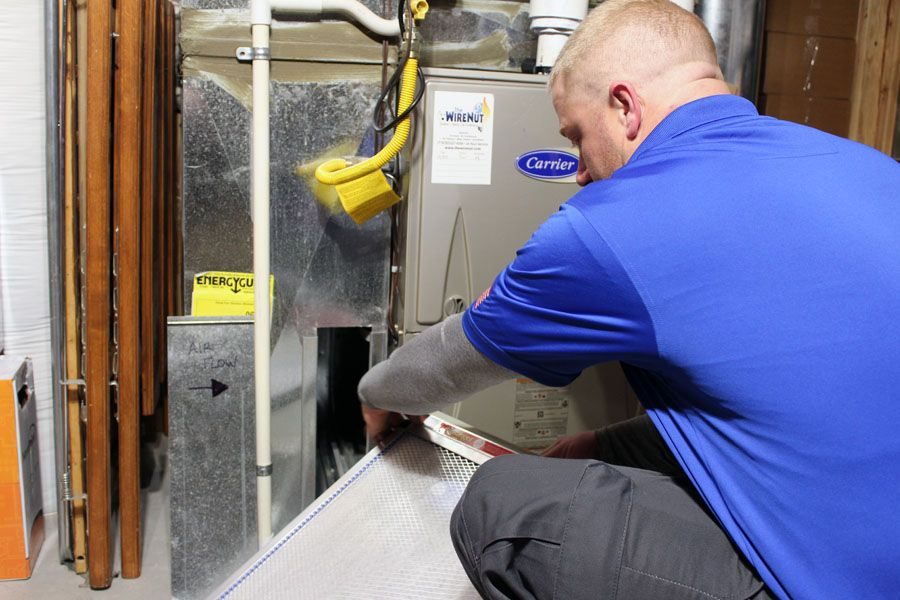
- Schedule annual heating maintenance: A pre-season tune-up ensures your furnace is altitude-calibrated, cleaned, and operating at peak efficiency before the first hard freeze hits.
- Replace filters regularly: Colorado Springs’ dry, dusty air loads up filters faster than many homeowners expect. Check monthly and replace every one to three months depending on conditions.
- Seal air leaks: Gaps around windows, doors, and penetrations let warm air escape and force your system to run longer. Weatherstripping and caulk are cheap insurance against heat loss.
- Add attic and crawl space insulation: Heat rises and escapes through under-insulated attics faster than almost anywhere else. Improving insulation is one of the highest-return efficiency investments a Colorado Springs homeowner can make.
- Use a programmable or smart thermostat: Dialing back a few degrees overnight or while the house is empty reduces runtime without sacrificing comfort, and modern smart thermostats do this automatically based on your schedule.
Stay Warm This Winter With WireNut Home Services
Heating a Colorado Springs home at altitude isn’t the same as heating anywhere else, and the technicians who service your system should understand that difference. WireNut Home Services has been working in Colorado Springs homes since 2004 and knows how local elevation, climate, and utility infrastructure affect heating performance. Whether you need altitude adjustments on an existing furnace, a full system replacement, or a maintenance visit before temperatures drop, our team brings the local knowledge and technical experience to get it right.
Schedule your heating service online with WireNut Home Services today and head into winter with a system you can count on.
Frequently Asked Questions About Heating at Altitude in Colorado Springs
Colorado Springs homeowners ask us these questions about high-altitude heating all the time.
Why is my furnace less efficient in Colorado Springs than the manufacturer rating suggests?
Furnace efficiency ratings are established at sea level, where oxygen levels support complete combustion at the manufacturer’s designed fuel-to-air ratio. At Colorado Springs’ elevation of roughly 6,035 feet, there’s approximately 20% less oxygen in the air. That deficit throws off the combustion ratio, causing incomplete burning that wastes fuel and produces less heat per cycle. The gap between the rated efficiency and actual performance varies by equipment type and whether altitude adjustments have been made, but it’s a real and measurable difference that shows up on your Black Hills Energy or Colorado Springs Utilities bill every month. A qualified HVAC technician can recalibrate your furnace for local conditions and recover much of that lost efficiency.
How do I know if my furnace needs altitude adjustments?
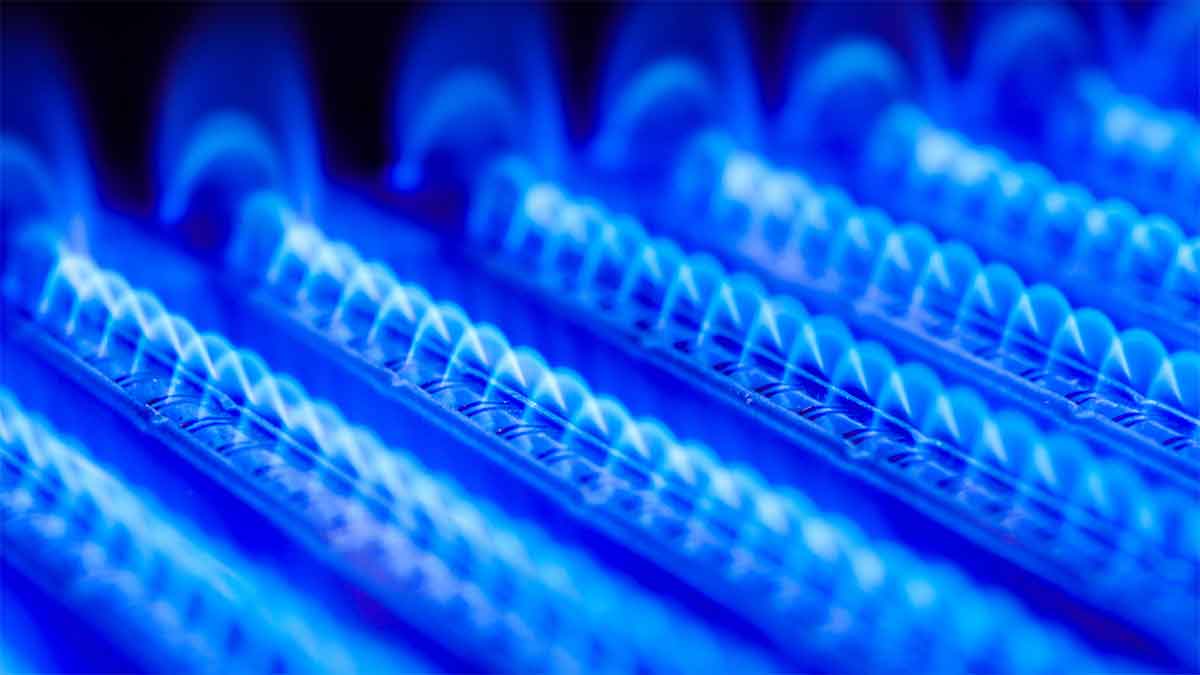
The most common signs include higher-than-expected energy bills, uneven heating throughout the home, a furnace that runs constantly without reaching the set temperature, a yellow or orange burner flame instead of a clean blue one, or soot buildup around the burner assembly. If your furnace was installed without altitude-specific calibration, or if it was moved from a lower-elevation location, the odds are high that it’s operating outside its optimal combustion range. A pre-season maintenance visit from a Colorado Springs HVAC professional includes a combustion analysis that confirms whether your system is properly tuned for local elevation.
Does altitude affect heat pumps the same way it affects furnaces?
Not in the same way. Heat pumps move heat rather than generate it through combustion, so they aren’t subject to the fuel-to-air ratio problems that affect furnaces at altitude. However, altitude does affect heat pump refrigerant behavior and compressor performance to some degree, and heat pumps need to be properly sized and charged for local conditions just like any other HVAC equipment. The bigger consideration for Colorado Springs heat pump owners is cold-weather performance during the hardest freezes of the year, which is why many local homeowners opt for a dual-fuel system that pairs a heat pump with a gas furnace backup for the coldest stretches.
How often should I schedule heating maintenance in Colorado Springs?
Once a year at minimum, ideally in early fall before the heating season begins. Colorado Springs’ altitude and climate put more demands on heating equipment than lower-elevation markets, so staying current on maintenance matters more here than the national average suggests. An annual tune-up ensures your furnace is altitude-calibrated, the heat exchanger is clean and intact, burners are firing correctly, and the system is ready for the sustained cold stretches that hit the Front Range from November through March. Skipping a year or two of maintenance is one of the most common reasons Colorado Springs homeowners end up with an emergency repair call in the middle of winter.
What is the best type of heating system for a Colorado Springs home?
It depends on your home’s size, existing infrastructure, insulation quality, and budget. High-efficiency variable-speed furnaces that modulate output based on demand handle altitude-related combustion challenges better than single-stage systems. Boilers are a strong option for older Colorado Springs homes with radiator systems already in place. Modern cold-climate heat pumps are increasingly viable and sidestep combustion efficiency losses entirely. A dual-fuel system combining a heat pump with a gas furnace backup gives you efficiency in mild weather and reliable backup capacity during the hardest freezes. A local HVAC professional can evaluate your specific home and give you an honest recommendation based on local performance data rather than general marketing claims.
Can dry air from my heating system damage my home?
Yes. Colorado Springs’ already dry climate gets significantly drier when you run forced-air heating through the winter, and sustained low humidity causes real problems beyond personal discomfort. Wood floors, trim, and furniture can crack or warp as they lose moisture. Paint can separate from walls. Door and window frames can shift enough to create gaps that let cold air in and warm air out. Musical instruments, artwork, and electronics are also vulnerable to prolonged low humidity. A whole-home humidifier integrated with your HVAC system maintains a healthy indoor humidity level year-round and protects both your family’s comfort and your home’s structural materials throughout the heating season.
What temperature should I set my thermostat to in a Colorado Springs winter?
The Energy Department recommends 68 degrees Fahrenheit when you’re home and awake, with setbacks to 60 to 65 degrees overnight or when the house is empty. In Colorado Springs, where winters can bring sustained cold stretches and overnight lows well below freezing, staying above 60 degrees at all times is also important for pipe protection, particularly in older homes with plumbing on exterior walls or in unconditioned spaces. A smart thermostat handles these setbacks automatically based on your schedule and can be adjusted remotely if you’re away from home during an unexpected cold snap. If your home struggles to reach or maintain your set temperature, that’s a sign your heating system may need altitude adjustments or maintenance rather than simply running the thermostat higher.