See our current specials →

What Actually Happens During a Furnace Tune Up
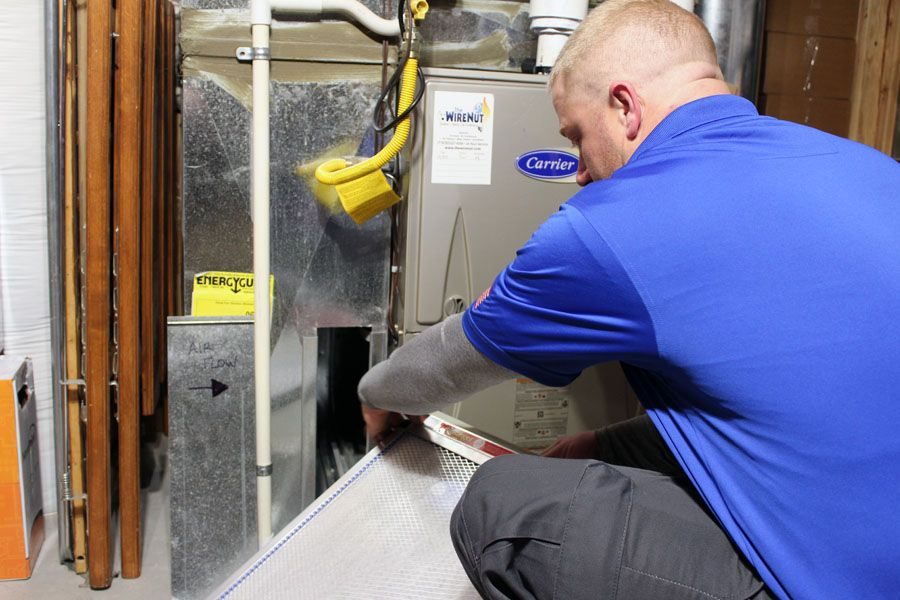
“Furnace tune up” is one of those services everyone knows they’re supposed to book, but almost nobody actually knows what happens once the technician gets there. Is it a quick look and a filter swap? Something more involved? Are they just being polite while they poke around for twenty minutes? Here’s what’s really going on, step by step, so you know exactly what you’re paying for.
Think of it like a check up, not a quick glance
A real furnace tune up isn’t a five minute peek. It’s closer to a full check up for your whole heating system, top to bottom, inside and out. The goal is to catch small issues before they turn into a no-heat emergency, and to make sure your furnace is running as efficiently as possible for the whole winter, not just the first cold week.
Most appointments run somewhere between sixty and ninety minutes, depending on the age of your system and whether anything unexpected turns up along the way. Here’s the general order things usually happen in.
Before the technician even opens the panel
A good tune up starts with a conversation, not a toolbox. Your technician should ask if you’ve noticed anything unusual, whether that’s a strange smell, an odd noise, higher bills, or a room that never seems to warm up right. This matters because it tells them where to pay extra attention once they get into the system. If you’ve read our piece on signs your furnace is begging for a tune up, this is your moment to mention anything from that list.
They’ll also take a look at your thermostat before touching the furnace itself. A miscalibrated or misprogrammed thermostat can make a perfectly healthy furnace look like it has a problem, so ruling that out early saves time.
The inspection part
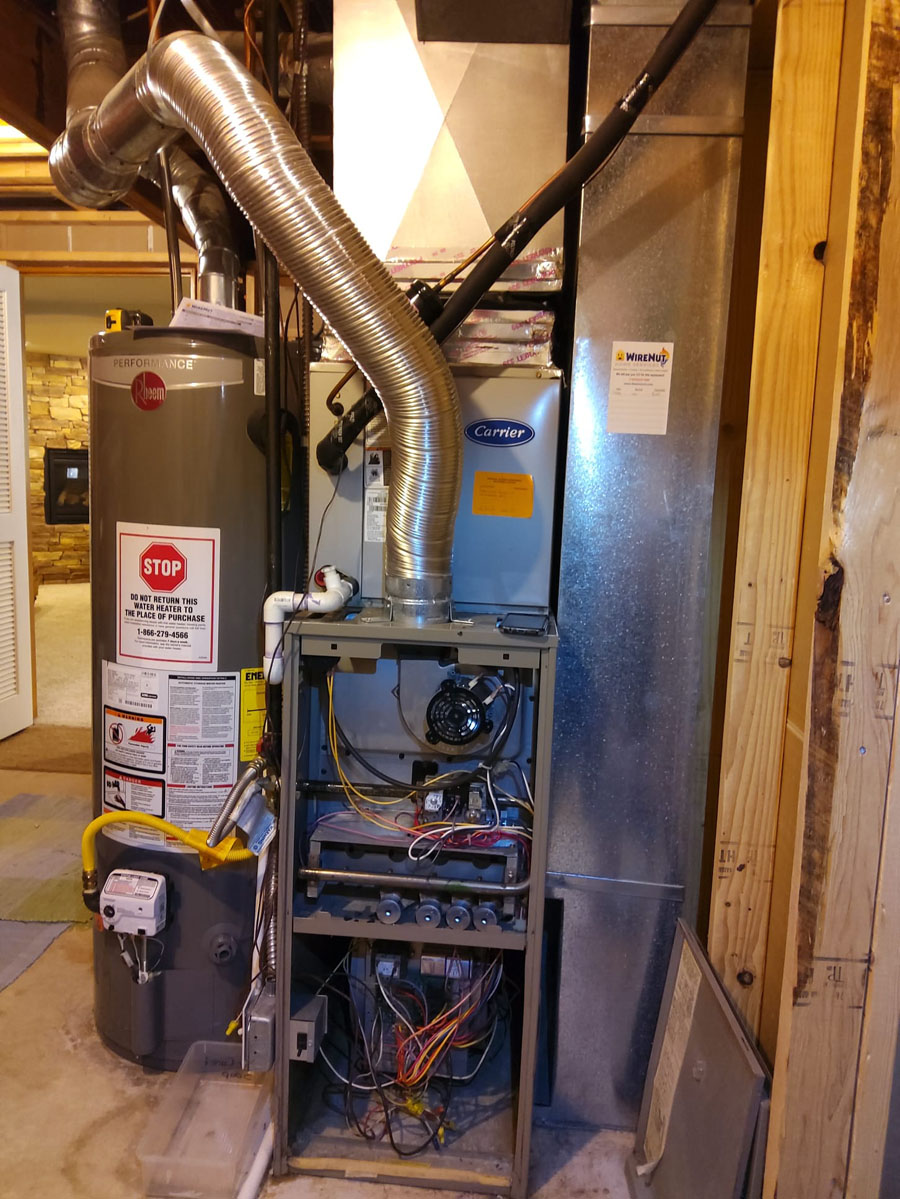
Once they get into the actual unit, the inspection covers a lot of ground. Here’s what’s typically on the list:
- Checking the heat exchanger for cracks or corrosion, since this is one of the more serious issues a furnace can develop and a major safety concern if missed.
- Inspecting the burners for uneven flame patterns or buildup.
- Looking over the ignition system, whether that’s a pilot light, hot surface ignitor, or intermittent pilot, to confirm it’s firing reliably.
- Checking electrical connections and wiring for looseness or wear.
- Testing safety controls like the limit switch and flame sensor.
- Reviewing the condition of the blower motor and belt, if your system has one.
This is the part that catches the stuff you can’t see from the outside. A furnace can look and sound fine while quietly developing a crack in the heat exchanger or a burner that’s not firing evenly, and this inspection is what catches it before it becomes a bigger problem.
The cleaning part
This is the part people skip when they try to handle maintenance themselves, and it makes a real difference. Burners and flame sensors get cleaned so combustion stays efficient and consistent. A dirty flame sensor is actually one of the most common reasons furnaces shut off unexpectedly, and it’s a five minute fix once someone’s actually looking at it.
The blower motor and blower wheel get cleaned too, since dust buildup there quietly kills airflow over time without you ever noticing until your energy bill creeps up. Filters get checked and replaced if needed, and the technician will typically flush out any accumulated dust around the burner assembly and control compartment. A clean system runs quieter, uses less energy, and just plain lasts longer than one that’s never had the dust cleared out.
The safety checks
This is arguably the most important part of the whole appointment, even though it’s the part that gets the least attention in most explanations of what a tune up covers. Your technician checks for carbon monoxide leaks using a dedicated detector, tests gas pressure and connections to confirm they’re within spec, and makes sure your venting and flue are clear and drafting properly.
A blocked or improperly drafting flue can allow combustion byproducts to back up into your home instead of venting outside, which is a serious safety issue that doesn’t always come with obvious warning signs. These checks exist specifically to catch that kind of problem before it ever becomes dangerous, not after.
The performance test
Once everything is cleaned and inspected, the system gets fired up and tested under normal operating conditions. Your technician will check the temperature rise across the heat exchanger, confirm the cycling is working correctly, and make sure airflow is consistent throughout the house rather than just at the unit itself.
This is also where you find out if that uneven heating in the back bedroom is actually fixed, or if it points to something separate, like a duct issue that needs a closer look on its own. A good technician will walk you through what they found here in plain language, not just a checklist of technical terms.
What happens if they find something
Not every tune up is a clean bill of health, and that’s actually the point. If your technician finds something during the inspection, whether that’s a worn part, a safety concern, or something that’s just approaching the end of its useful life, they should explain what it is, why it matters, and what your options are. A tune up isn’t an upsell opportunity, it’s information you get to act on or not.
Sometimes the fix is included in the visit, like clearing a clogged condensate line or tightening a loose connection. Other times it’s a bigger repair that needs to be scheduled separately. Either way, you should leave the appointment knowing exactly what condition your furnace is in, not just that it’s “good for now.”
What you can expect afterward
After a thorough tune up, most homeowners notice a few things over the following weeks. Energy bills tend to trend down slightly, since a clean, well calibrated system doesn’t have to work as hard to hit the same temperature. Airflow often feels more even room to room. And the furnace itself tends to run a little quieter, since a lot of the rattles and hums people get used to are actually signs of dust and wear that maintenance clears up.
You should also come away with a rough sense of your system’s overall health and age. That’s useful information even if everything checked out fine, since it helps you plan ahead instead of being caught off guard if a bigger repair or replacement is on the horizon in the next few years.
How this compares to a boiler tune up
If your home runs on a boiler instead of a forced air furnace, the general philosophy is the same, catch small issues early, keep things clean and calibrated, confirm safety systems are working, but the specific steps look a little different. Boilers involve checking water pressure, inspecting for leaks, and testing components that a furnace simply doesn’t have. If you’re not sure which system your home uses, or you have both, our boiler maintenance page breaks down what that appointment looks like specifically.
How to get the most out of your appointment
There are a few small things you can do before your technician arrives that make the whole visit go smoother. Clear a path to your furnace, especially if it’s tucked in a closet or corner that’s turned into extra storage over the summer. Make a quick note of anything unusual you’ve noticed, even if it seems minor, since small details like “it only makes the noise when it first kicks on” can point a technician straight to the issue instead of them having to hunt for it.
If your furnace filter isn’t a standard size, or you know it’s been longer than usual since the last change, mention that up front too. And if you’ve got questions about your system’s age, efficiency rating, or whether it’s a good candidate for an upgrade down the road, a tune up appointment is a genuinely good time to ask, since your technician is already in there looking at everything.
Common questions about furnace tune ups
Is a furnace tune up the same as a repair? No. A tune up is preventive maintenance, meant to catch issues early and keep the system running efficiently. A repair fixes something that’s already broken. Sometimes a tune up leads to a repair recommendation, but the two are different services.
Do I need to be home for the appointment? Generally yes, since your technician will likely have questions and you’ll want to hear directly what they found rather than getting it secondhand.
What if nothing is wrong? That’s a good outcome, not a wasted visit. Confirming your system is healthy is exactly as valuable as catching a problem, since it means you can head into winter without worrying about it.
How is this different from just changing my own filter? A filter change addresses one part of one system component. A tune up covers ignition, combustion, electrical, safety controls, and overall performance. Changing your filter regularly is still important, it just isn’t a substitute for the rest of it.
Will a tune up fix a furnace that’s already not working? Sometimes, if the cause turns out to be something simple like a dirty flame sensor. But if your furnace has already stopped producing heat, that’s more of a repair situation than a scheduled tune up, and it’s worth mentioning that when you call so it gets prioritized appropriately.
A few myths worth clearing up
There’s a persistent idea that a tune up is really just a sales visit in disguise, where a technician shows up, glances at the furnace, and tries to talk you into a new system. A legitimate tune up is the opposite of that. It’s a documented inspection and cleaning process with a clear scope, and any repair or replacement recommendation should come with a clear explanation of what was found and why it matters, not just a quote.
Another common myth is that newer, high efficiency furnaces don’t really need this kind of attention since they’re built better than older models. High efficiency systems have more sophisticated components, including condensate lines and secondary heat exchangers, that benefit just as much from regular cleaning and inspection, sometimes more, since there’s more that can go wrong if it’s neglected.
Why it’s worth doing every year
A furnace tune up catches the small stuff before it becomes the expensive stuff. It keeps your energy bills in check, extends the life of your system, and gives you one less thing to worry about when it’s ten degrees outside and every furnace in Colorado Springs is working overtime. It’s a lot cheaper than an emergency repair, and considerably less stressful too, especially compared to discovering a problem at 6am on the coldest morning of the year.
If it’s been a while since your last one, or you’re just curious what shape your system is in heading into winter, now’s a good time to get it on the calendar before the schedule fills up. October and early November tend to book up fast once the first real cold snap hits and everyone remembers their furnace all at once, so getting ahead of that rush is worth it on its own.
Ready to get your furnace checked, cleaned, and winter ready? Book your furnace tune up with WireNut today.