See our current specials →

Standby Generators in Colorado Springs: Sizing, Fuel, Altitude, and What Installation Involves
If you have lived in Colorado Springs for even one winter, you know how fast the weather can turn. A wet, heavy snow sticks to power lines and tree limbs, a windstorm rolls off the Front Range, and suddenly the lights are out, the furnace is silent, and the temperature inside the house starts dropping.
A short outage is an inconvenience. A long one in January is a different story. Your furnace blower will not run, your sump pump stops, the fridge starts warming up, and frozen pipes become a real possibility. That is why more homeowners across the Pikes Peak region are asking about standby generators.
This guide covers how a standby generator works, how to think about size and fuel, what altitude has to do with it, why installation is an electrical job and not a weekend project, and how to decide whether one belongs at your house. We are a Colorado Springs based company, so we have kept this practical and local.
Standby generator vs. portable generator
Before anything else, it helps to know the two main types, because they solve different problems.
Portable generators
A portable generator is the one you roll out of the garage, fuel with gasoline, and connect to a few items with extension cords. It is less expensive upfront, and for a short outage it can keep a refrigerator and a couple of lamps going. The tradeoffs are real, though. You have to haul it out, fuel it, and run it in the cold. It makes a lot of noise, it burns through fuel, and it can only power a handful of things at once.
Safety matters most here. Portable generators produce carbon monoxide, which is odorless and deadly. They must never run in a garage, a basement, or near a window or door, even with the garage door open. Every winter, people are hurt because a generator was too close to the house. If you own a portable unit, install working carbon monoxide detectors and keep the generator well away from the home.
Standby generators
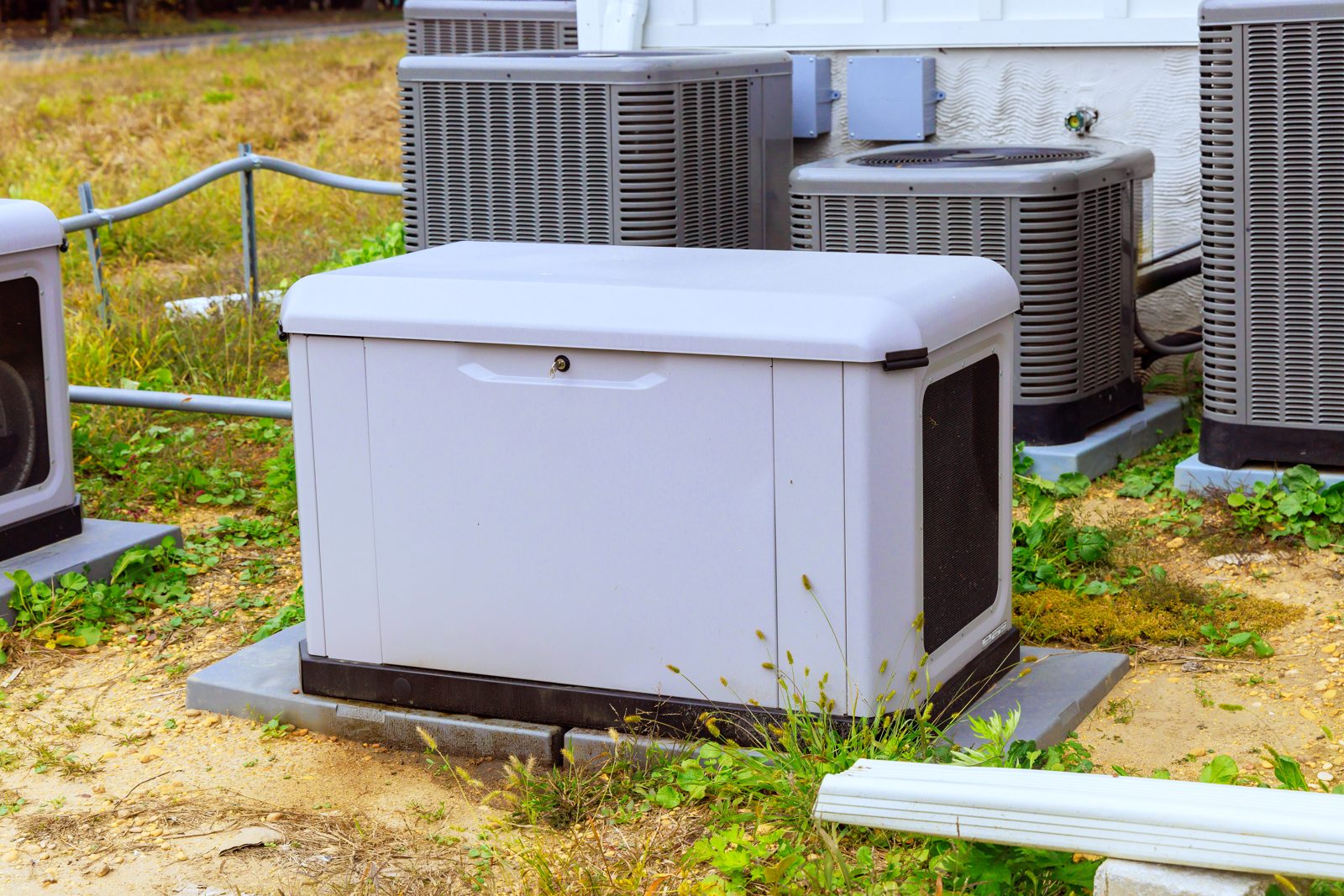
A standby generator is permanently installed outside, usually on a pad near the home, and connected to your electrical system and your fuel supply. When the power goes out, an automatic transfer switch detects it, starts the generator, and moves your home onto generator power, usually within seconds. When utility power comes back, it switches back and shuts down. You do not have to be home, and you do not have to do anything.
For homes with medical equipment, well pumps, sump pumps, or anyone who travels, that automatic behavior is the whole point.
How a standby generator system works
It helps to picture the system as four pieces working together.
The generator itself is an engine and alternator in a weather-resistant enclosure. It runs on natural gas or propane, and it exercises itself on a schedule, usually a short run each week, so it is ready when you need it.
The automatic transfer switch, often called an ATS, is the brain. It monitors utility power, starts the generator when power drops, and safely disconnects your home from the utility lines while the generator is running. That disconnection is critical, because it prevents power from flowing backward onto the grid and endangering utility workers.
The fuel supply is either your natural gas line or a propane tank. Natural gas gives you an essentially unlimited supply as long as the gas utility is working. Propane requires a tank sized for the runtime you want.
The electrical connection ties the generator into your electrical panel, either powering the entire panel or a selected set of circuits. This is where the quality of the electrical work really shows.
Whole house or selected circuits?
One of the first decisions is how much of your home you want to keep running.
Whole house coverage
A whole house setup powers everything, including central air conditioning, electric ovens, and every outlet. It is the closest thing to not noticing an outage at all. It requires a larger generator and usually a bigger investment.
Essential circuits
Many homeowners choose to power only what matters most during an outage: the furnace, refrigerator and freezer, lights, sump pump, garage door opener, internet equipment, a few outlets, and sometimes the water heater. A smaller generator can handle this, and it often makes the most sense in a Colorado Springs home where heating is the priority and air conditioning is a lighter load.
A good electrician will walk through your home, review your panel, and help you decide which circuits matter in a long outage and which ones can wait.
Sizing a generator for a Colorado Springs home
Sizing is where many generator projects go wrong, in both directions. A unit that is too small trips under load. A unit that is much larger than needed costs more and burns more fuel than necessary.
Sizing starts with a load calculation. That means adding up the running watts of the things you want to power, and then accounting for starting surge. Motors, like the ones in furnace blowers, well pumps, refrigerators, and air conditioners, draw much more power for a moment when they start than when they run. A properly sized generator handles that surge without bogging down.
Home generators commonly range from around 10 kilowatts for essential circuits up to 20 kilowatts or more for larger whole house systems. Your needs may be below or above that, depending on square footage, heating and cooling equipment, electric appliances, and what you want running together.
Altitude matters here
Colorado Springs sits at roughly 6,000 feet. Thinner air means an engine has less oxygen to burn, and that reduces the power it can produce. Manufacturers publish derating guidance for elevation, and a common rule of thumb is a few percent of output lost for every thousand feet above a baseline. At our elevation, that adds up.
In practical terms, a generator that is rated for a certain output at sea level may deliver noticeably less in the Springs. Make sure your installer accounts for altitude when sizing, and ask to see how they did it. This is one of the best questions to ask when comparing quotes.
Cold weather
Our winters are tough on equipment. Standby generators designed for cold climates may have cold weather kits, with battery warmers and engine block heaters, that help them start reliably in freezing temperatures. These are worth asking about, especially if you are in a part of the region that sees deep cold.
Natural gas or propane?
Both work well, and the right choice depends on your property.
Natural gas is convenient if your home already has gas service. There is no tank to fill, and the supply is continuous. The gas line must be sized to deliver enough fuel for the generator on top of your other gas appliances, so the gas installation is part of the planning.
Propane is the answer for homes without natural gas service, including many properties on the edge of town. A tank stores fuel on site, so your runtime depends on tank size and how hard the generator is working. Propane keeps well, but you do need to keep the tank filled and monitored.
Your electrician and gas provider or fuel supplier will coordinate on this part. A licensed professional should handle gas line work, and it is another reason to choose a team that can coordinate the whole installation.
Why installation is an electrical job
It can be tempting to look at the price of a generator and consider doing the work yourself. We strongly recommend against it. A standby generator ties directly into your home’s electrical system, and mistakes can hurt people and property.
The transfer switch must be installed so that your home is never connected to the utility and the generator at the same time. Wiring must be sized properly for the load. Grounding and bonding must follow code. The generator must be placed at the right distance from windows, doors, vents, and property lines, because exhaust and noise matter. Placement also has to account for snow, so the unit does not get buried or blocked.
Permits are part of the job. In the Colorado Springs area, electrical and mechanical work is typically permitted and inspected through the Pikes Peak Regional Building Department, and the exact requirements depend on the project and location. Permitted, inspected work protects you, and it matters if you sell the house or file an insurance claim later.
Our generator installation and service team handles the electrical side, and a qualified electrician is the right person to review whether your panel can support the setup. If your panel is older or crowded, an upgrade may come up in the conversation. Our page on electrical panels explains when that makes sense.
What about a transfer switch for a portable generator?
If a standby system is outside your budget, there is a safer middle path. A manual transfer switch or interlock kit, installed by an electrician, lets you connect a portable generator to your home’s panel without running cords through a window or using a dangerous homemade cable that backfeeds the house. You still have to roll out the generator and start it yourself, but you can power selected circuits safely.
Never plug a generator into a wall outlet using a double-ended cord. This practice, called backfeeding, can send power out to the utility lines and seriously injure line workers, and it can damage your home’s wiring and the generator. If a generator is going to connect to your panel, it needs the right equipment.
Maintenance: keep it ready for the day you need it
A generator that sits for months and then fails on the coldest night of the year helps nobody. Regular care keeps it dependable.
Most standby units run a short self-test each week and need periodic service, including oil and filter changes, spark plug checks, battery testing, and a look at the enclosure and connections. Annual service is a good habit, ideally in early fall before the heating season. Keep the area around the unit clear of snow, leaves, and stored items so air can flow, and make sure the vents and exhaust are never blocked.
If you use propane, check your tank level before winter and again during long cold spells. If you use a battery-backed system, test it, because a weak battery is one of the most common reasons a generator will not start.
Protecting the rest of your home during outages
A generator is one piece of a larger plan. When power drops and returns, voltage spikes can damage electronics and appliances, so a whole house surge protector is a smart companion to a generator. Frozen pipes are a risk when heat is out, and our guide on preventing frozen pipes has practical steps. And keep your heating system ready by scheduling a regular furnace tune up before winter, since a generator can only help if the equipment it is powering is healthy.
For outages that catch you off guard, our emergency electrical services are there when something goes wrong with your power at home.
Is a standby generator worth it for your home?
Only you can answer that, but a few questions help. How often does your neighborhood lose power, and for how long? Do you have anyone at home who depends on electric medical equipment? Do you rely on a well pump or sump pump? How quickly does your home lose heat when the furnace stops? Do you travel often, leaving the house unattended in winter? Do you work from home, with internet and power critical to your income?
If several of those answers point toward a lot of risk, a generator can be a very reasonable investment. If outages are rare and short in your area, a smaller solution may be enough. Either way, it helps to talk through the options with someone who has installed these systems in Colorado homes.
Frequently asked questions
How long does a standby generator take to turn on after a power outage?
Most systems with an automatic transfer switch detect the outage and start the generator within a few seconds, and then transfer your home onto generator power. You may notice a brief flicker or short interruption before power returns.
What size generator do I need for my Colorado Springs home?
It depends on your home size, appliances, and what you want to run during an outage. Essential circuit systems commonly start around 10 kilowatts, while larger whole house systems can reach 20 kilowatts or more. Because Colorado Springs sits at about 6,000 feet, engine output is reduced, so sizing should account for altitude.
Can a standby generator run on natural gas?
Yes. Many standby generators run on natural gas or propane. Natural gas offers a continuous supply if your home has gas service, while propane works well for homes without a gas line, provided the tank is large enough and kept filled.
Do I need a permit to install a standby generator?
Generator installations typically involve electrical, and often gas, permits and inspections. Requirements vary by project and location, so a licensed electrician can confirm what applies to your home and handle the permit process.
If you are thinking about backup power, the team at WireNut is happy to take a look at your home, talk through your options, and give you honest advice about what fits. Learn more about our generator services, or call (719) 227-1411 to get on the schedule before the next big storm.