See our current specials →

Water Heater Maintenance in Colorado Springs: Flushing, Sediment, and When to Replace
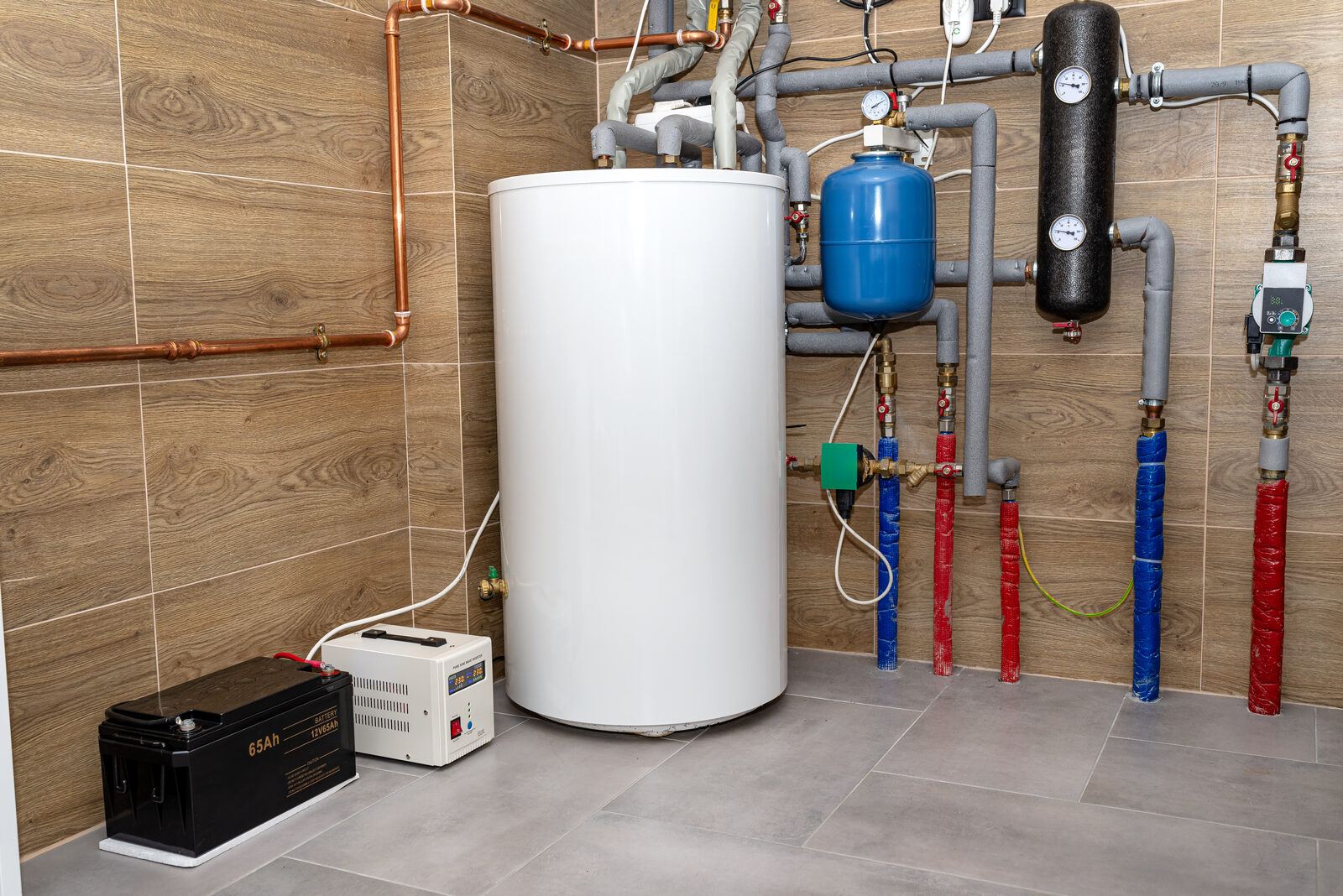
Your water heater is one of those appliances you never think about until the shower goes cold. It sits in a closet or the basement, quietly doing its job for years, and then one morning it is leaking across the floor or making a sound like popcorn in a pot. The frustrating part is that a lot of those failures can be slowed down, or at least seen coming, with a little regular care.
Colorado makes that care more important. Our water carries a lot of minerals, our winters are hard on plumbing, and many homes in the Colorado Springs area have water heaters that have been running quietly for a decade or longer. This guide covers what actually happens inside your tank, what routine maintenance makes a difference, the warning signs worth paying attention to, and how to decide between a repair and a replacement.
What is happening inside your water heater
A tank water heater is simple on the outside and a bit harsher on the inside. Cold water enters the tank, a gas burner or electric heating elements warm it, and the hot water is stored until you need it. That means the same water sits in the tank, heating and cooling, hour after hour.
Dissolved minerals such as calcium and magnesium do not stay dissolved when water gets hot. They separate out and settle at the bottom of the tank as sediment. Over months and years, that layer builds up. In a gas heater, the burner has to heat the tank through a layer of crusty sediment, which wastes fuel and can overheat the metal. In an electric heater, sediment can cover the lower element and force it to work harder until it burns out.
The tank also has a built in defense against rust, a metal rod called an anode rod. It is made of a metal that corrodes more easily than steel, so it sacrifices itself instead of letting the tank lining rust through. Once that rod is used up, the tank itself becomes the next thing to corrode.
Those two things, sediment and the anode rod, explain most of what goes wrong with an aging water heater.
Why Colorado homes need to pay extra attention
Hard water is a fact of life along the Front Range, and it shows up everywhere from spotty glasses to scale on shower heads. We wrote about how it affects your pipes in why your drains keep clogging and what Colorado’s hard water has to do with it, and your water heater feels the same effects. More minerals in the water means faster sediment buildup in the tank.
Cold weather adds another layer. Water heaters in unheated garages, crawl spaces, or exterior closets have to work harder in winter because the surrounding air is cold. Add in a long, cold snap, and you have a system that is under real strain right when you need it most. If you want to protect the rest of your plumbing during the cold months, our tips on how to prevent frozen pipes this winter are worth a read.
Many homes around Colorado Springs are also older, which means original or early replacement water heaters, mixed pipe materials, and shutoff valves that have not been turned in years. None of that is a problem on its own. It just means a little attention goes a long way.
Routine maintenance that actually makes a difference
You do not need to babysit your water heater. A few simple habits, done on a schedule, cover most of what matters.
Flush the tank once a year
Flushing means draining some or all of the water from the tank so the sediment goes out with it. Done yearly, it keeps the bottom of the tank clear, helps the unit heat more efficiently, and cuts down on the rumbling and popping noises that come from steam bubbles forming under a layer of scale. If you have never flushed your tank and it is more than a few years old, it is worth having a plumber do the first one, since heavy sediment can clog the drain valve and make the job messy.
Check the temperature and pressure relief valve
The temperature and pressure relief valve, usually called the T and P valve, is a safety device on the side or top of the tank. Its job is to release water if the temperature or pressure inside gets too high. A technician can test it during a routine visit. If it is leaking, corroded, or stuck, it should be replaced, because a valve that cannot do its job is a real safety risk.
Inspect the anode rod every few years
A plumber can check the anode rod and replace it if it is mostly eaten away. Swapping a worn rod costs far less than replacing a tank that has started to rust from the inside, and it can add years to the life of the heater. This is one of the most overlooked maintenance items, and it is easy to skip because you cannot see it.
Look at the temperature setting
Many experts suggest setting the water heater to around 120 degrees Fahrenheit. That is warm enough for normal use, reduces scald risk, and saves energy. If your tank is set much higher, turning it down can cut your energy use without anyone noticing a difference in the shower.
Check around the base and connections
Every few months, take a quick look at the floor around the heater and at the pipe connections on top. Rust streaks, dampness, mineral crust, or a drip are all early warnings. A small drip from a fitting is often fixable. Water coming from the tank itself is a different story.
Make sure there is clear space and good ventilation
Gas water heaters need air for combustion and a clear vent to carry exhaust outside. Keep storage boxes, paint cans, and anything flammable away from the heater, and keep the area around the burner free of lint and dust. If the vent pipe looks loose, rusted, or discolored, call a professional right away.
Warning signs your water heater is struggling
Water heaters rarely fail without hinting first. Here is what to listen and look for.
- Popping, rumbling, or banging sounds from the tank, which usually means sediment is trapped under the water and boiling
- Rusty or brown tinted hot water, which can point to corrosion inside the tank
- Hot water that runs out faster than it used to, or never gets quite hot enough
- Water that is too hot or fluctuates unexpectedly
- A leak or puddle around the base of the heater
- A pilot light that keeps going out, a yellow or flickering burner flame, or a smell of gas
- Higher energy bills with no change in how much hot water you use
If you ever smell gas, leave the house and call your gas utility and emergency services from outside. Do not turn on lights or try to relight anything. That is the one sign that should never wait for a regular appointment.
For anything else on that list, call a licensed plumber and book a visit. Small issues often get cheaper to fix when they are caught early, and they give you time to plan instead of scrambling after a failure.
Repair or replace? How to decide
This is the question we hear most. The honest answer depends on a few things.
When a repair makes sense
Repairs often make sense when the heater is relatively young and the problem is a single part. A bad thermostat, a worn heating element, a faulty thermocouple, a failed T and P valve, or a leaking fitting can all be fixed without replacing the whole tank. If the unit is under about eight years old and otherwise healthy, a repair is usually the smarter move.
When replacement is the better call
Replacement is usually the better path when the tank itself is leaking, because there is no good repair for a tank that has rusted through. It also makes sense when the heater is ten or more years old and needing repeated service, when it is no longer keeping up with your household, or when your energy bills have been creeping up. A newer unit is often more efficient, and putting money into an old one can feel like paying for the same problem twice.
If you are weighing your options, our post on the benefits of a new water heater walks through what upgrading can look like, including different types of systems.
What about tankless water heaters?
Tankless units heat water on demand instead of storing it, so there is no tank to rust through or fill with sediment in the same way. They can be a good fit for some households, and they often last longer than tank models. But they are not maintenance free. Hard water leaves scale inside the heat exchanger of a tankless unit, and that scale needs to be flushed out periodically with a descaling process. In Colorado, skipping that step can shorten the life of an expensive unit.
Whether you have a tank or tankless system, the principle is the same. Regular care keeps small issues from turning into big ones.
Safety notes every homeowner should know
- Never remove the T and P valve or plug its discharge pipe
- Do not store flammable liquids near a gas water heater
- Leave repairs involving gas lines, venting, or high voltage wiring to licensed professionals
- If you see signs of carbon monoxide risk, such as soot around the vent or a scorched look near the burner, stop using the heater and call a pro
- Know where the cold water shutoff valve is, so you can stop a leak quickly
It is also smart to know where your main water shutoff is. If a tank starts leaking heavily, shutting off the water supply to the heater buys you time. Our guide to caring for your plumbing system covers other habits that help prevent surprises.
Let someone else keep an eye on it
Most homeowners do not want to put a water heater flush on their calendar. If that sounds like you, an annual inspection is an easy way to make it happen. Our Ultimate Protection Plan includes annual inspections and member perks, so someone qualified is looking at your home’s systems every year instead of waiting for something to break.
When we visit, we give you upfront pricing before we start, call ahead 30 minutes before we arrive, and back our work with a lifetime workmanship guarantee. If we find an issue, you will know what it is, why it matters, and what your options are, with no pressure.
Frequently asked questions
How often should I flush my water heater in Colorado?
Most manufacturers recommend flushing a tank water heater once a year. In areas with hard water, like much of Colorado, many homeowners do better with a flush every six to twelve months, especially if they hear popping or rumbling from the tank.
How long does a tank water heater last?
Most tank water heaters last somewhere around eight to twelve years, depending on the water quality, how well the tank has been maintained, and how hard the unit works. Regular flushing and anode rod checks can help you reach the longer end of that range.
What temperature should my water heater be set to?
Many experts recommend 120 degrees Fahrenheit for most homes. It is hot enough for everyday use, helps reduce the risk of scalding, and uses less energy than a higher setting. Households with specific health concerns may want to talk with a plumber about the right setting.
Is it worth repairing an older water heater?
It depends on the age and the problem. A failed thermostat or heating element on a newer tank is usually worth fixing. A leak from the tank itself, or repeated repairs on a unit that is ten years old or more, usually points toward replacement.
Can I drain and flush my water heater myself?
Many homeowners can, but it involves hot water, a heavy appliance, and either gas or high voltage electricity. If you are not comfortable with it, or if the drain valve is stuck or clogged with sediment, it is safer to have a licensed plumber handle it.
Ready to get your water heater checked?
Whether your tank is making strange noises, your hot water is not what it used to be, or you simply have never had it looked at, we are happy to help. Schedule service online or call WireNut at 719-466-8529, and a technician will take a look, explain what they find, and help you decide what makes sense for your home.